


Compressed Air Filter Micron Rating: The Cost of Guessing
A 5-micron filter where a 1-micron filter belongs lets dust, water, and oil aerosol reach valves, cylinders, and paint lines. The failure is rarely a loud alarm. It is shortened tool life, rejected parts, and unplanned downtime. If you choose the wrong compressed air filter micron rating, you pay for it in maintenance hours and wasted compressed air.
What a Micron Rating Actually Means
A micron is one thousandth of a millimeter. A 1-micron filter catches particles far smaller than the naked eye can see. Industrial compressed air systems usually work in stages: 5, 3, 1, and 0.01 microns, with each stage removing a different contaminant.
One common mistake is treating a 1-micron rating as a guarantee of oil-free air. Particle filters remove solid matter, but they do not stop oil vapor or aerosol. Oil is captured by coalescing media, which is why oil-removal filters carry their own submicron rating.
The filter rating alone is not enough. You also need to know what is in the airstream: dry dust, free water, oil aerosol, or all three. That is why the right answer is a chain of filters, not one superfine element.
3 Micron, 1 Micron, or 0.01 Micron: Match the Job
Panrui’s standard air station runs a 3-micron initial filter to remove oil and dust, then a 1-micron precision filter after the dryer. That staged design protects both the dryer and the equipment downstream.
- 5 micron: coarse protection for dirty intake air, hand tools, and blow-off lines.
- 3 micron: first-stage oil and dust removal ahead of a refrigerated dryer.
- 1 micron: precision filtration after the dryer for valves, cylinders, and paint prep.
- 0.01 micron: coalescing filtration for oil aerosol in food, pharma, electronics, and laser cutting.
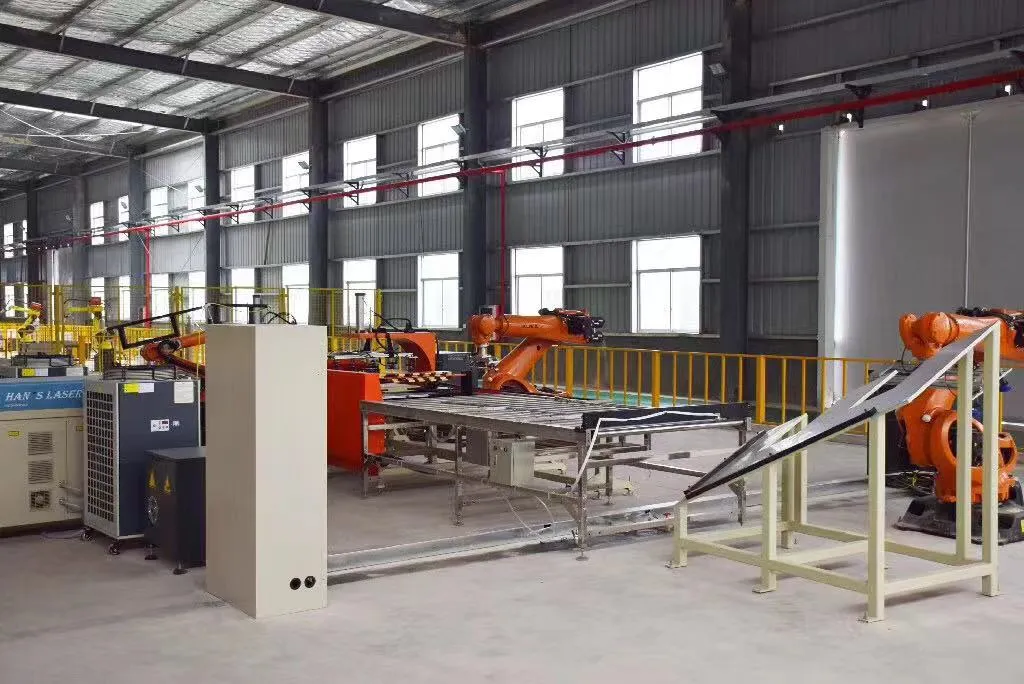
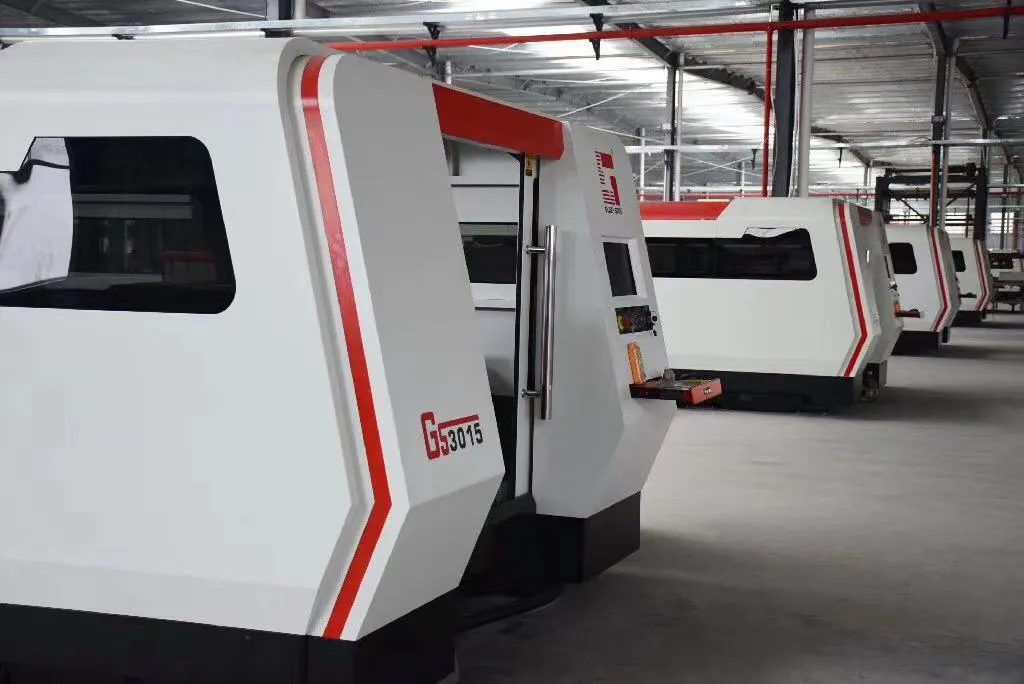
A fiber laser cutter is a good test case. The assist gas passes through a tiny nozzle gap, so oil and moisture shorten lens and nozzle life. For that application, a 0.01-micron coalescing filter after the dryer is the safe minimum. See the laser cutting screw air compressor page for the full air-quality chain.
Dry the Air Before You Polish It
Moisture overloads fine filter elements. Run the refrigerated dryer before the precision filter. Panrui station layouts place the dryer between the 3-micron and 1-micron filters, with an optional adsorption dryer reaching a −20 °C to −40 °C pressure dew point for dry, clean downstream air.
Why Pressure Drop Is the Real Expense
Filtration is never free. A clogged or undersized element creates pressure drop, and the compressor must work harder to make up the loss. A well-designed folded filter keeps initial differential pressure near 0.02 bar, which reduces wasted energy without sacrificing particle capture.
Track pressure drop with a gauge, not a calendar. When differential pressure climbs past the maker’s limit, replace the element. Waiting too long turns a cheap filter into an expensive energy bill.
FAQ: Is a Finer Filter Always Better?
No. A 0.01-micron filter is built for oil aerosol, not bulk water or heavy dust. Without a 1-micron prefilter ahead of it, the fine element clogs quickly and the pressure drop spikes. The result is higher energy cost and more frequent replacements, not cleaner air.
For general plant air, a 3-micron and 1-micron pair is usually enough. Add a 0.01-micron stage only where the process, food-safety, or pharmaceutical standard demands it.
Size the Filter Chain Around the Job
Clean compressed air starts before compression. Panrui fits the intake side with a magnetic screen and a Donaldson air filter, so metal dust and ambient particles are caught before they reach the airend. That upstream protection makes the downstream filter stages last longer.
Your compressed air filter micron rating should follow the process, not a catalogue default. Start with the full system: compressor, receiver, dryer, and filter stages. The rotary screw air compressor guide will help you see where the filter fits.
Send us your pressure, flow, and process requirement through the contact page, and we will match the filter stages to your tools and air-quality target.