

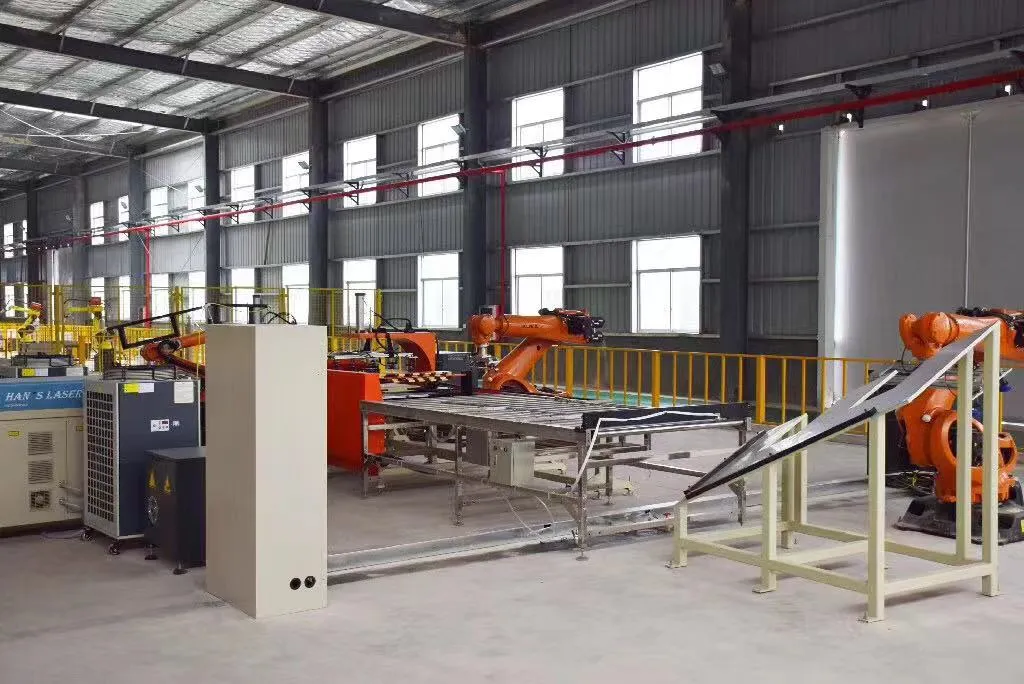
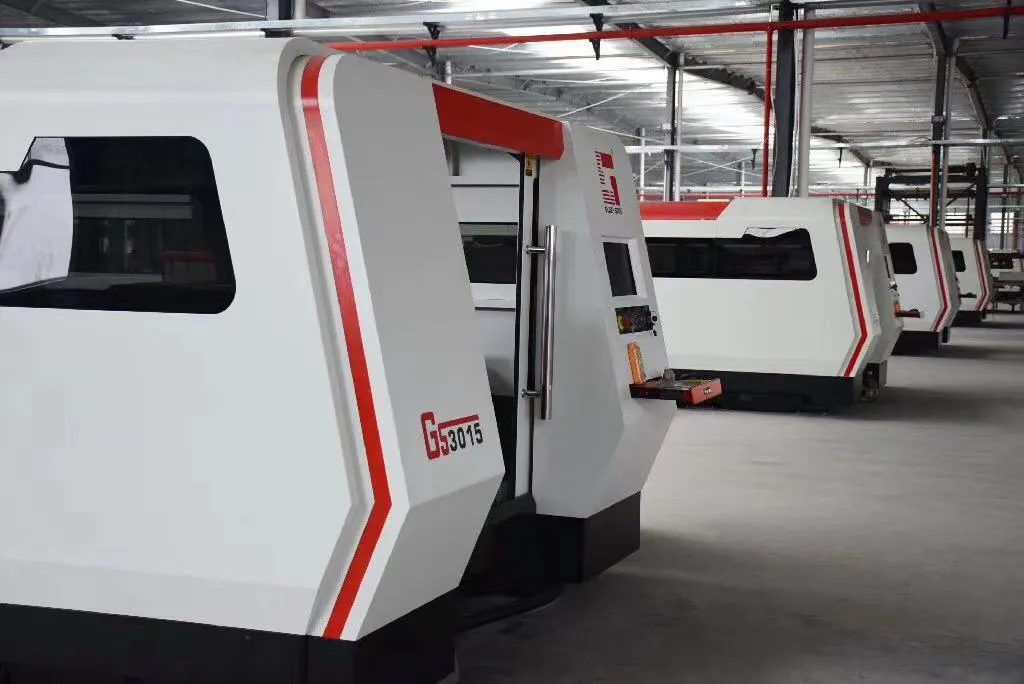

Buying an oversized-pressure air compressor means paying for pressure you never use. In many plants, every 1 kg/cm² of extra discharge pressure adds roughly 8% to compressor energy consumption, so a 10-bar unit doing an 8-bar job wastes power on every run. This screw compressor pressure selection guide shows how to match pressure to real demand before you commit.
Pressure is not a bigger-is-better setting. A rotary screw compressor rated at 7, 8, 10, or 13 bar only needs to overcome three numbers: the highest pressure required by any tool or process, distribution-line pressure drop, and a small safety margin. The right target is usually about 1 bar above actual demand, not 3 or 5 bar above it. Start with the range in our rotary screw air compressor guide before comparing pressure ratings.
Why Screw Compressor Pressure Selection Changes Your Energy Bill
Panrui’s local energy-saving calculations make the cost visible: a pressure difference of 1 kg/cm² changes energy consumption by roughly 8 percentage points. On a 75 kW compressor running 6,000 hours per year, that single unnecessary bar adds about 36,000 kWh of avoidable electricity use per year.
Oversizing pressure also stresses the airend, seals, filters, and piping. The compressor works harder to maintain a higher pressure band, and any downstream leak releases more energy because the line is pressurized to an unnecessarily high level.
Start With Actual End-Use Pressure
Do not choose pressure from a competitor’s brochure. Walk the plant and record the highest working pressure that must be held at the point of use:
- Pneumatic tools and packaging lines commonly need 6.2 to 7.0 bar.
- Laser cutting, PET blow molding, and heavy cleaning can require 10 bar, 13 bar, or higher.
- Add measured pressure drop across dryers, filters, and pipe bends before selecting the machine rating.
How to Choose Among 7, 8, 10, and 13 Bar
7 bar: Use it for light general manufacturing when the highest tool demand is around 6 bar and distribution pressure drop is controlled.
8 bar: This is the most common rotary screw rating for general plants. Panrui’s RSS horizontal two-stage permanent-magnet models list 0.8 MPa (8 bar), with rated flow from 1.2 m³/min on the 7.5 kW unit up to 15 m³/min on the 75 kW unit.
10 bar: Choose 10 bar when equipment or backpressure needs a stable 8.5 to 9 bar supply. Do not use it to hide a badly designed pipe network.
13 bar: Reserve 13 bar for genuinely high-pressure applications such as PET bottle blowing, specialized testing, or heavy-duty cleaning.
Quick Check: 8 Bar vs 10 Bar
Choose 8 bar for general workshops where most tools run at 6.5 to 7 bar and pressure drop is below 1 bar. Choose 10 bar only when a specific process must hold 8.5 to 9 bar at the point of use, or when site altitude and long pipe runs create measurable backpressure. This single choice changes both purchase price and long-run electricity cost.
Do not raise pressure to compensate for leaks or undersized pipe. The same leak discharges more air at 10 bar than at 7 bar, and the compressor pays for that lost volume every minute. Fix the leak, size the pipe correctly, and then keep the machine as close as possible to the required operating band.
Objection: Won’t Higher Pressure Protect Me Later?
Higher pressure is not free insurance. You pay roughly 8% more energy for every extra bar and increase wear on the airend and air treatment equipment. If demand fluctuates, a variable-speed screw air compressor is a better way to preserve capacity without running a permanently elevated pressure band.
Conclusion: Match Pressure to the Job
Screw compressor pressure selection is an energy decision, not just a sizing decision. Record the maximum end-use pressure, add measured pressure drop plus a one-bar margin, and then select the 7, 8, 10, or 13 bar machine that fits that number. Buying the correct band can remove an 8% energy penalty from every shift. For help matching a unit to your plant, contact the Panrui team.