

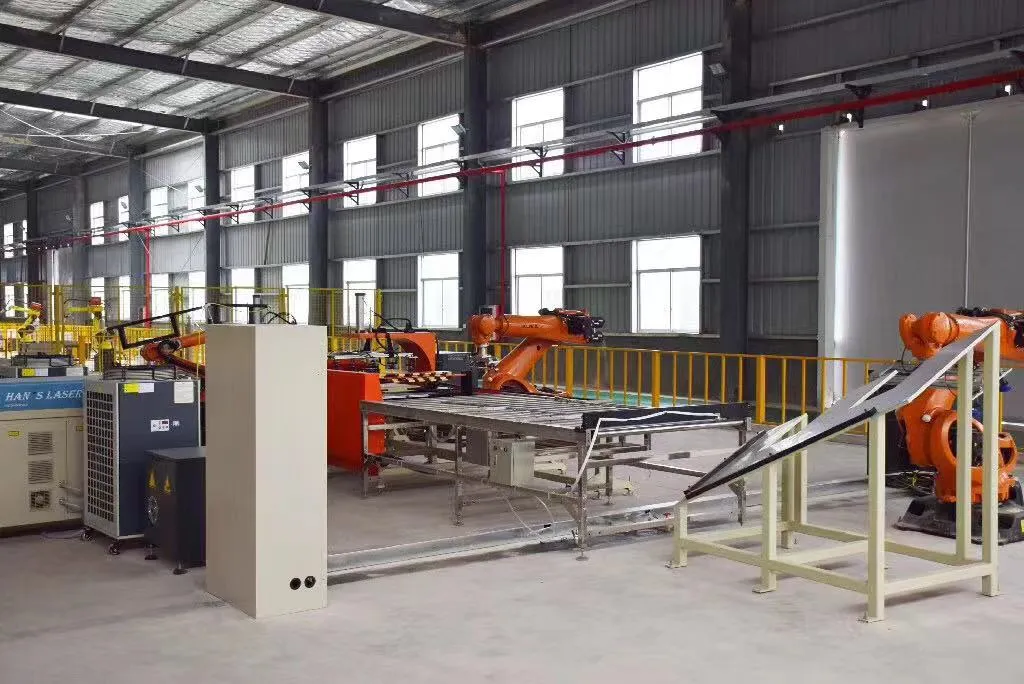
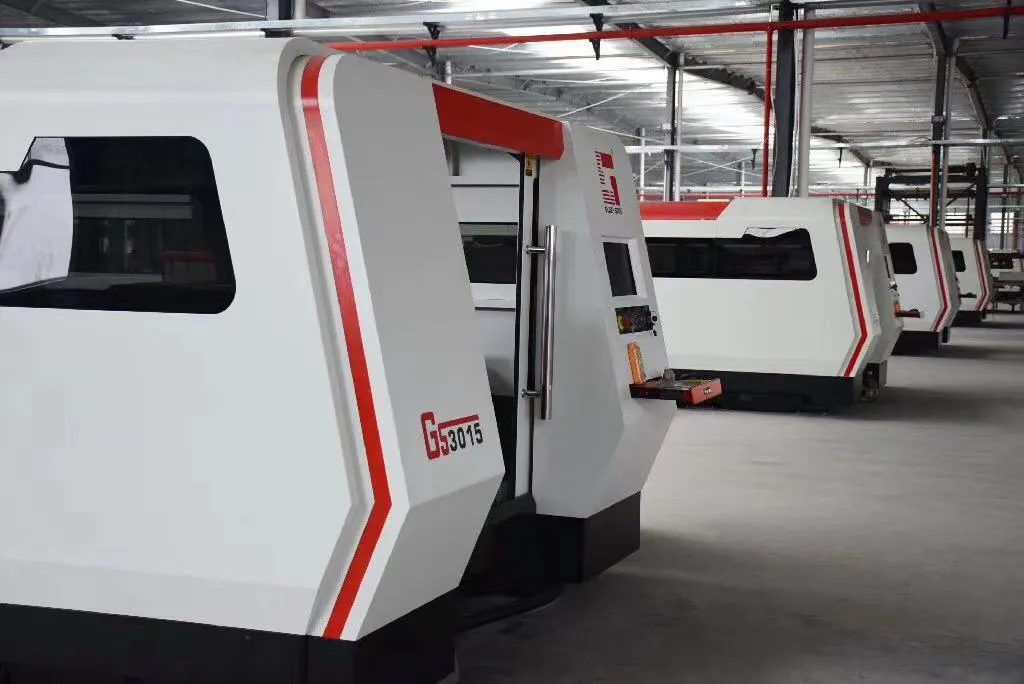

Black steel pipe looks like the cheap option — until rust scale from inside the walls plugs a tool nozzle and stops a $40,000 production line. The aluminum vs steel compressed air pipe question is not really about pipe price; it is about total installed cost and the air quality your tools receive. Aluminum weighs about one-third as much as steel, installs without welding, and will not rust into your air.
Every compressed air system carries moisture, and every steel pipe is an internal rust factory waiting for it. Scale and corrosion flake off, travel downstream, and plug filters, tools, and nozzles. In paint shops, food plants, and laser cutting, that contamination shows up as rejects and downtime — costs that never appear on the pipe invoice.
Aluminum vs Steel Compressed Air Pipe: Side-by-Side
- Weight: aluminum is roughly one-third the weight of steel, so it is easier to handle, support, and modify overhead.
- Corrosion: aluminum’s oxide layer protects the bore; steel rusts from internal moisture unless the bore is treated and maintained.
- Installation: aluminum push-fit fittings join without welding or threading — typically two to three times faster to install than welded steel.
- Pressure drop: aluminum’s smooth bore stays smooth; rusted steel grows rough and adds friction over time.
- Flexibility: aluminum systems are modular — add a take-off or extend a line with standard fittings, often without shutting down.
- Cost: steel is cheaper per meter, but installed cost is often close because aluminum labor is far lower.
Where Steel Still Makes Sense
Steel remains a reasonable choice where lines must survive external mechanical abuse, very high temperatures, or where the plant already has welding and threading capability in-house. If you choose steel, use a properly treated internal bore and plan for moisture control — a dryer and drains — or the corrosion problem is a matter of when, not if. One common mistake is galvanized pipe: its zinc coating flakes off in compressed air service and can be worse for tools than plain rust.
Where Aluminum Wins
- Food, pharma, and electronics plants where contamination risk is unacceptable.
- Laser cutting operations, where oil and rust particles directly damage optics and cut quality.
- Plants that expand or reconfigure production lines every few years.
- Retrofits in occupied buildings, where hot-work permits for welding are hard to obtain.
What the Decision Actually Costs
Compare installed cost, not material cost. A 100-meter steel header means welding, threading, and coating time; an aluminum equivalent assembles with push-fit fittings in a fraction of the time. Because aluminum stays smooth and rust-free, it also holds its low pressure drop for decades — avoiding the roughly 0.5–1% per 1 psi energy penalty that rough, corroded pipe keeps adding.
FAQ: Common Objections
Isn’t aluminum too soft for a factory? Compressed air piping systems are engineered from aluminum alloys made for exactly this service, at pressures above what a standard industrial plant runs. The risk is not the material — it is installing a system rated below your compressor’s maximum pressure, so check component ratings before buying.
Do I need aluminum end-to-end? No. Many plants run aluminum headers with short steel drops where mechanical protection matters. The rule is to keep a protected, smooth-bore path from the dryer to the point of use.
Choose the Pipe That Protects the Air
For plants where air quality drives product quality — laser cutting, food, paint, electronics — aluminum usually pays for itself in avoided rejects alone. Review the full rotary screw air compressor range and our laser cutting compressor guide, then send your line layout to a Panrui engineer for a piping and filtration recommendation. The aluminum vs steel compressed air pipe choice comes down to pressure, moisture, and expansion plans — the pipe that keeps contamination out is the better investment over 20 years.