

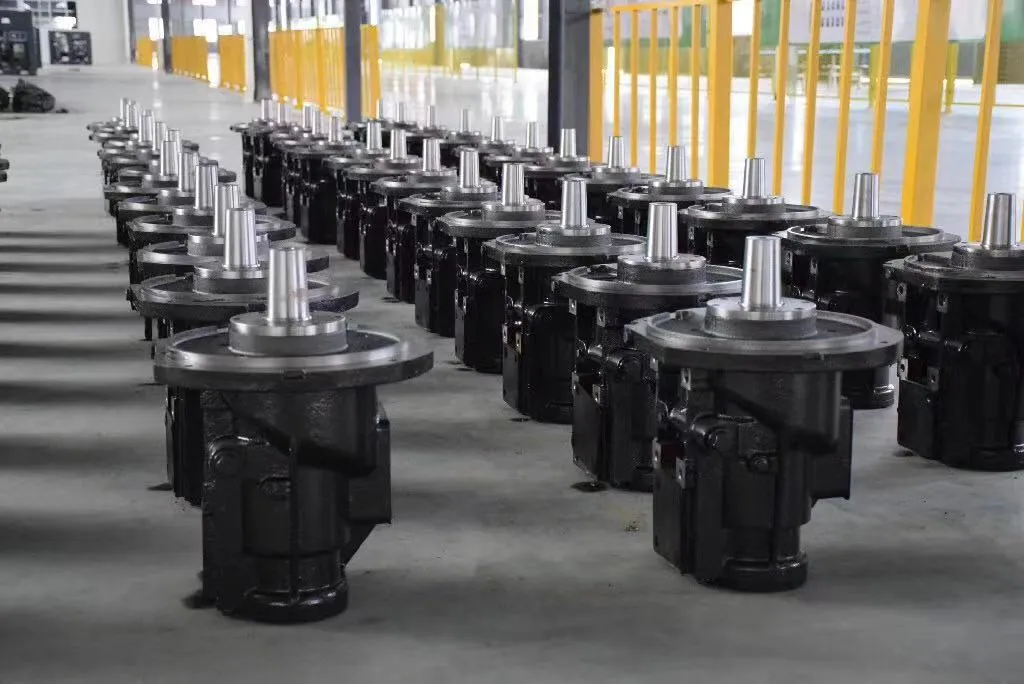
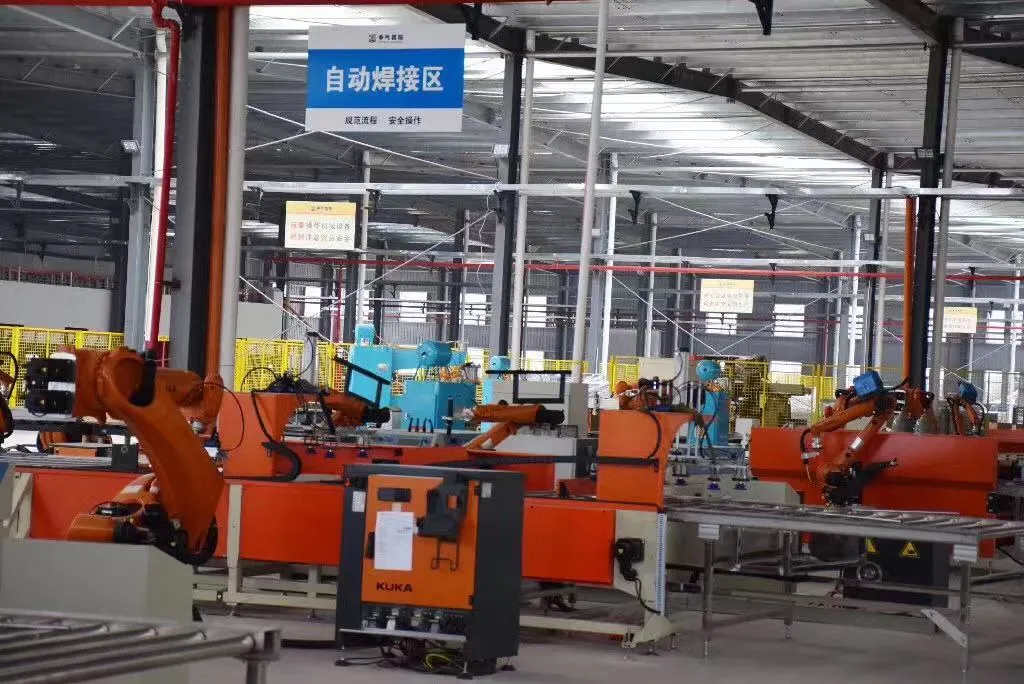
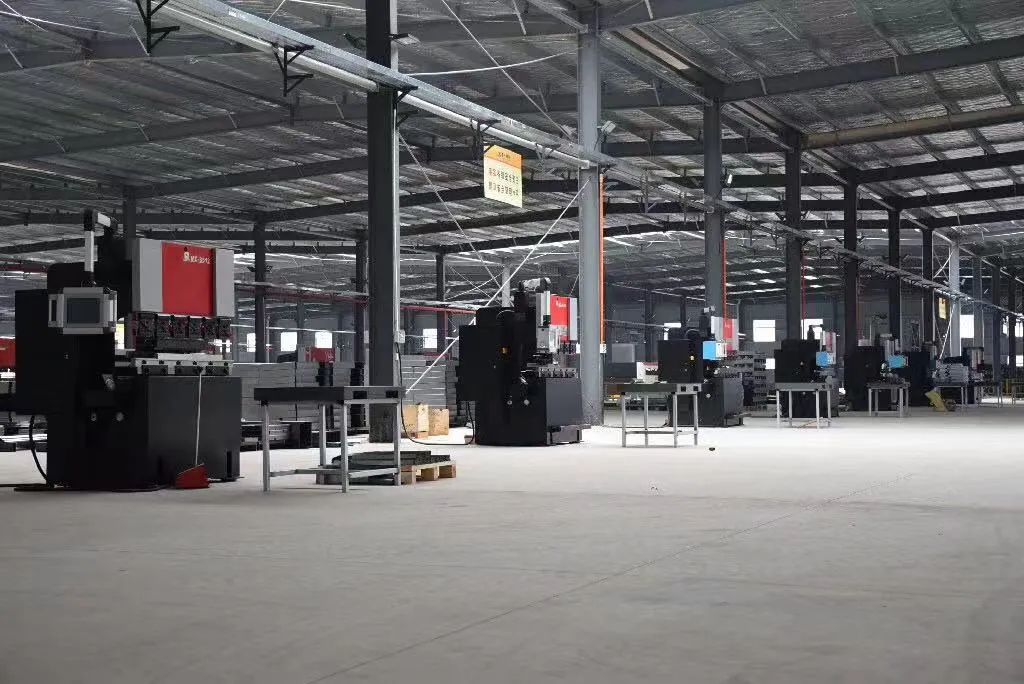
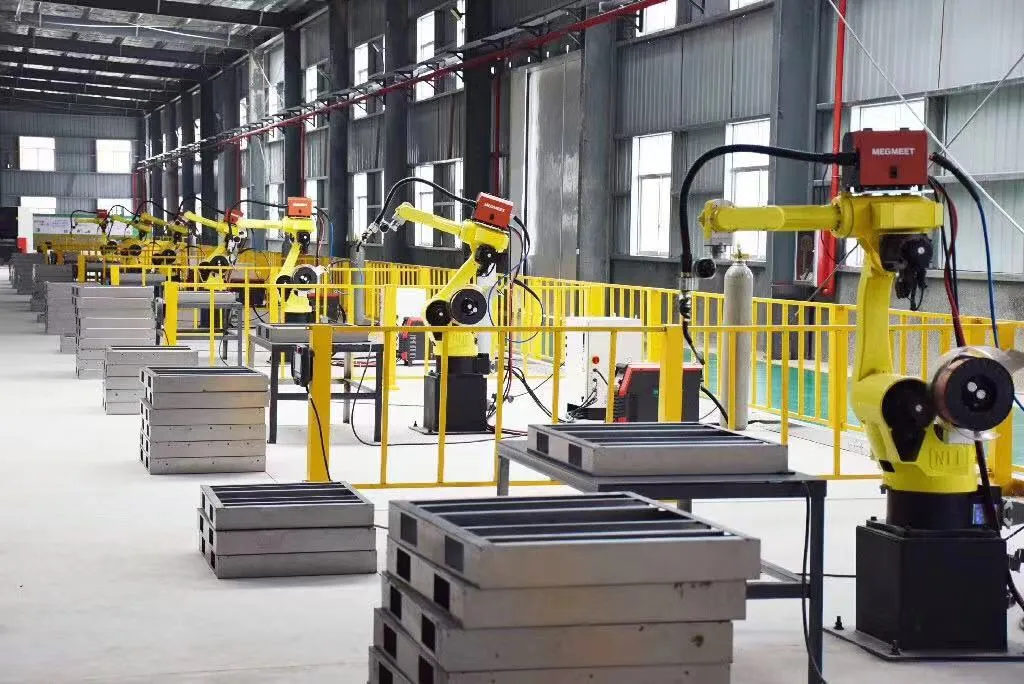
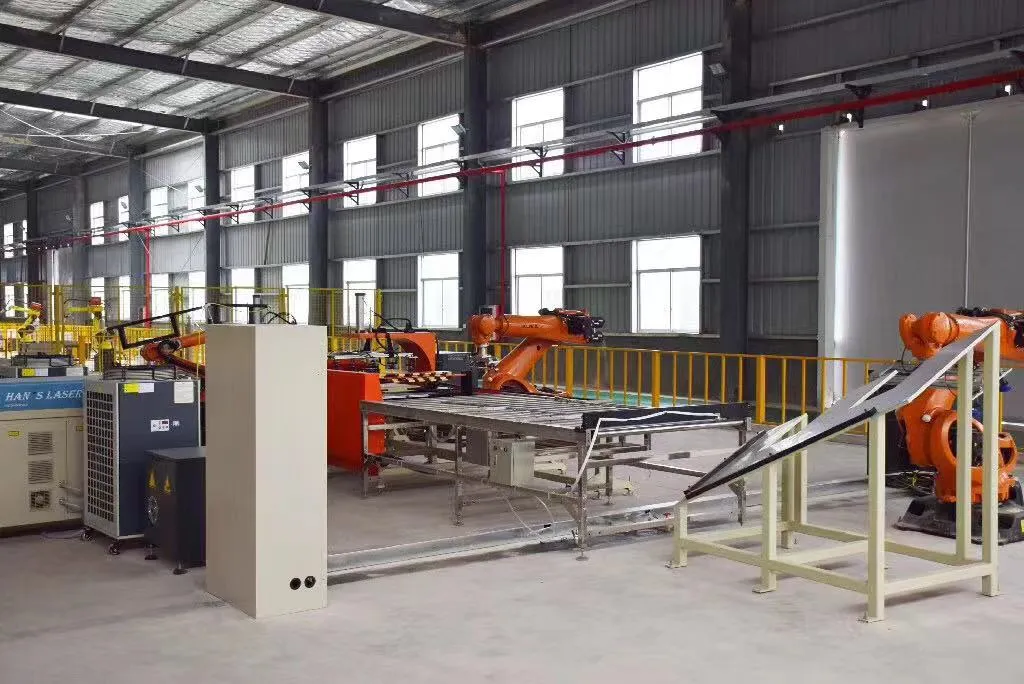
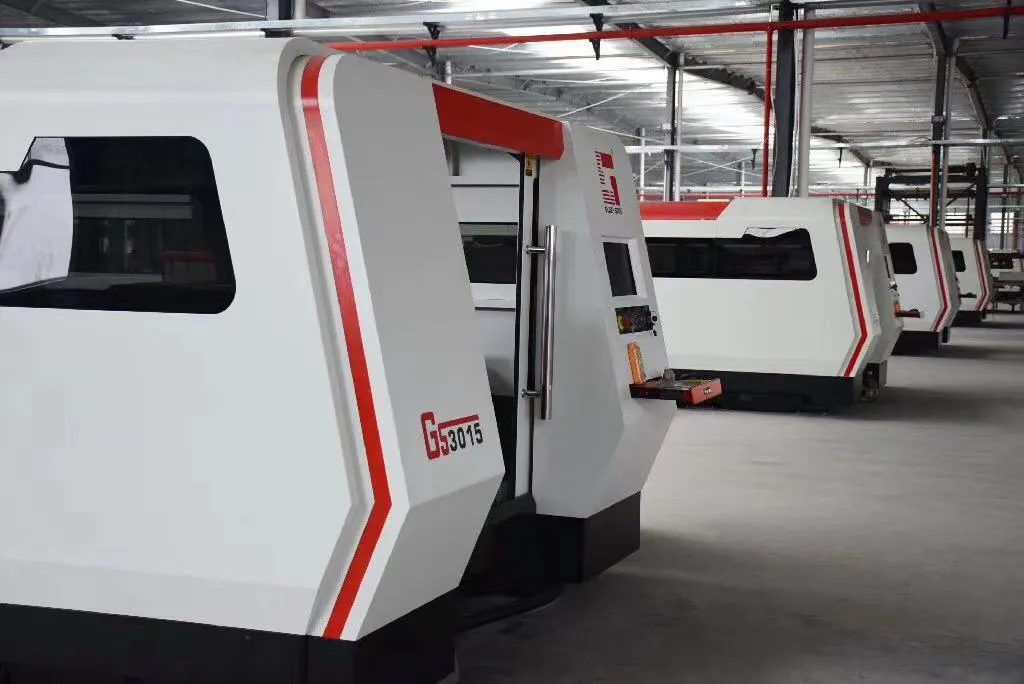

A screw compressor factory video inspection is the cheapest risk audit an importer can run before paying a deposit. A 30-minute live call exposes whether the supplier controls production or simply trades machines. If the tour skips the test bench, the component nameplates, or the warranty terms, treat that silence as a future cost.
What a Live Video Inspection Can and Cannot Verify
Video cannot replace an on-site audit, but it is enough to reject weak suppliers before you spend money on travel or samples. A live walkthrough shows real assembly flow, component brands, and test procedures. It cannot confirm long-term bearing life or internal air-end metallurgy. Pair every call with document checks and a written warranty instead of trusting the presentation.
The 30-Minute Factory Video Inspection Checklist
Ask the salesperson to hold the camera steady and follow your sequence. Do not accept a polished recording as a substitute. A real rotary screw air compressor factory can show every station you ask to see.
- Start at the gate and pan to the company sign, workshop bays, and any visible certification banners.
- Walk into incoming parts and show stocked airends, motors, VSDs, coolers, and filters.
- On the assembly line, point the camera at the airend nameplate, motor nameplate, VSD model, and serial number.
- At the test bench, run a live load test and read the current, pressure, airflow, and discharge temperature.
- Finish at the quality desk and confirm how the exact model you will buy is tracked by serial number.
Four Things a Low-Cost Factory Usually Hides
The savings in a cheap quote almost always sit where buyers do not look. Force the camera onto each of these points.
- Airend. Ask for the brand, model, and rated speed. On Panrui laser-cutting four-in-one units, the YNT60A airend runs near 3,000 rpm, while some low-cost competitors spin a smaller YNT55A close to 4,000 rpm to force output at the expense of noise and life.
- VSD. Confirm the variable-speed drive model and design life. Panrui’s upgraded machines use a Weikai VSD rated for a 5-year service life; many low-cost drives are treated as consumable after about one year.
- Bearings. Ask whether the airend uses a named bearing such as SKF. Generic or unbranded bearings are a red flag when the factory refuses to show the part.
- Warranty. Put the whole-machine coverage in writing. Panrui offers a 2-year whole-machine warranty, twice the one-year term still common in the market.
Energy Claims: Demand One Calculation on Camera
A saving percentage without a calculation is the fastest lie in compressor sourcing. Ask the supplier to run the audit formula live using your plant’s air demand, pressure, load factor, and electricity rate. In one local Panrui audit example, a 250 kW fixed-speed machine used 207.67 kW at 85.7% load, while the proposed 160 kW two-stage variable-speed screw air compressor used 154.43 kW. The difference was 53.24 kW per hour, or 1,277.76 kWh per day.
Those numbers explain why two-stage compression can save about 15% against a single-stage unit, while variable-speed control can add another 20% to 50% in the right duty cycle. If the supplier cannot reproduce the math on camera, do not accept the marketing chart.
Red Flags and Your Next Step
- The camera suddenly switches to slides or product renders when you ask for the line.
- The factory cannot show the exact model you are buying in production or on test.
- There is no serial number record, test report, or nameplate close-up.
- Pressure, airflow, and power readings are called confidential.
If those checks pass, you have a workable supplier. If they fail, you just avoided a machine that would cost more in downtime than the purchase saved. Before your next order, ask Panrui for a live factory walkthrough and a model-specific energy calculation. Use the contact page to request the video call and a written quotation with the warranty spelled out.