


A seized airend can erase months of compressed-air savings. The warning usually appears in the lubricant long before it shows up as noise, heat, or vibration. Screw air compressor oil analysis turns that early warning into a scheduled repair instead of an emergency rebuild.
Why Oil Analysis Is Cheaper Than an Airend Rebuild
Compressor oil does three jobs at once: it lubricates the rotors and bearings, seals the compression clearances, and removes heat. When it degrades, every one of those jobs starts to fail. A routine oil sample costs a small fraction of a replacement airend, yet it reveals metal wear, dirt ingress, and water contamination before they damage the machine.
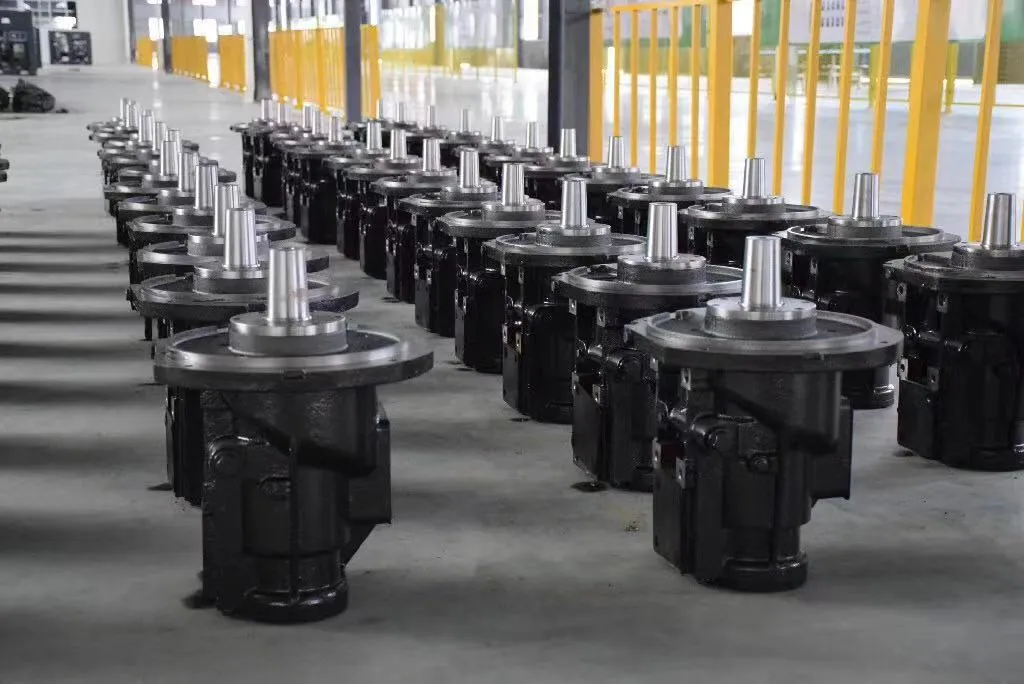
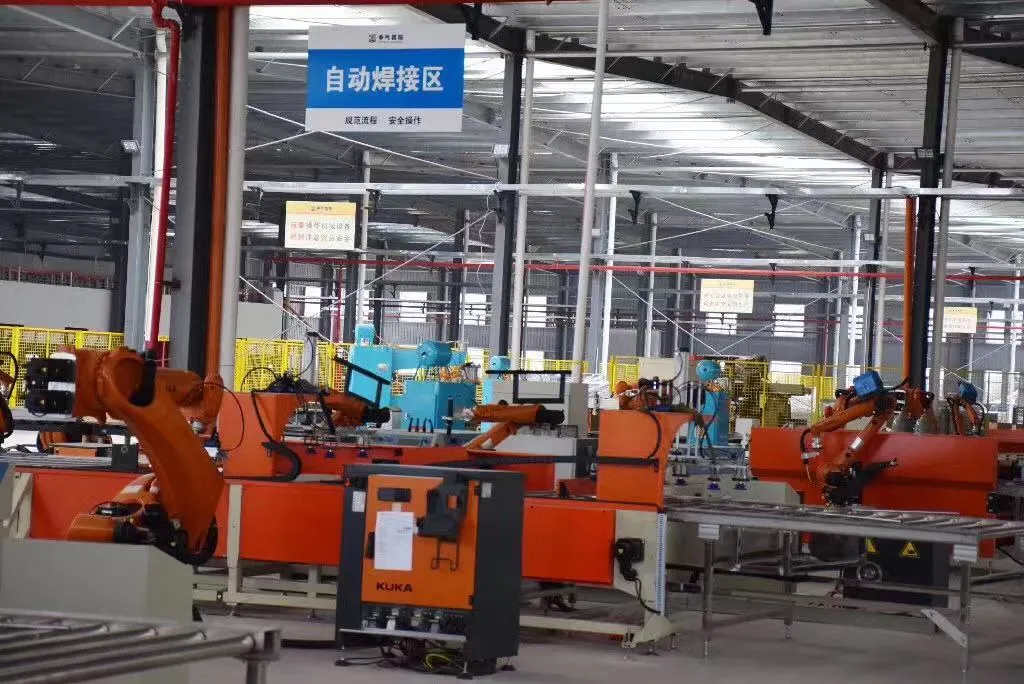
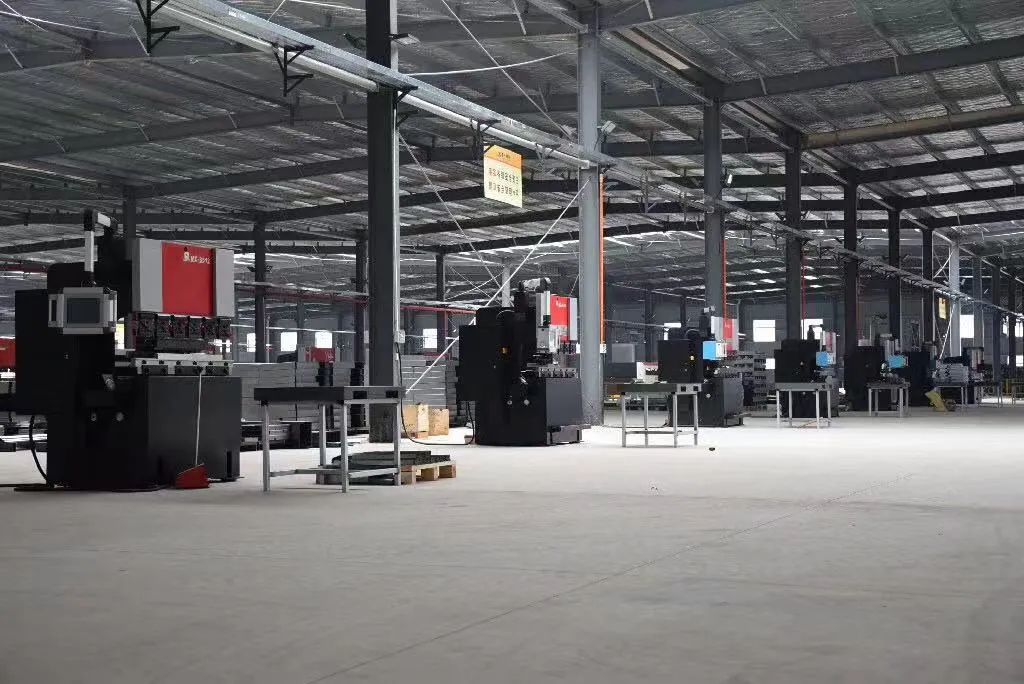
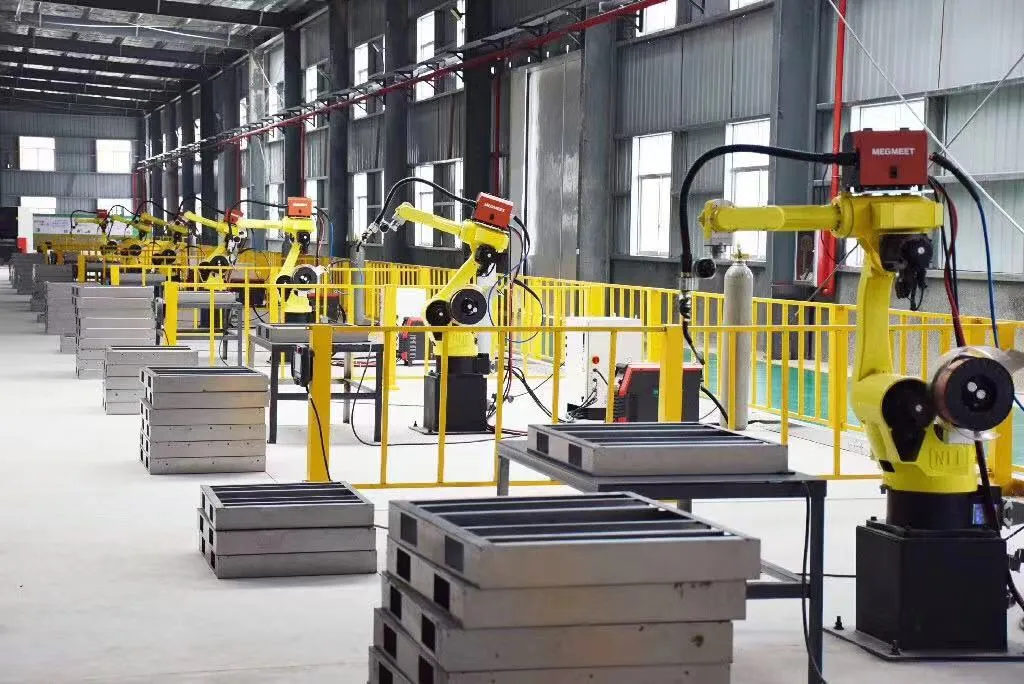
Factory testing helps, but it is not a substitute for field trend data. Panrui runs each unit through a 12-hour full-load test before shipment and sizes the cooling system 20–30% larger for 52°C ambient conditions. That reduces early-life risk; it does not remove the need to monitor oil after the machine is installed in your plant.
Good oil separation is not the same as good oil health. Panrui uses high-precision multi-layer folded filter media to keep oil carryover low and seals the separator ports against leaks. Even with that hardware, contaminated or degraded oil still circulates through the airend. A missed trend can turn a filter change into an airend replacement.
The 5 Wear Metals to Track
- Iron: rising iron usually points to rotor, gear, or bearing wear inside the airend.
- Copper: copper can come from bearing cages, cooler surfaces, or seal components and often climbs with overheating.
- Aluminum: a sudden aluminum jump can signal cooler damage or debris entering through the intake side.
- Silicon: silicon is normally dirt, so it points to an air filter leak or poor intake sealing, not mechanical wear.
- Chromium or tin: these can indicate rolling-element bearing alloy wear and should be trended against the baseline sample.
Do not read one metal in isolation. The pattern matters more than a single number. Iron and copper rising together often mean a bearing or rotor issue, while silicon plus aluminum often means dirty intake air has entered the oil system.
How to Read the Report Without Overreacting
Establish a baseline sample after the first 100 running hours. After that, compare every new sample with the previous three results. A slow upward trend is a scheduling signal; a sudden spike is a stop-and-inspect signal. Also track viscosity, water content, and acid number because wear metal data is less useful when the oil itself has broken down.
For a high-efficiency unit, the same discipline applies. Even a well-designed machine cannot protect itself from dirty intake air, a failed filter, or water entering through a compressed air system. The rotary screw air compressor platform and the two-stage screw air compressor options both need this same oil-monitoring routine.
What Buyers Get Wrong About Screw Compressor Oil Analysis
- “No noise means no wear.” By the time a screw airend becomes noisy, the damage is usually well advanced.
- “One sample is a verdict.” One reading can be contaminated by sampling method or oil top-up; trend data is the real diagnostic.
- “Factory-tested machines never fail.” Factory testing reduces infant failures, but operating conditions and contamination still drive long-term wear.
Turn Oil Data Into a Maintenance Decision
Screw air compressor oil analysis is most valuable when it produces a decision: keep running, change oil, inspect the air filter, or schedule an airend inspection. Share the trend with your service partner instead of waiting for an alarm. That is far cheaper than discovering the damage through a shutdown. For a model-specific maintenance recommendation or a factory video call, use the contact page.