

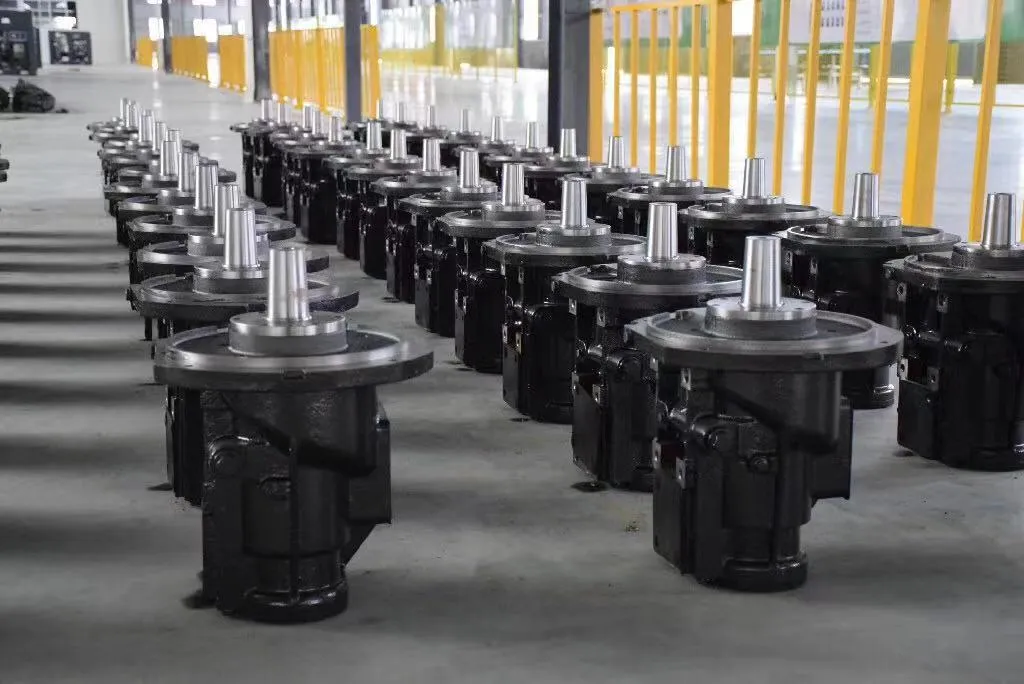



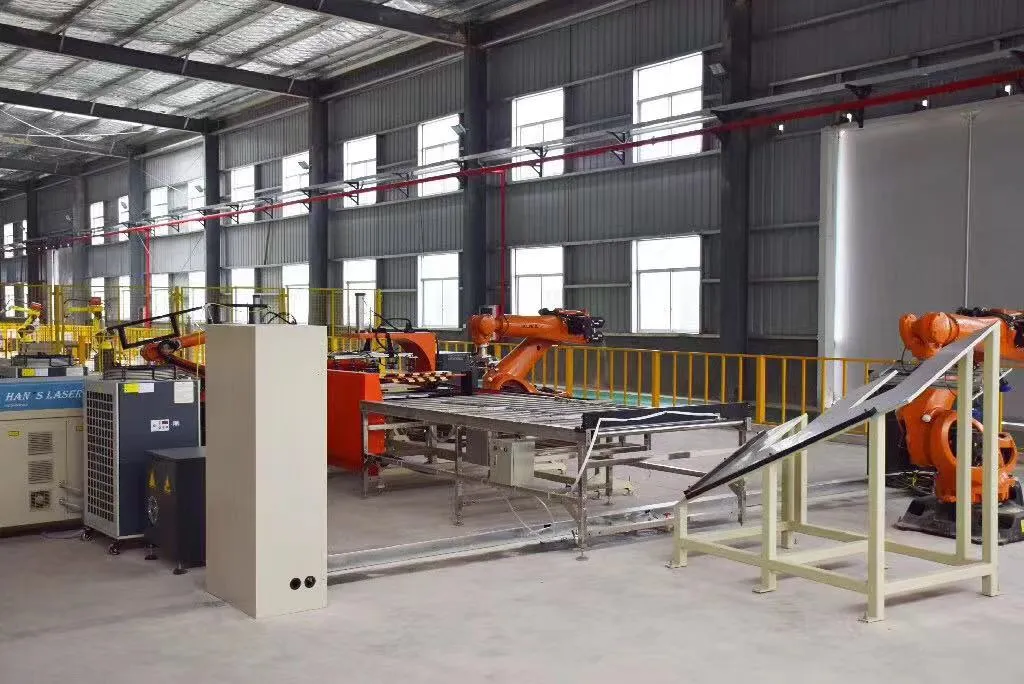
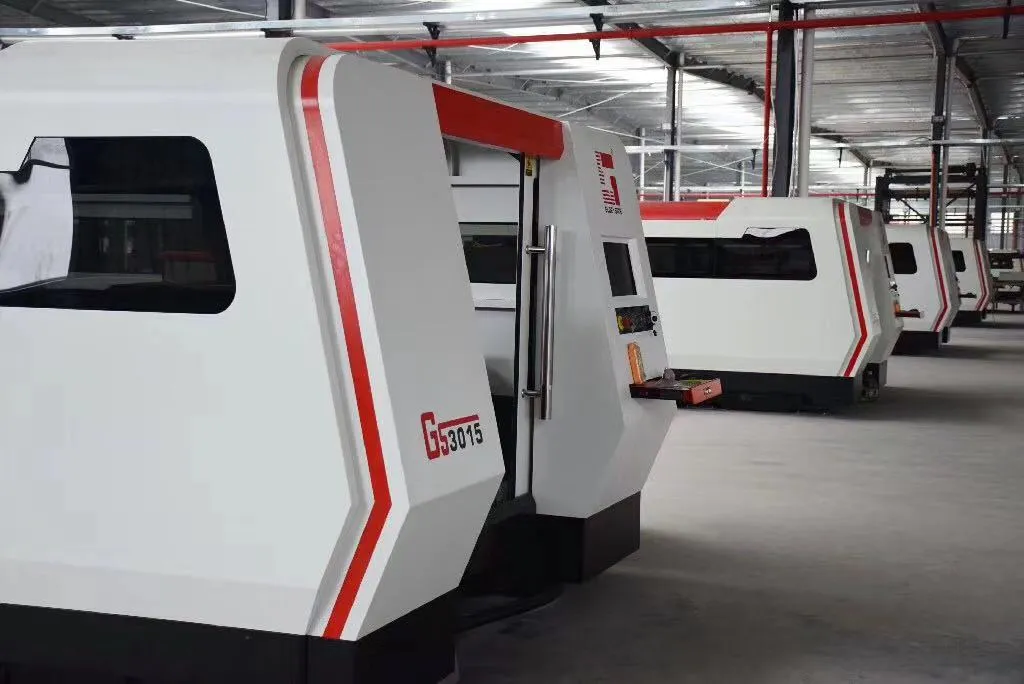

At 2 p.m. in a textile dyeing hall, the air temperature climbs past 48°C. A 75 kW screw air compressor that ran fine all morning now trips on motor overload, and the whole finishing line stops. The failure is rarely the airend; it is the motor, and the cooling method it relies on. Choosing an oil cooled screw air compressor motor, or sticking with a fan-cooled TEFC design, decides whether the machine keeps producing at 52°C ambient or shuts down on the hottest day of the year.
Why Motors Die First in a Hot Plant
A screw air compressor has three main heat sources: the airend, the oil, and the drive motor. The motor is the part most buyers ignore until it trips. Standard fan-cooled motors (TEFC, IC411) pull room air across the cooling fins. When the room already sits at 40–50°C, the cooling air has almost no temperature difference left to carry heat away, so the winding temperature rises and the protection relay eventually opens. Every unplanned stop costs production, and repeated overheating shortens insulation life.
The fix is not a bigger fan. It is changing how the motor sheds heat. An oil cooled screw air compressor motor runs the compressor’s lubricating oil through a jacket or integrated circuit around the stator, then rejects that heat through the oil cooler. Oil has far higher thermal capacity than air, so the motor runs at a more stable temperature even when the inlet air is hot.
Fan-Cooled vs an Oil Cooled Screw Air Compressor Motor
Fan-cooled motors are cheaper and simpler. They work well in ventilated rooms up to roughly 40°C, which is why 40°C is the industry design benchmark. Above that, three problems appear: the fan itself consumes power, the cooling delta shrinks, and dust clogs the fins to cut heat transfer further.
Oil-cooled motors attack all three. The oil circuit removes heat more evenly, the fan load is reduced or eliminated, and the machine can be sealed against dust instead of depending on open airflow. In Panrui’s own energy-saving breakdown, the oil-cooled motor contributes about 0.5% of the total efficiency gain — a small number that matters most when the plant is hottest, because it is the cooling margin that keeps the whole unit online.
That is why motor choice belongs in a full system evaluation, not a line-item afterthought. Start with the main guide at rotary screw air compressor selection before you compare any two quotes.
What 52°C Ambient Design Actually Requires
A machine rated for 52°C ambient is not the same as a 40°C machine with a larger fan. Panrui sizes the complete cooling system 20–30% larger and designs the whole unit around the 52°C worst case, far above the 40°C industry standard. The motor is only one part: the oil cooler, the intake ducting, and the fan layout all have to be matched. When the motor is oil-cooled and the package is designed for high ambient, the drive keeps its continuous rating instead of being quietly derated.
Ask the supplier for the motor’s IP rating and its duty at 52°C, not just its nameplate kW. An IP55 oil-cooled motor with a matched cooler holds full load; a fan-cooled unit may need to be oversized or derated, which silently erases the savings you thought you were getting.
5 Checks Before You Choose
- Confirm the continuous duty rating at the site’s highest recorded ambient, not the annual average.
- Ask whether the motor is IP55 or higher and how dust and moisture are handled.
- Compare cooling air demand: a fan-cooled motor pulls hot, dusty room air, while oil cooling rejects heat through the oil cooler.
- Check the fan power you are paying for — removing a motor fan is a permanent parasitic-load reduction.
- Match the motor to the compressor control strategy; permanent-magnet variable-speed units are a common pairing for oil cooling.
For plants with variable demand, pair the cooling choice with a variable-speed unit. See variable speed screw air compressors for the control side of the same decision.
Objection: Doesn’t Oil Cooling Add Maintenance?
The added complexity is small and contained. The oil circuit already exists on every oil-injected screw compressor; an oil-cooled motor reuses that circuit plus a temperature valve and, on some designs, a small booster pump. The payback comes from fewer motor trips and longer winding life, which cost far more than one extra oil-circuit inspection a year.
Conclusion: Spec the Motor for Your Worst Day
If your compressor room stays below 40°C and stays clean, a fan-cooled TEFC motor is a reasonable, economical choice. If the room has furnaces, ovens, dyeing lines, or poor ventilation and touches 45–52°C, an oil cooled screw air compressor motor inside a 52°C-rated package is the difference between continuous production and a recurring afternoon shutdown. Match the cooling method to the hottest hour of your plant, and the motor stops being the weak link.
Talk to a supplier that sizes for 52°C ambient rather than 40°C: contact us for a motor-cooling and duty review.