

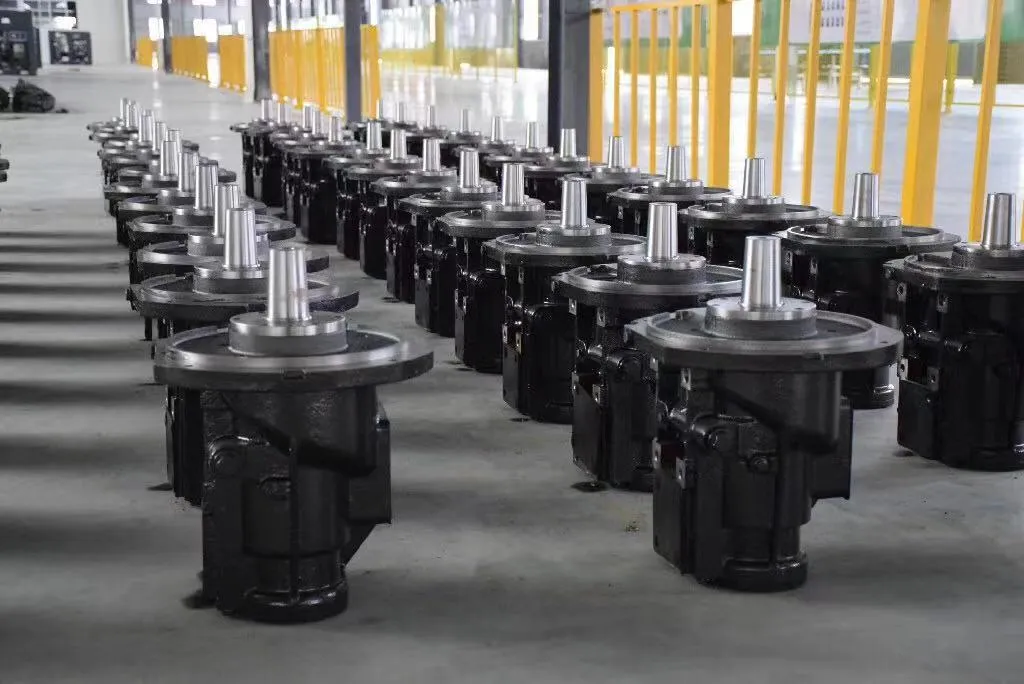
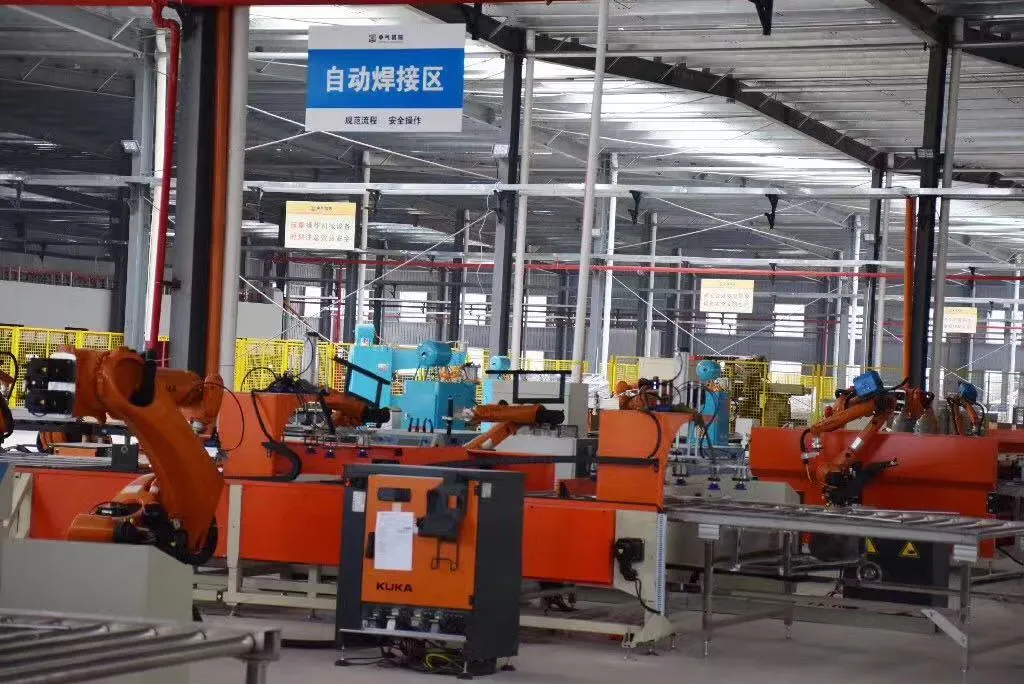
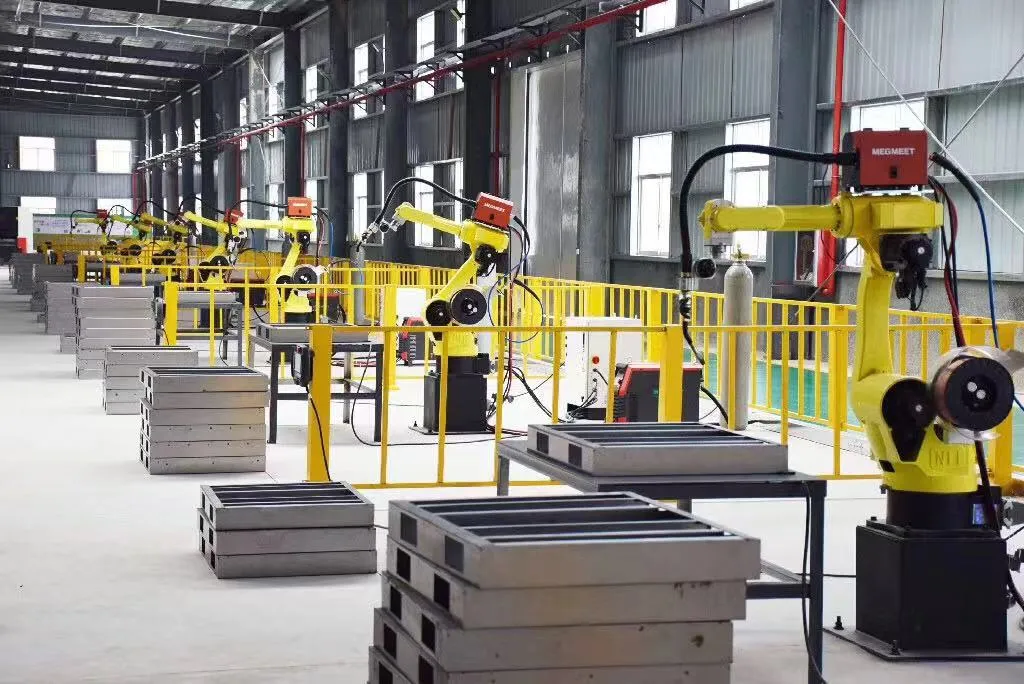

Every fisheye crater, orange-peel run, and dust nib on a painted part shares one root cause: contaminated compressed air. In a paint shop, the screw air compressor for spray painting is not just a power source — it is part of the finishing system, and any water, oil mist, or particle it pushes down the line becomes a defect on the panel. One bad batch forces a full respray, burns booth hours, and misses a delivery date. Before you add another filter, fix the air quality spec at the source, because the compressor, dryer, and filters have to be sized as a single chain.
Why Paint Defects Trace Back to Compressed Air
Water is the most common culprit. A screw compressor pulls in ambient air full of humidity; compressing it concentrates that moisture, and as the air cools in the piping, liquid water condenses out. That water causes blushing, pinholing, and weak adhesion. Oil is the second culprit. Oil-flooded screw compressors inject lubricant into the compression chamber, and a worn or undersized separator can let 3–5 ppm of oil mist slip downstream — enough to leave fisheye craters in a clear coat. Dust and pipe scale round out the problem and show up as dirt nibs in the wet film.
- Fisheye craters: oil mist that reaches the gun and refuses to wet out the panel.
- Orange peel and blushing: water droplets that break the surface tension of the coating.
- Dirt nibs and pinholes: particles and pipe scale trapped in the wet film.
Screw Air Compressor for Spray Painting: The Three Air Quality Numbers That Matter
Pin the air to ISO 8573-1 classes instead of guessing. Most fine-finishing and automotive booths specify oil at Class 1 (≤0.01 mg/m³), particles at Class 1, and a pressure dew point of -40°C for solvent-sensitive lines or +3°C for general industrial coating. A quality oil-flooded screw compressor can support those targets when it is paired with a high-precision oil separator and a coalescing filter.
- Oil: ≤0.01 mg/m³ (ISO 8573-1 Class 1). A multi-layer folded separator element with a sealed port keeps carryover low, and a coalescing filter polishes the rest.
- Dew point: -40°C with a desiccant dryer for solvent coatings, or +3°C with a refrigerated dryer for most industrial paint lines.
- Particles: 0.01 micron filtration downstream so dust and scale never reach the gun.
Sizing the Screw Air Compressor for a Paint Shop
An undersized machine starves the guns mid-job and lets pressure sag, which changes atomization and throws off the finish. Total the CFM of every HVLP or conventional gun that can run at once, then add air for drying, agitation, or blasting if the booth shares a line. Leave 10–15% headroom and fit an air receiver tank to absorb surge. A variable-speed rotary screw air compressor holds a steady pressure band and stops wasteful unloading between spray cycles, and starting from a real load profile usually lets you buy a smaller, cheaper machine than a sticker-number guess would suggest.
Do You Need an Oil-Free Screw Compressor?
Not always. Many shops run oil-flooded machines successfully because a good separator plus coalescing filters remove enough oil for Class 1 work. An oil-free screw air compressor becomes the safer choice when a contract or a Class 0 requirement forbids any oil contact, or when the booth coats food-contact, medical, or aerospace surfaces. The trade-off is cost: oil-free units carry a higher upfront price, so do not pay for Class 0 if a well-maintained oil-flooded system already meets your spec.
A Maintenance Routine That Keeps Oil Out of the Finish
The cheapest defect prevention is a schedule, because most fisheye problems trace to a separator that was never replaced or a drain that was left closed. Make these checks part of the weekly routine:
- Drain the receiver tank and filters every day; trapped water is tomorrow’s blush.
- Watch the separator pressure differential and replace the element on the manufacturer’s interval.
- Verify the dryer dew point display, and change pre-filters before they load up.
- Keep the compressor intake away from booth exhaust so overspray never enters the inlet.
Machines built for hot, continuous paint-shop duty hold up better. A unit designed around a 52°C ambient rating with a 20–30% larger cooling system runs a lower discharge temperature, and lower discharge temperature means less condensed water and more stable oil separation. The efficiency side pays off too: a two-stage screw compressor can deliver specific power around 6.0 kW/(m³/min) at 55 kW where a comparable single-stage machine sits near 8.0 kW/(m³/min), cutting electricity cost on the same delivered air and stretching the savings to 20–50% on a fluctuating booth load.
Stop Rework at the Air Line, Not at the Spray Booth
The booth shows you the symptom; the air line holds the cause. Get the screw air compressor for spray painting right on three numbers — oil, dew point, and particle class — and most fisheye, orange-peel, and dirt-nib rework disappears with it. Confirm your gun CFM total, match the dryer to your dew point target, and replace separator elements on schedule, and every panel leaves the booth on the first pass.
For a specification matched to your booth’s air demand, contact us with your gun count, working pressure, and coating type, and we will size the compressor and dryer as one system.