

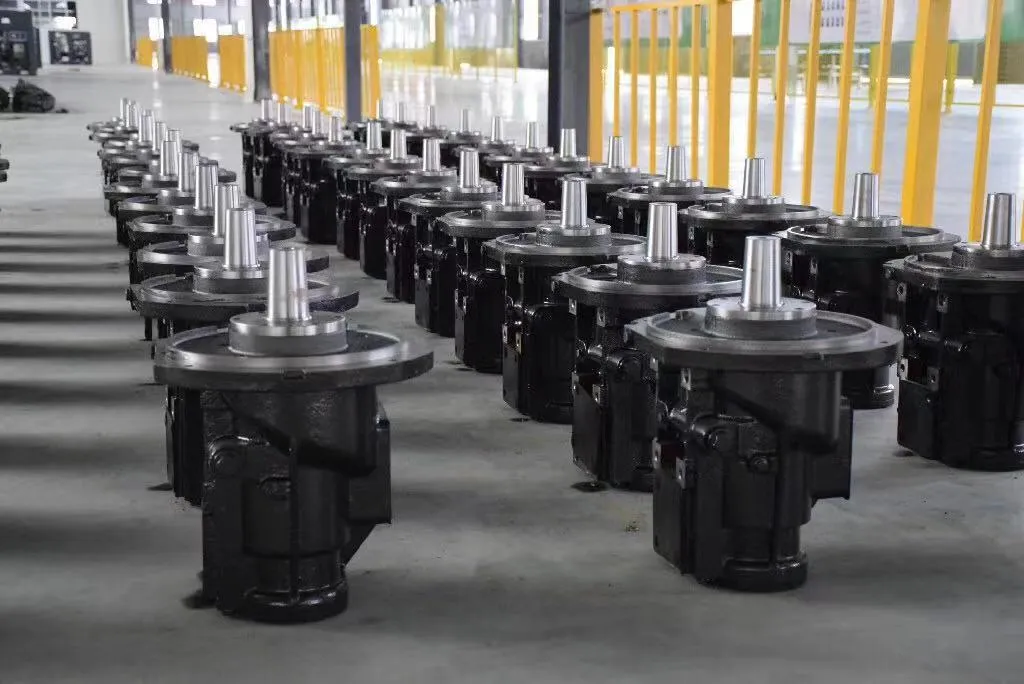
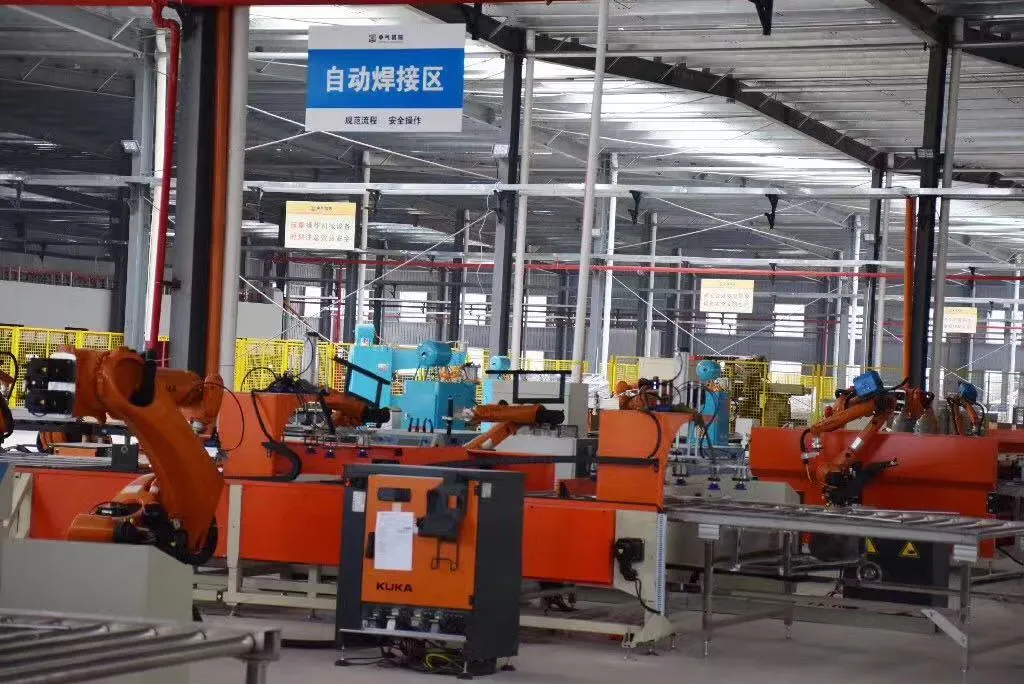
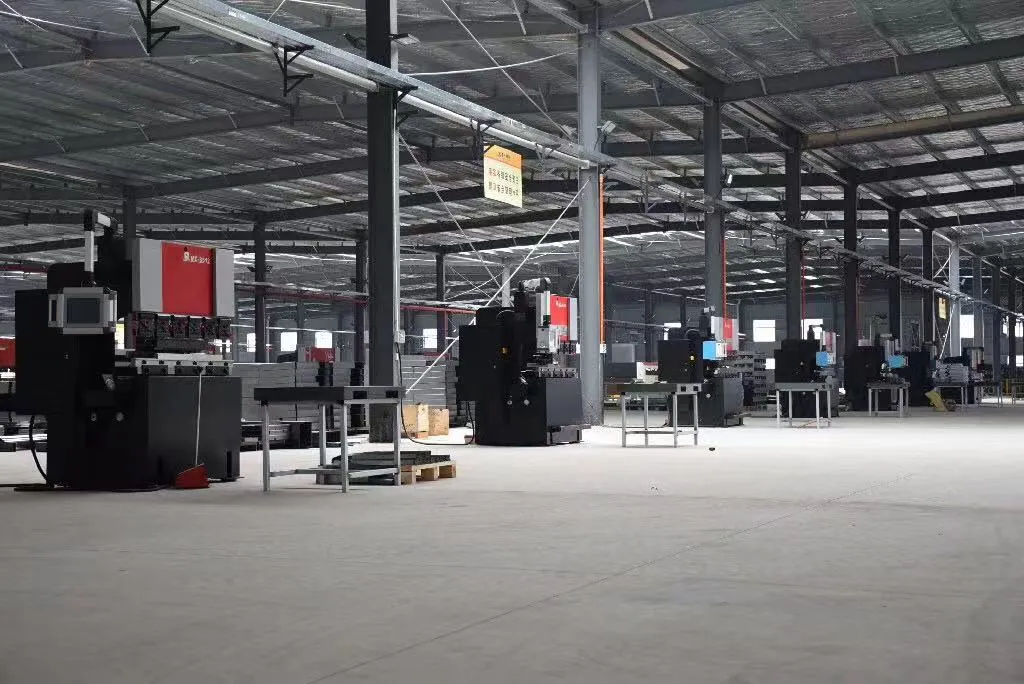
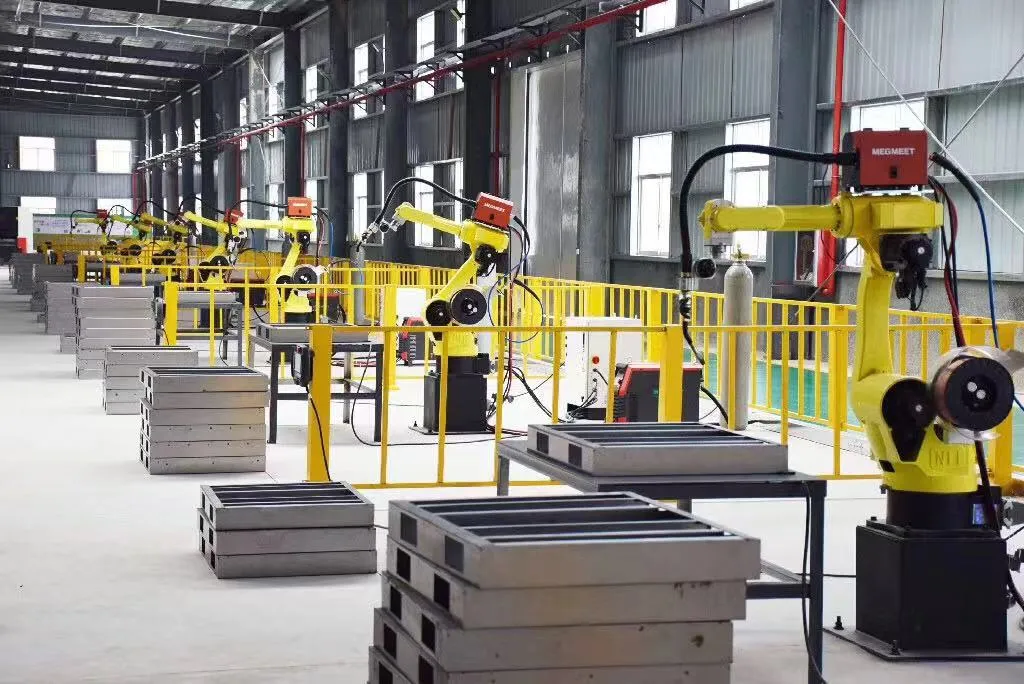

Sawdust attacks a screw air compressor for woodworking in two ways: it clogs the air filter and it forces the motor to pull against extra intake resistance. In a Panrui energy-saving teardown, a dirty filter lifts intake resistance from 800 Pa to 1600 Pa, and every extra 1 bar of discharge pressure adds roughly 8% to the electricity bill. Choose the wrong machine and a busy cabinet or furniture shop quietly spends 20–50% more on compressed air every month than it has to.
The 6 Specs That Matter Most
- Two-stage compression. A two-stage airend lowers the compression ratio per stage and cuts specific power to 6.0–6.5 kW per m³/min at 55 kW, versus 7.9–8.0 for a single-stage unit.
- Permanent-magnet motor with variable speed. The PM motor adds 10–15% efficiency and holds constant pressure without unloading.
- Low-resistance intake filtration. Oversized, easy-to-service filters keep intake resistance near 800 Pa instead of 1600 Pa in a dusty room.
- 52°C ambient rating. The whole machine is engineered for 52°C, well above the 40°C industry standard, so hot summer workshops do not trip it.
- 70±2 dB enclosure. A sealed, damped cabinet keeps noise at conversation level next to planers and sanders.
- Hard-piped, sealed air and oil circuits. Hard piping plus a 12-hour factory run test prevents leaks before the machine ships.
What Sawdust Does to Your Power Bill
Fine dust settles on the air filter first, then on the oil cooler and intake fins. As the filter loads up, the airend works harder to pull the same air, and specific power climbs. The same shop running at 1 bar of unnecessary pressure pays 8% more per bar, every hour the machine runs. A two-stage screw air compressor with a pressure-setpoint VSD removes that overpressure at the source: the two-stage architecture alone is worth about 8% in Panrui’s teardown, and the first seven levers, from low-drag filters to a larger aftercooler and oil-cooled motor, add roughly 14% more. Stacked together, a correctly specified unit can deliver the documented 20–50% energy saving over an old fixed-speed machine.
Filter, Pressure, and Dew Point: Three Checks Before You Buy
Match the filter to the dust load. A shop with wide-belt sanders, CNC routers, and edge-banders needs a cyclone or pre-filter upstream of the compressor intake, not just a finer element. Next, set the discharge pressure to the highest real demand, usually 7–8 bar, and let the VSD hold it flat instead of letting the machine swing to 9 bar to compensate for pipe loss. Finally, keep the dew point below the wet-bulb of the shop: a refrigerated dryer rated for the full flow protects air-driven tools, clamping cylinders, and spray equipment from water that rusts fittings and ruins finishes.
Myth vs Fact: Oil-Injected Air in a Wood Shop
Myth: woodworking always needs an oil-free screw air compressor. Fact: sanding, routing, sawing, clamping, and pneumatic conveying work fine on oil-injected air with a coalescing filter downstream. Oil-free only becomes necessary where the air touches a finish, coating, or the product itself. For a general millwork or cabinet shop, an oil-injected two-stage unit with proper filtration costs less to buy and less to run.
FAQ
- What kW should a woodworking shop choose? Add the CFM of the three largest simultaneous air tools, add 20–30% headroom for dust loading, and size the motor from that, not from a guess.
- How often do filters need service in a dusty shop? Inspect the intake filter weekly and replace it when pressure drop doubles. A monthly visual check on the oil cooler prevents high-temperature trips.
- Does a VSD really save money in woodworking? Yes, where demand varies between sanding, assembly, and break time. Constant-pressure VSD control removes the 8%-per-bar overpressure waste and unloaded running.
Your Next Step
Spec the machine against your real dust load, pressure, and duty cycle, not a catalog price. Send us your tool list and shift pattern through the contact page and we will return a matched two-stage or VSD screw air compressor with the specific power, dew point, and filtration you need, with the numbers written into the quote.