

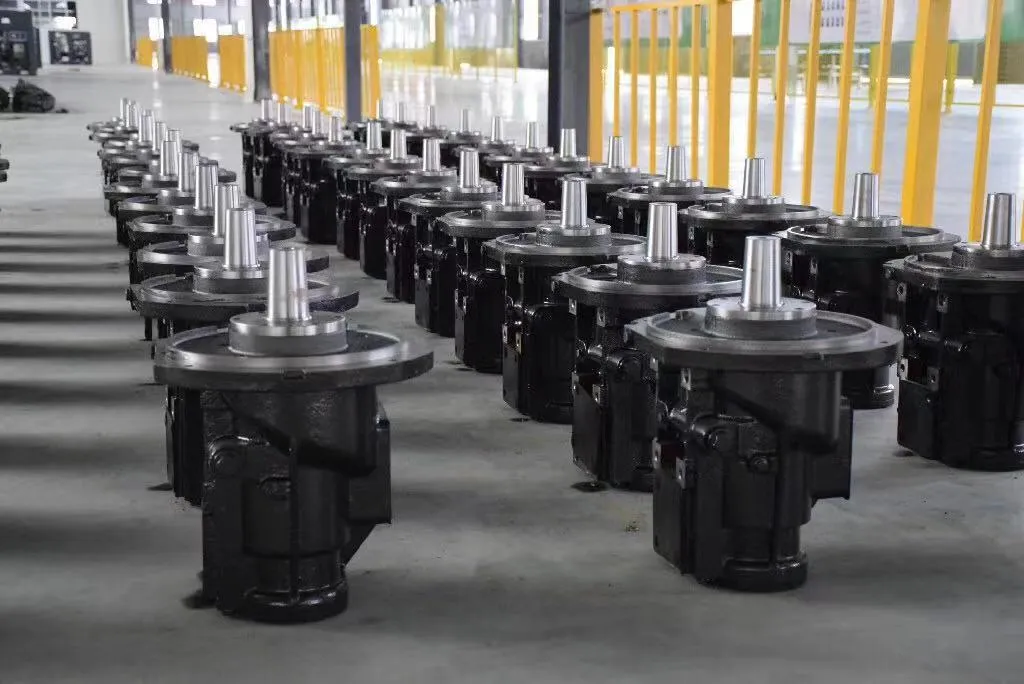
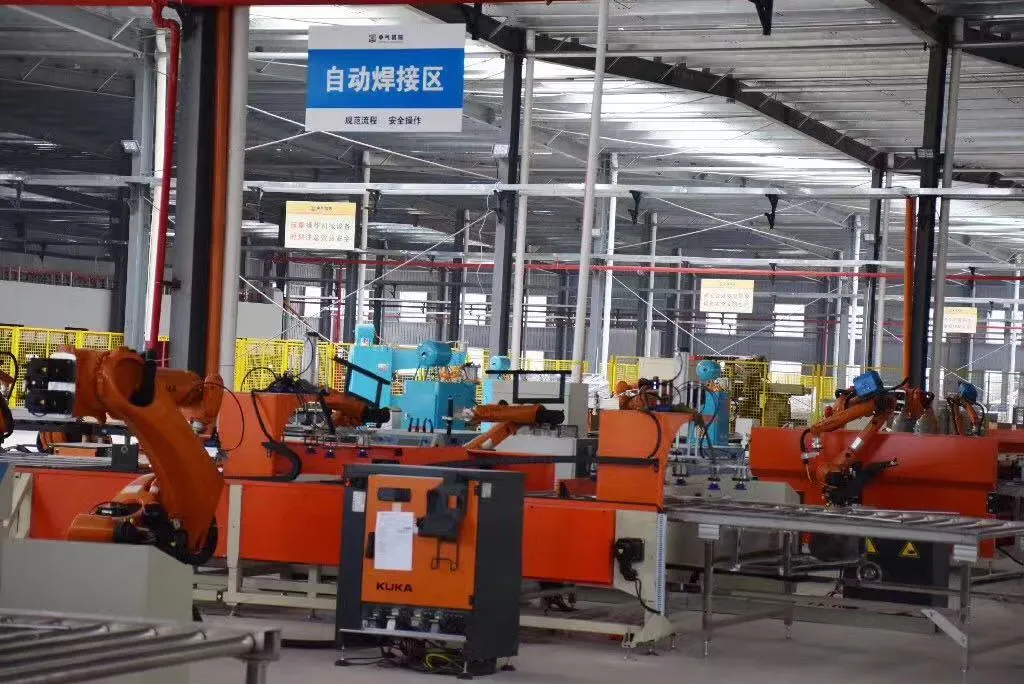
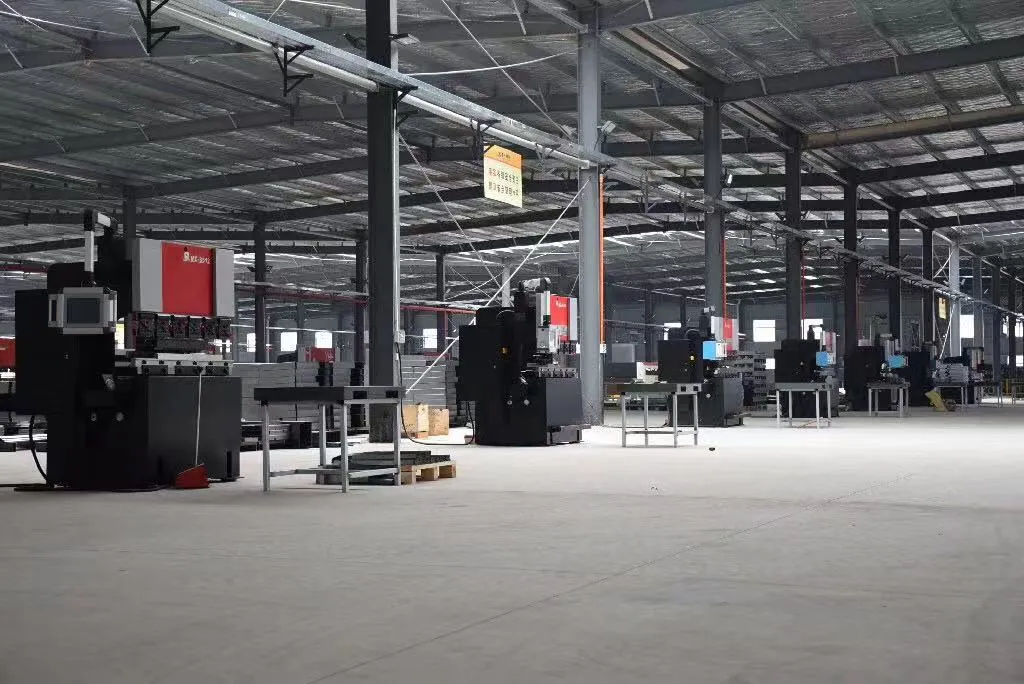
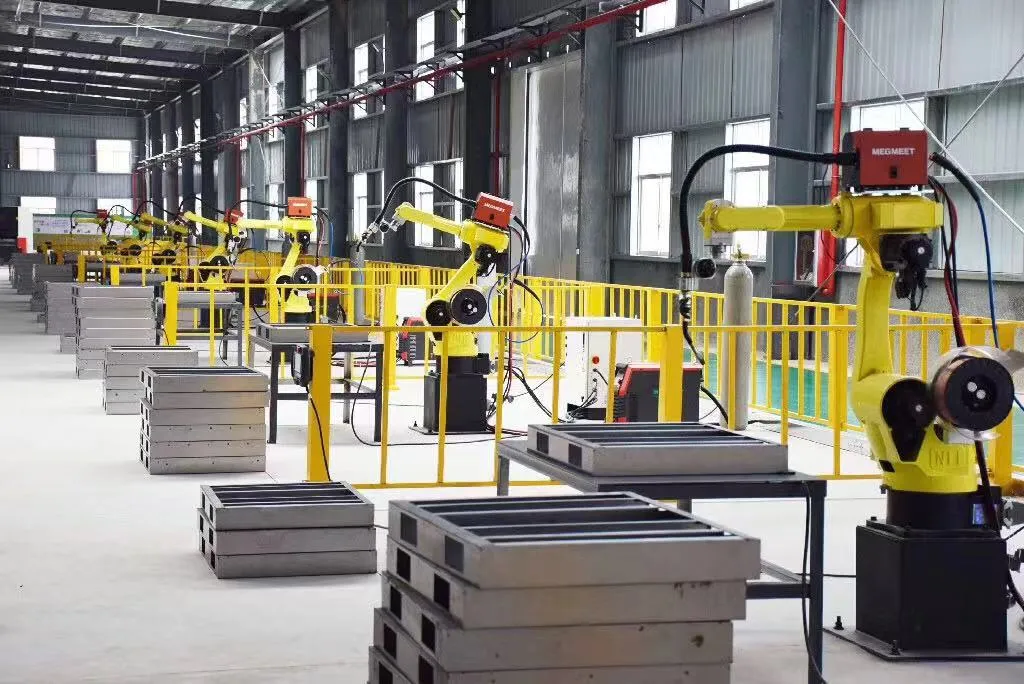
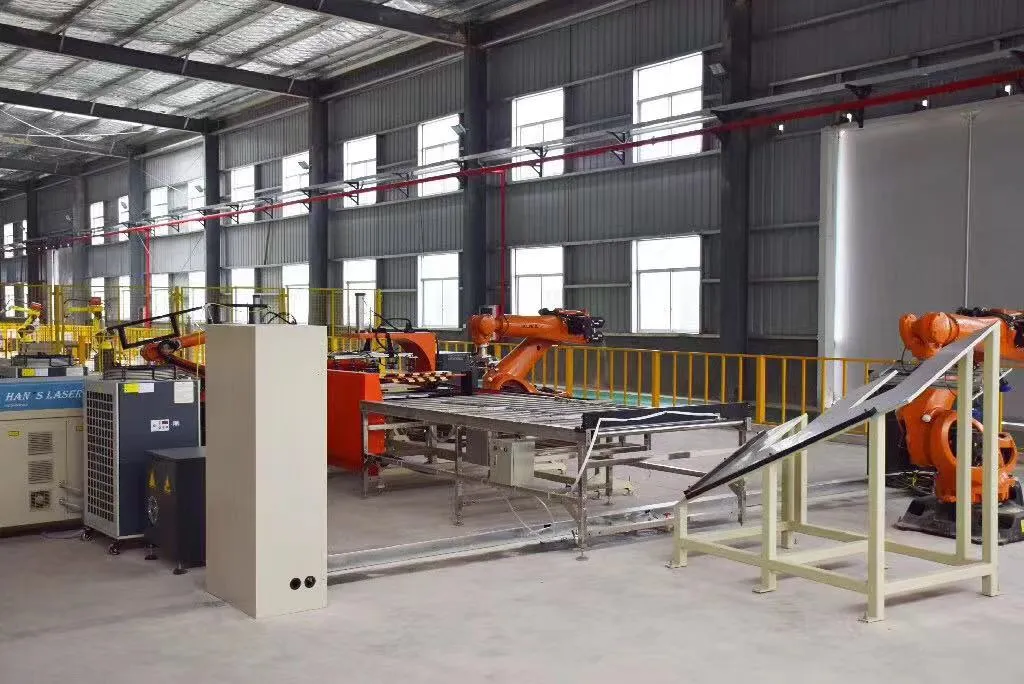

A layup robot faults mid-cycle because plant pressure sagged 0.5 bar. The laminator’s pneumatic clamps lose grip for two seconds, and an EVA-glass stack shifts out of alignment. Three stops a shift like that, and a solar module line quietly bleeds thousands of panels a week. The screw air compressor for solar panel manufacturing is not a commodity accessory; it is the machine that keeps stringers, layup robots, laminators, and frame presses moving at full speed.
Most PV module plants treat compressed air as an afterthought. They size a unit by peak CFM and ignore what comes out of the pipe. Oil aerosol and water vapor travel straight into lamination, leaving haze, delamination, and micro-cracks that only show up at the EL test. Every rejected module is scrap glass, wasted cells, and rework labor, and every pressure sag that faults a robot is unplanned downtime on a line built to run 24/7.
What Your Screw Air Compressor for Solar Panel Manufacturing Must Deliver
Buyers do not need more kilowatts. They need three things delivered together, continuously:
- Stable discharge pressure within plus or minus 0.1 bar, so pneumatic cylinders and robots hold position without drift.
- Clean, dry air, with oil carryover below 0.1 mg/m3 after coalescing filtration and a +3 C pressure dew point from a refrigerated dryer.
- Continuous-duty design that survives a hot mezzanine in a factory where summer ambient air regularly passes 40 C.
If your current machine cannot hold those three, the fix is the compressor itself, not the PLC and not the robots. A rotary screw air compressor sized for the load is the foundation. See the full system before you narrow down to a single model.
Six Specs That Keep Lamination and Assembly Lines Running
- Specific power below 6.5 kW per cubic meter per minute. A two-stage unit delivering 12 m3/min at 6.2 kW/(m3/min) draws about 75 kW; a worn single-stage at 7.4 kW/(m3/min) needs roughly 89 kW for the same air. That gap is pure electricity.
- Permanent-magnet VSD. Module lines ramp up and down with shift changes and material flow. A fixed-speed unit keeps loading and unloading; a PM VSD matches output to demand and removes over-pressure and no-load running.
- 52 C ambient-rated cooling. Compressor rooms on PV lines sit high, hot, and dusty. A unit designed for 52 C keeps running where a 40 C-standard machine starts tripping on high temperature.
- Oil carryover control plus a refrigerated dryer and filters. The compressor handles compression; the dryer and coalescing filters handle purity. Specify both, or the lamination rejects come back.
- Hard piping and oversized headers. Pressure drop between the tank and the laminator is money. Hard connections and enlarged pipe reduce leakage and pressure loss across the run.
- Factory run-in and a real warranty. Insist on a documented 12-hour non-stop factory test and a multi-year warranty on the airend and drive.
The Energy Number That Pays for the Compressor
Compressed air is usually the second or third largest electrical load in a module plant, so specific power matters more than sticker price. Two-stage compression works closer to isothermal, improving compression efficiency by 10 to 15 percent. Pair that with a permanent-magnet motor and VSD, and total energy savings of 20 to 50 percent over a legacy fixed-speed unit are realistic on variable duty.
Run the arithmetic on the 12 m3/min example. At 90 percent duty, a 75 kW two-stage draws about 590,000 kWh a year; the older 89 kW single-stage draws about 706,000 kWh. That is roughly 114,000 kWh back in your budget every year, over $11,000 at $0.10/kWh, and it repeats for a decade. This is the case for the two-stage configuration before you even add heat recovery.
Objection: “Our Old Unit Still Runs”
“Still running” is not “still efficient.” A legacy fixed-speed screw unit spends much of its life over-pressuring the header and running unloaded. Unloaded running consumes power while delivering nothing, and every extra bar above the line’s real requirement adds roughly 7 percent to the power draw. A VSD unit removes both losses, which is why modern plants specify them for partial-load lines.
Next Step: Size the Demand Profile First
Before you replace or add a machine, log the real demand profile for at least one full week: average and peak flow, the lowest pressure the line actually needs, and the worst summer ambient temperature. Those three numbers decide the screw air compressor for solar panel manufacturing you should buy, not the brochure.
Map your lamination, stringing, and assembly loads, then choose the configuration that fits. If you are ready to size a two-stage PM VSD unit for your module line, contact us for a demand-based recommendation and a like-for-like energy comparison.