

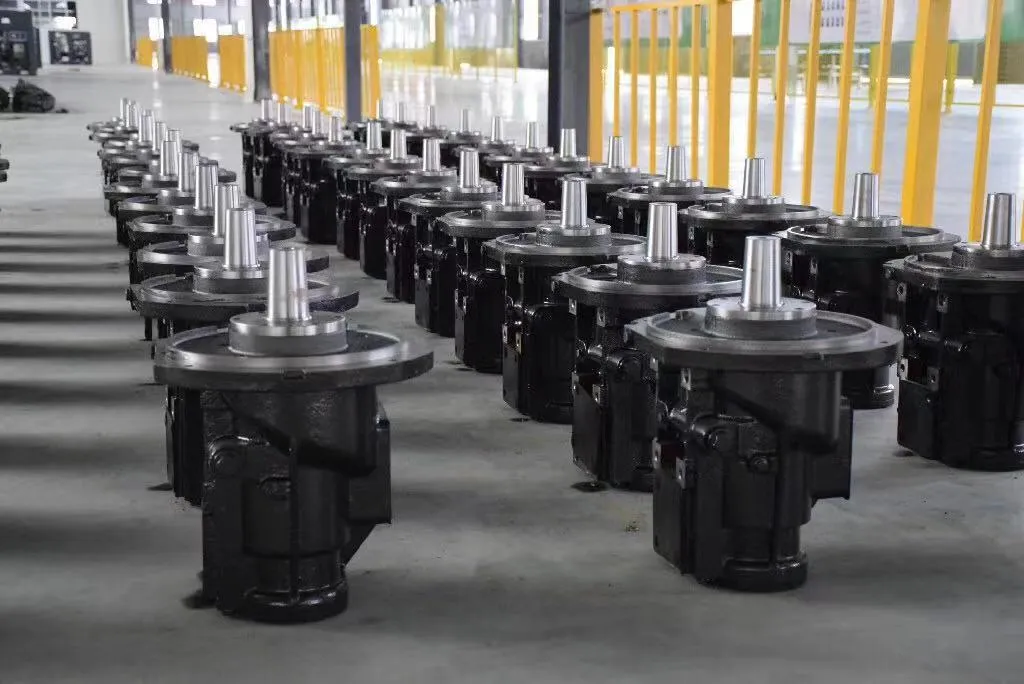
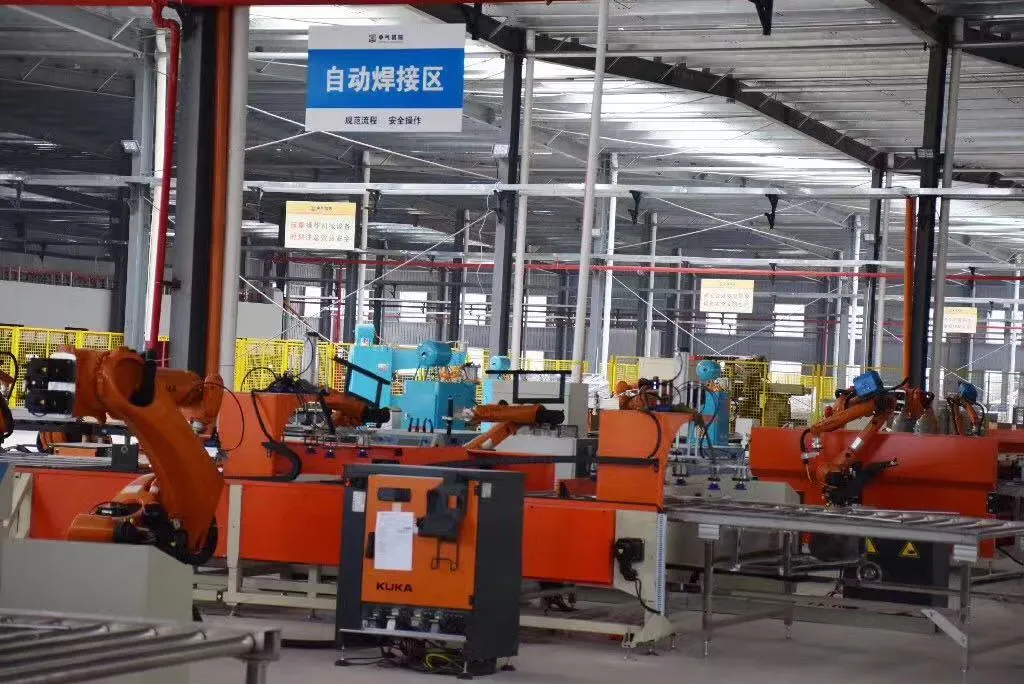
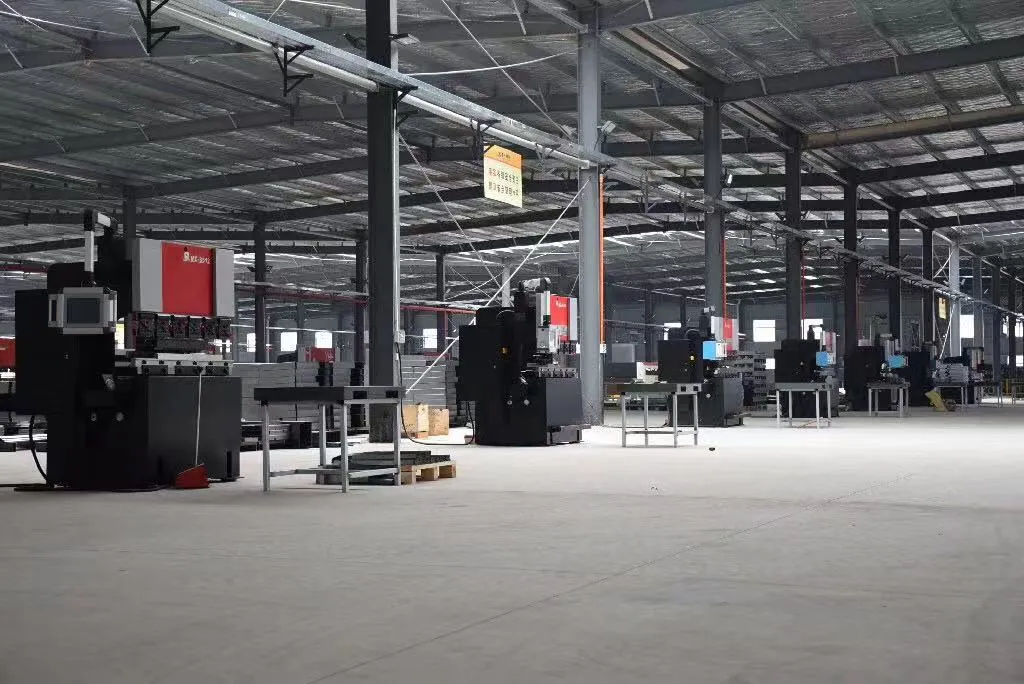
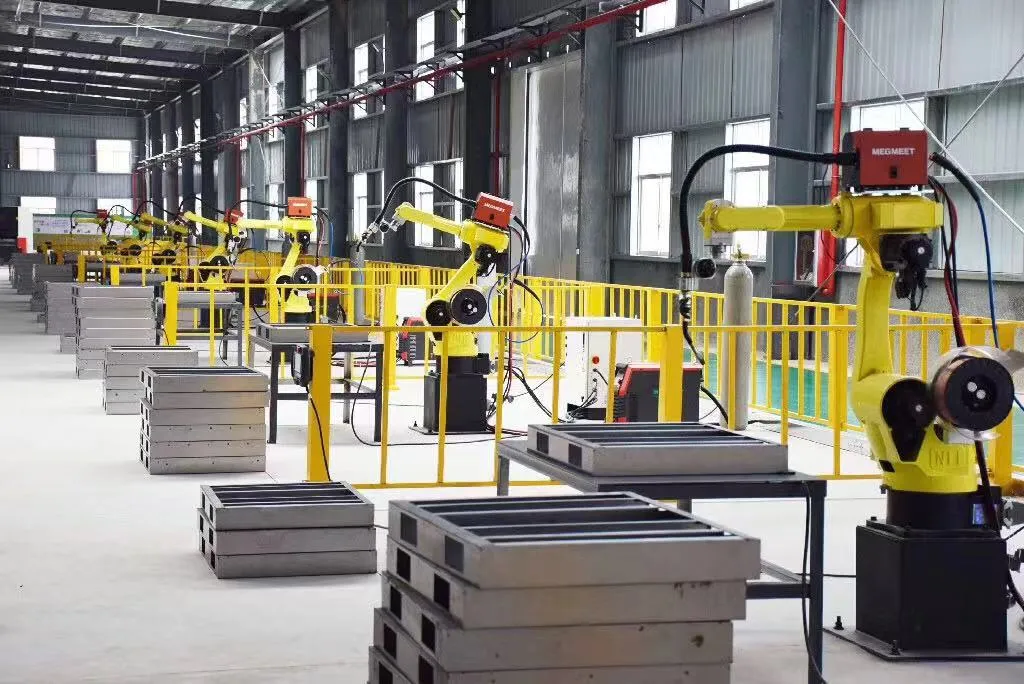

A single-stage screw compressor can push discharge air to 100–120°C, and every degree of that heat is quietly shortening your oil life and pulling money out of your maintenance budget. Two-stage machines split the work into two stages with cooling in between, which is why the two-stage screw compressor discharge temperature typically stays at 80°C or below. That 20–40°C gap is not an engineering footnote — it changes how often you buy oil, filters, and service hours, and it shows up directly on the invoice.
Why a 100°C Discharge Is a Maintenance Cost, Not Just a Number
Heat is what oxidizes compressor oil. Around 100–120°C, oil degrades faster, forms carbon and varnish, and forces short oil change intervals of roughly 2,000 hours. The hotter the discharge, the faster seals, the oil separator, and valves age — so the compressor costs more in consumables every single year even when it keeps running. Operators often accept this as normal wear, but it is really a temperature problem hiding in plain sight.
How Two-Stage Cooling Drops the Discharge Temperature
A two-stage compressor splits the pressure rise across two airends and injects oil cooling between the stages. Because each stage compresses a smaller pressure ratio, the gas does not spike to a single-stage peak temperature. The result is a lower, steadier two-stage screw compressor discharge temperature — around 80°C instead of 100–120°C. The machine also runs smoother, with rotor vibration typically below 2.8 mm/s, which protects bearings over the long run. Together, these changes are what allow an air end designed for 150,000 hours instead of the 100,000 hours common on single-stage units.
What an 80°C Discharge Saves You on Oil and Maintenance
- Oil changes double: 2,000-hour intervals stretch to 4,000–6,000 hours.
- Oil-oxidation rate drops about 50%, so the oil stays cleaner between changes.
- Oil-separator filter life improves about 30% — fewer clogged-filter replacements.
- Valve and seal wear slows about 40%, stretching change intervals past 12,000 hours.
- 2,000–5,000 yuan less per year in maintenance cost versus a comparable single-stage unit.
Stack those together and the cooler discharge pays back in service parts, downtime, and labor — not just in theory, but line by line on the maintenance sheet.
The Payback Shows Up in Power Too
The same cooling design that protects the oil also makes the compression cycle closer to isothermal. Field energy-saving breakdowns put the interstage-cooling gain at around 15% versus single-stage compression, and a 75 kW unit running 6,000 hours a year at 0.8 yuan per kWh can save roughly 80,000 yuan a year on electricity alone, with payback in 1.5–3 years. Lower heat also means quieter, gentler running — around 70 dB at one meter — and a cooler machine room that keeps workers and drive electronics comfortable.
What to Check Before You Quote a Cooler-Running Machine
- Compare discharge temperature at the same pressure and flow, not across different ratings.
- Ask for specific power in kW per m³/min and confirm the design discharge temperature in writing.
- Verify the air-end design life and oil change interval, not just the warranty headline.
- Match the machine to your real duty cycle so it does not cycle hot at partial load.
If your plant runs long shifts, the lowest total-cost option is usually a rotary screw air compressor with two-stage compression paired to a variable-speed drive, so the unit only makes the air you actually need and never overshoots the pressure band.
A lower two-stage screw compressor discharge temperature is the clearest signal that a machine will cost you less to run for the next ten years. Cooler discharge means longer oil life, fewer filter and valve changes, and a smaller electricity bill — the three costs that actually decide a compressor’s total ownership. Before you sign a quote, ask one question: what is the design discharge temperature, and what does it save me in maintenance?