

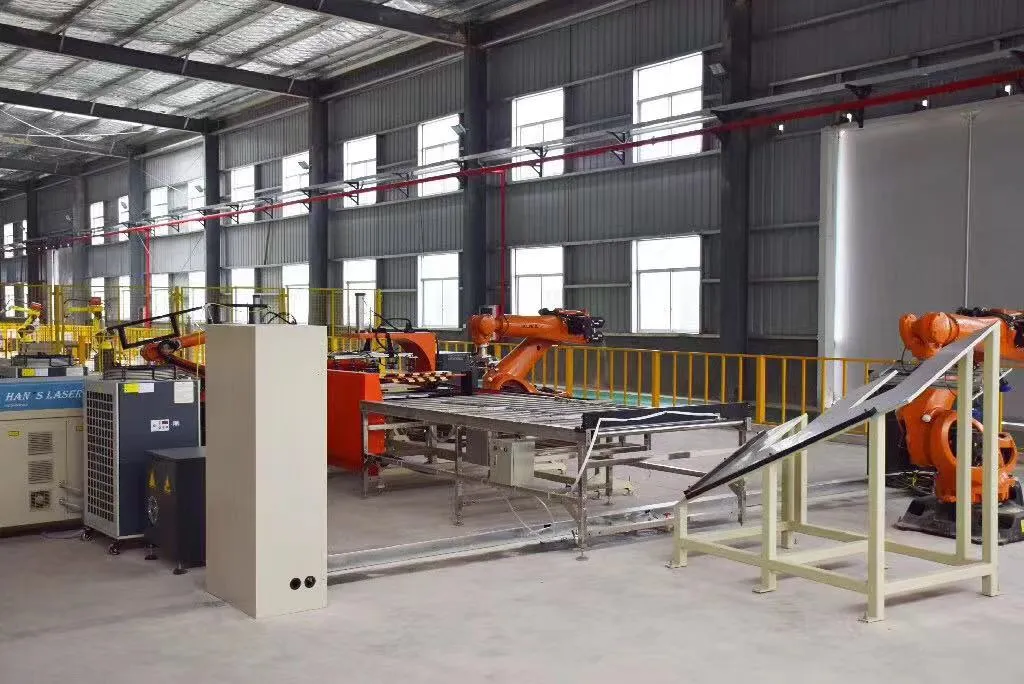
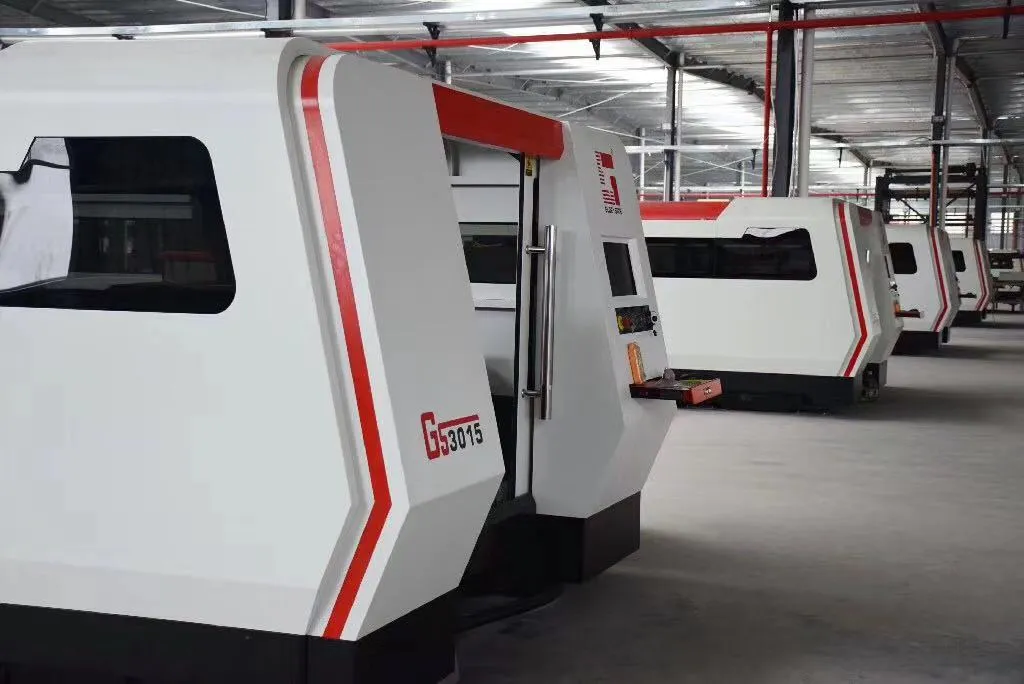

A die casting machine cycles in 20 to 40 seconds, and every cycle the screw air compressor for die casting must deliver full spray pressure to the die face. Let pressure dip for a few cycles and the die spray pattern breaks down: molten aluminum solders to the steel, the casting sticks, and you scrap a die insert worth thousands of dollars. The energy side is just as unforgiving. Running your compressor one bar above real demand adds about 8% to its power draw, every hour the machine is alive.
Why a Cheap Compressor Fails on a Die Casting Floor
Die casting is a spiky, dirty, hot duty cycle. Air demand does not hum along at a steady rate. It spikes every 20–40 seconds when the die spray nozzles fire, when the ejector pins knock the part free, and when the trim press clamps down. Between spikes, demand collapses. A fixed-speed machine sized for the peak idles at partial load for most of the cycle, burning power for air you are not using.
Then there is the heat. Molten aluminum is held around 650–700°C, and the air in the machine bay easily climbs past 40°C. A compressor rated for the standard 40°C ambient derates or trips exactly when the line needs it most. A unit designed for a 52°C ambient keeps producing full flow in that heat instead of shutting down mid-shift.
Finally, the dust. Die spray is atomized water and release agent, and fine flash and metal dust hang in the air. They load the intake filter fast. A restricted filter makes the compressor work harder for the same output — the same energy leak as climbing a full bar of pressure.
The 6 Specs That Keep Die Spray, Ejectors, and Trim Presses on Setpoint
- Specific power of 6.0 kW/(m³/min) or lower. Two-stage compression holds the gap: a 55 kW single-stage unit tests around 8.0 kW/(m³/min), while a two-stage unit of the same motor class runs around 6.0 kW/(m³/min).
- Variable speed drive (VSD) control. A variable speed screw compressor matches flow to the 20–40 second spike cycle instead of swinging between load and unload, which is where air and power get wasted.
- 52°C ambient rating, not the 40°C standard. The hotter the inlet air, the harder the compression. A 52°C design keeps output stable in a furnace-adjacent bay.
- Oversized, cleanable intake filtration. Cutting intake resistance from 1,600 Pa down to 800 Pa removes about 0.2% of lost power and keeps die-spray mist out of the air end.
- Full synthetic oil and an oil-cooled motor. In a hot, dusty bay these pull heat away together, protecting the air end and holding motor efficiency through long spray cycles.
- Hard piping and a 12-hour factory run-in. Die casting pressure cycling finds weak joints fast. Hard connections and a long run-in test catch leaks before the machine ever ships.
What 6.0 vs 8.0 kW/(m³/min) Really Costs You
Take a 55 kW two-stage unit rated at 6.0 kW/(m³/min): it delivers about 9.2 m³/min. A single-stage unit rated at 8.0 kW/(m³/min) needs roughly 73 kW to push the same flow — an 18 kW difference. On a 24/7 die casting schedule of 8,000 hours a year, the two-stage screw compressor avoids about 146,000 kWh of electricity. At $0.12 per kWh, that is more than $17,000 saved per year on one machine.
FAQ: What Die Casting Buyers Get Wrong
A single-stage unit is cheaper, so it must cost less. The purchase price is paid once; specific power is paid every hour for years. The 2.0 kW/(m³/min) gap above turns into roughly $17,000 a year — that dwarfs any upfront saving.
I will just run higher pressure to be safe. Every extra bar adds about 8% to power draw. Set the unit to the die spray and ejector minimum pressure, not a comfortable round number.
Do I even need a dryer? Yes. Die spray, ejector cylinders, and pneumatic valves hate moisture. Wet air rusts cylinders and thins the release agent on the die. A refrigerated dryer and coalescing filter keep the spray pattern consistent shot after shot.
Your Next Step
Give us three numbers — machine count, cycle time, and your current specific power or monthly kWh — and we will match a rotary screw air compressor to your peak spray demand without oversizing it into idle waste. Send the numbers today and get a spec sheet before your next die change.