

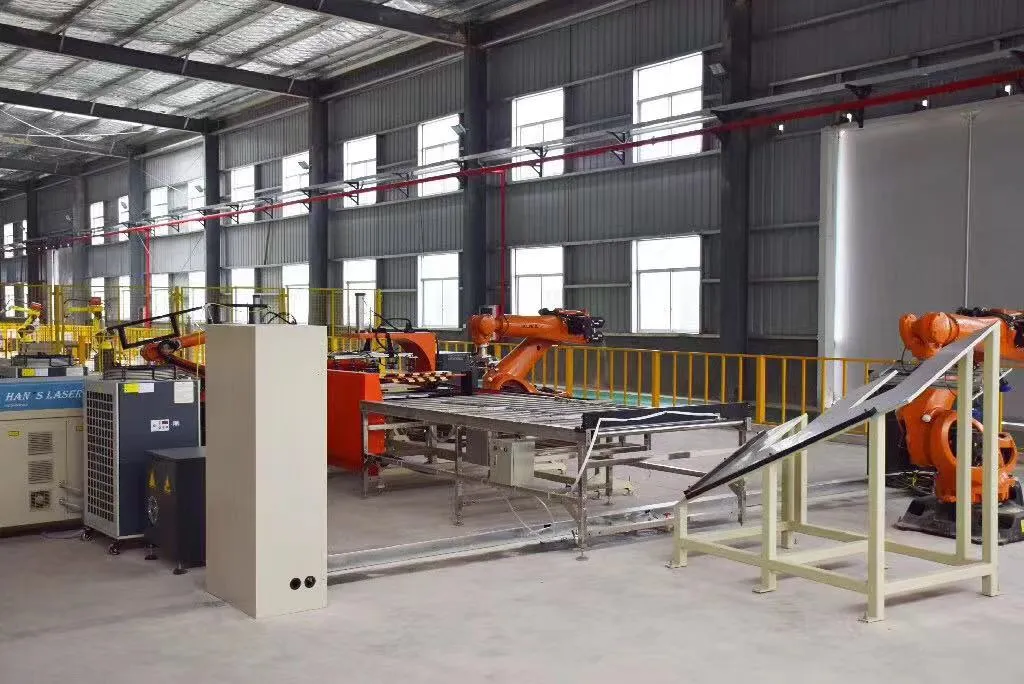
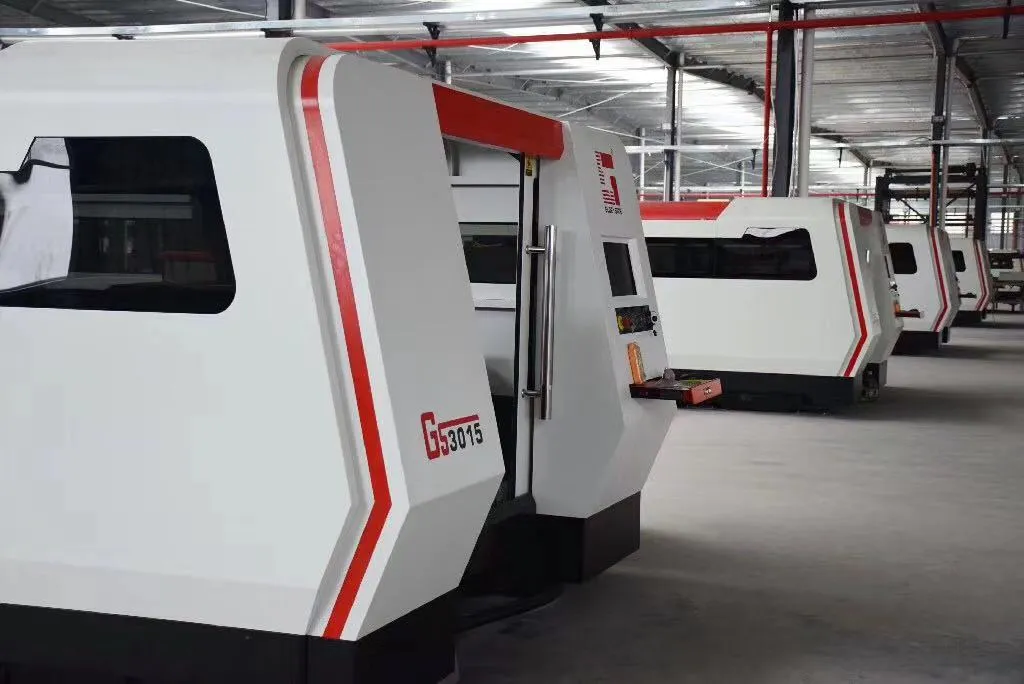

Glass dust is not ordinary dust. It is fine, hard, and abrasive, and it settles inside a standard screw air compressor until the air filter clogs, the airend runs hot, and the motor trips mid-shift. A glass fiber plant that lets inlet air climb to furnace temperatures and runs one extra bar of pressure can silently add 8% to its compressed-air power bill. The fix is not a bigger fan. It is a screw air compressor for glass fiber duty: filtered for fine dust, oversized for heat, and specified for 24/7 load.
Why a Standard Compressor Fails in a Glass Fiber Plant
Glass fiber lines run three hostile conditions at once: airborne silica dust from batch handling, radiant heat from the melter and forehearth, and continuous load because forming and winding never stop. A compressor rated for a clean 40°C room fails in predictable ways.
- Inlet filters choke fast, starving the airend and raising intake resistance.
- Coolers sized for mild ambient can no longer shed heat, so discharge temperature climbs.
- Dust works into bearings and seals, shortening airend and motor life.
- A fixed-speed machine keeps cycling between load and unload, wasting power at partial demand.
6 Specs That Keep a Glass Fiber Compressor Running
Specify these six items and most of the failure modes above disappear.
- High-dust inlet filtration. A filter that cuts intake resistance from about 1600 Pa to 800 Pa saves roughly 0.2% of input power before any other change.
- 20–30% oversized cooling. Larger coolers and optimized air ducts let the package run in 52°C ambient, well above the 40°C design point most plants assume.
- Two-stage compression. Splitting compression into two stages lowers the per-stage pressure ratio and brings specific power down to about 5.9–6.0 kW per m³/min on 55–90 kW units, versus 7.0–8.0 on typical single-stage machines.
- Permanent-magnet VSD motor. The drive trims speed to match real air demand, removes unloaded running, and improves motor efficiency by 10–15%.
- Sealed hard piping and oil system. Rigid piping and sealed filters, oil separator, and drain points keep glass dust out of the air and oil circuits.
- High-temperature discharge design and IoT monitoring. A two-stage package runs cooler discharge, around 80°C, and remote monitoring flags rising temperature or pressure before a shutdown.
What the Specific Power Numbers Save
Specific power is the number that decides your electricity bill: kW consumed per m³/min delivered. At 90 kW, a typical single-stage screw uses about 7.0 kW per m³/min, while a two-stage vertical package drops to about 5.9. That is roughly 16% less electricity for the same air, and the gap compounds over 8,000 running hours a year.
Two-stage compression is the largest single lever in the stack, worth about 8% of the total energy-saving program. Combined with VSD pressure trimming and cooler intake air, the full package commonly lands in a 20–50% energy-saving range against an old fixed-speed machine. See how a two-stage screw air compressor reaches that lower specific power.
Pressure and VSD: Two Levers You Control This Month
One extra bar of discharge pressure adds roughly 8% to power consumption. Many glass lines run 0.5–1 bar above what the process actually needs because the old compressor could not hold a tight band. A variable speed screw air compressor holds a stable pressure band and removes unloaded running, so you stop paying for pressure and idle time you never used.
FAQ: What Buyers Get Wrong
- Do I need an oil-free machine? Most glass fiber plants do not. Unless compressed air touches molten glass or a food-grade package, an oil-injected machine with good separation and filtration is enough and costs less to run.
- Should I just add a bigger air filter? Filtration helps, but dust is only one of three problems. Oversized cooling and two-stage compression matter more for 24/7 efficiency.
- How fast is the payback? On a 90 kW unit running three shifts, the 5.9 vs 7.0 kW per m³/min benchmark is often recovered in the first year of electricity savings.
Next Step
Start with your real numbers: current kW, running pressure, hours per year, and electricity rate. Compare them against the specific power benchmarks above, then choose a screw air compressor for glass fiber plants that is specified for dust, heat, and continuous load rather than a generic unit that will fail in its first hot season. Browse the rotary screw air compressor range to match a model to your air demand.