

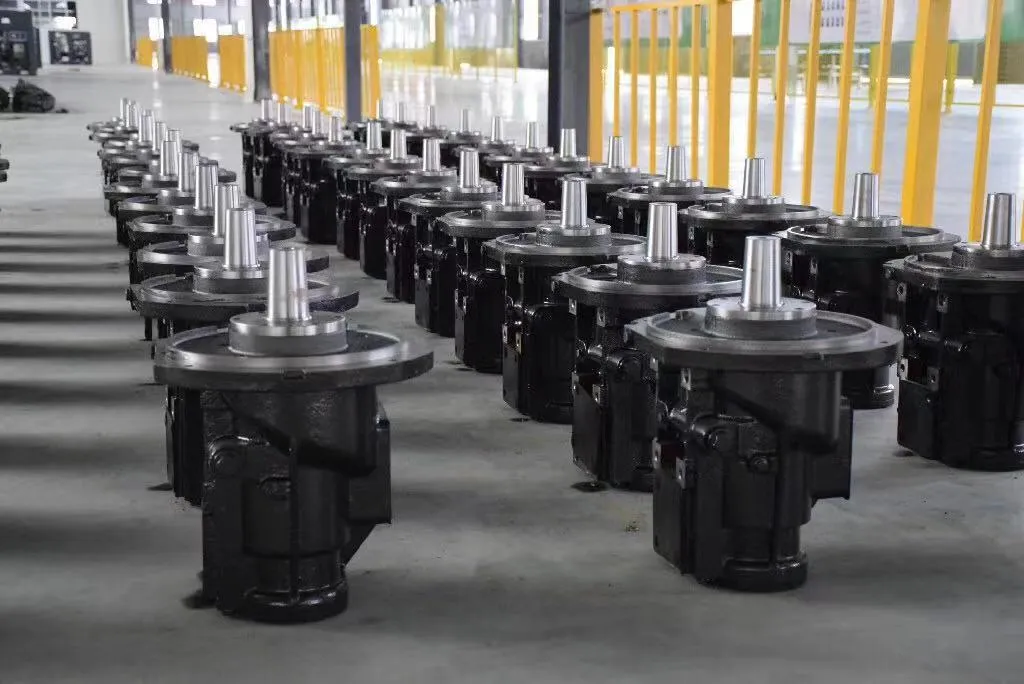
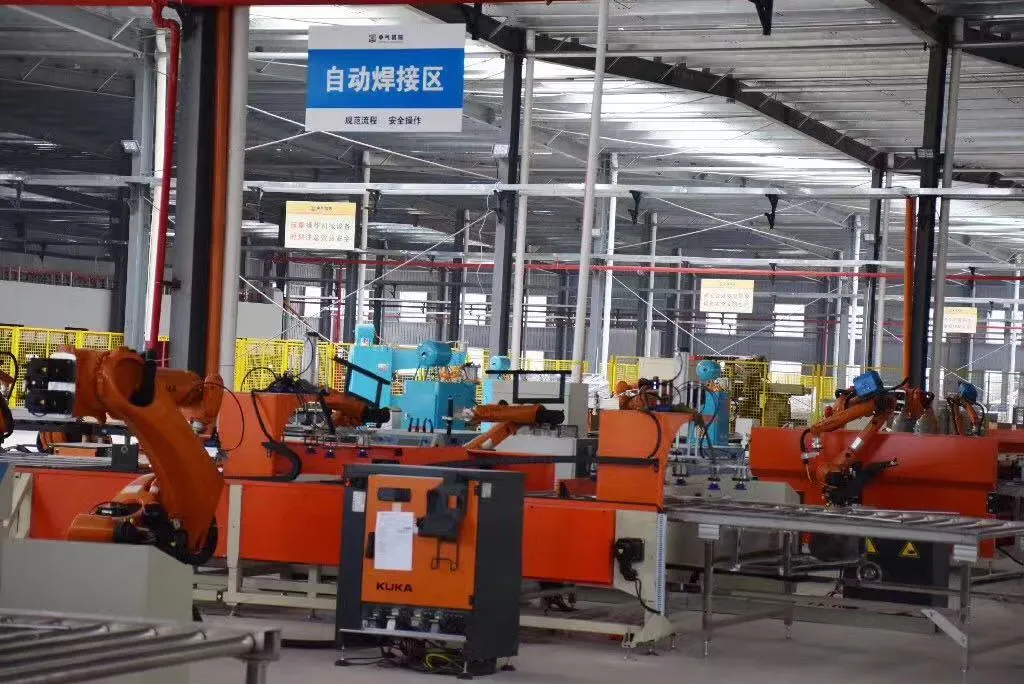
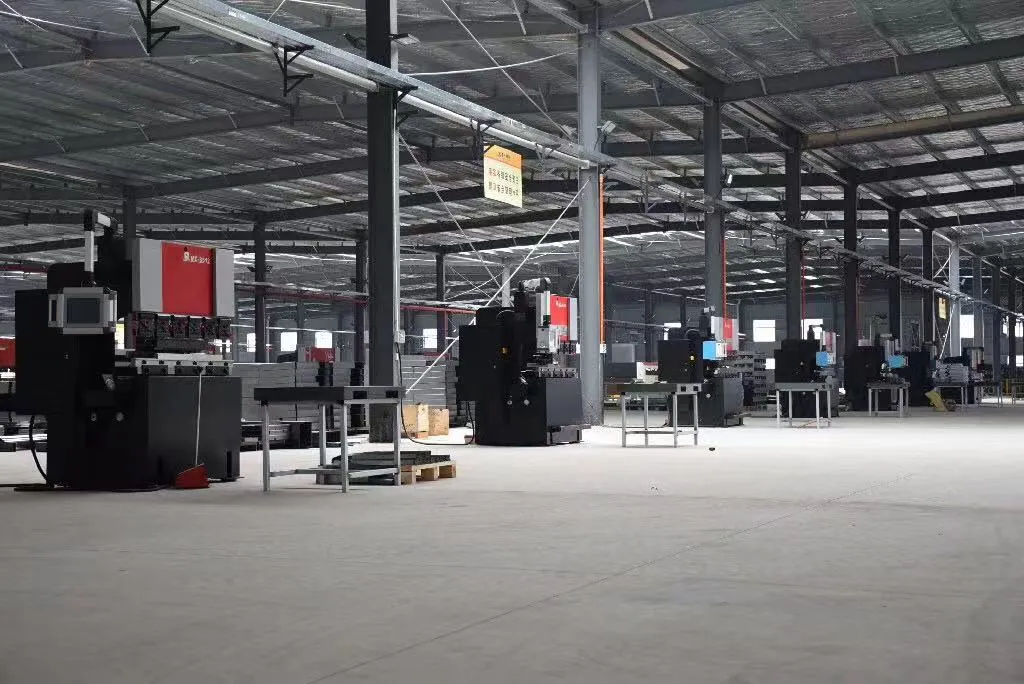
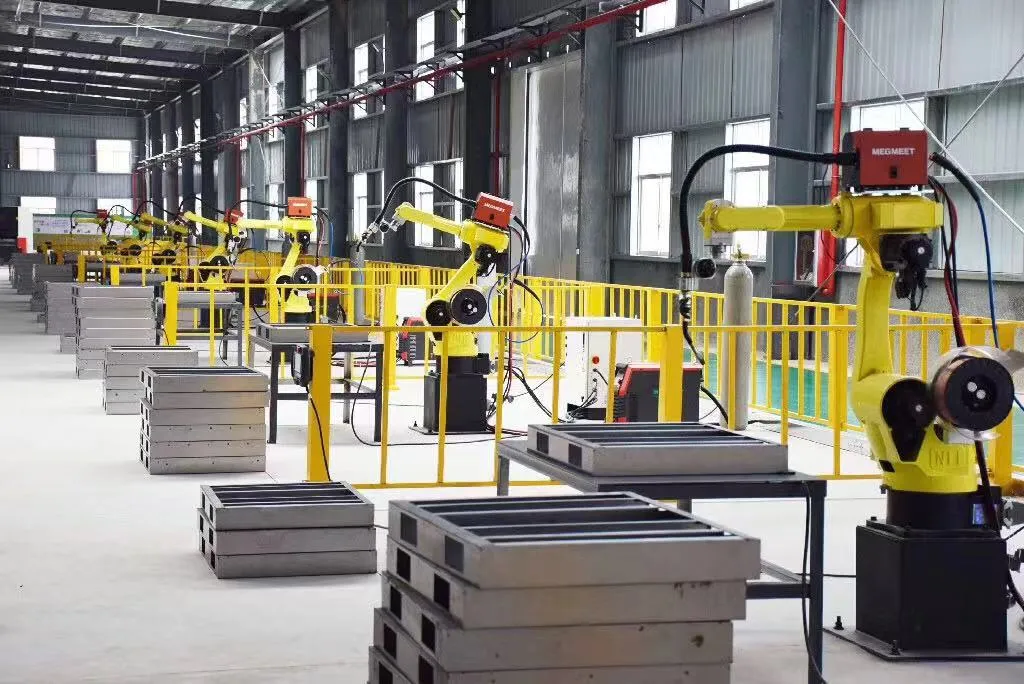

A compressor that trips on high temperature or pushes moist, oily air into a dry room costs a lithium battery plant far more than the machine price. One hour of stopped electrode coating idles an entire cell assembly line, and fixing a contaminated dry room can cost more than a new air dryer. Choosing the right screw air compressor for lithium battery plants is not about matching a kW number. It is about locking in six specifications so your air stays dry, stable, and cheap to produce.
What Bad Compressed Air Does to a Battery Line
Electrode coating, cell winding, and laser welding all depend on clean, constant-pressure air. Moisture in the lines reacts with electrolyte and ruins cell quality before testing ever catches it. Oil carryover settles on coating surfaces and fogs laser optics, which raises defect rates and shortens the life of expensive optical parts.
Pressure dips below your setpoint are just as damaging. Pneumatic cylinders stall mid-stroke, indexing conveyors jam, and an entire batch has to be reworked or scrapped. In a plant running three shifts, these small interruptions add up to lost output you cannot recover. Match the dryer to the dew point your line actually needs, and verify it under your hottest ambient conditions.
6 Specs to Lock In Before You Buy
- 52°C ambient design, not 40°C. Drying and formation rooms run hot. A machine engineered for 52°C keeps running when a standard 40°C-rated unit trips on high temperature.
- Constant-pressure variable-speed output. A narrow pressure band stops coating and assembly tools from starving every time demand changes.
- Oil-free air on critical lines. Where air touches electrode or cell surfaces, an oil-free screw unit keeps carryover away from the product.
- Quiet operation at 70±2 dB at 1 meter. Machines sit near cleanrooms and operators, so a quieter enclosure reduces complaints and operator fatigue.
- Two-stage compression for low specific power. On 55–90 kW units, two-stage machines reach about 5.9–6.5 kW/(m³/min), cutting the power needed per cubic meter.
- A 12-hour factory run test. A machine that has already run 12 continuous hours before shipment is far less likely to surprise you at startup.
The Energy Number That Pays for the Machine
Electricity is 70–80% of a screw compressor’s lifetime cost, so the specific power figure matters more than the sticker price. A single-stage unit consuming 7.4 kW per cubic meter per minute will cost you more over five years than a two-stage unit at 6.5 kW/(m³/min) moving the same air volume.
The right combination of two-stage compression, a permanent-magnet motor, and variable-speed control cuts total energy use by 20–50% against fixed-speed single-stage machines under real, fluctuating load. The two-stage architecture alone contributes about 8% of that saving by lowering the compression ratio in each stage, which reduces heat and wasted work.
That is the difference between a machine that pays for itself and one that quietly drains the power budget. Ask every supplier for specific power at your working pressure, not just the nameplate kW.
What Buyers Get Wrong
- Buying on kW alone. Two 75 kW machines can deliver very different free air delivery. Compare specific power and FAD, not the nameplate.
- Ignoring the dew point. A dryer that is too small turns battery-grade air into a moisture problem on hot afternoons.
- Skipping the run-in test. Unverified machines tend to fail in the first 500 hours, exactly when your line is busiest.
Each of these mistakes is avoidable with a one-page spec sheet and a supplier that can produce its own test data.
Your Next Step
Start with your line’s real air demand, pressure band, and required dew point, then match the machine to those numbers. For a deeper look at how two-stage and variable-speed machines cut power, see our rotary screw air compressor guide, compare oil-free options, and review variable-speed models.
Then request a specific-power comparison and a 12-hour factory test report before you pay. Getting the compressor right up front is the cheapest way to protect electrode quality and keep your power bill under control.