

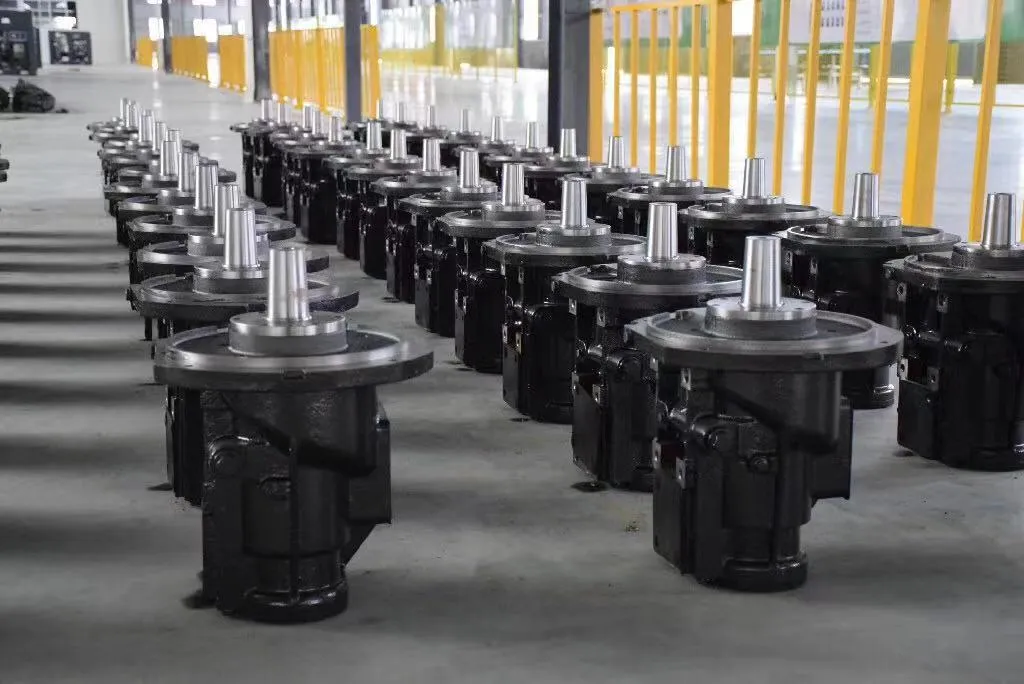
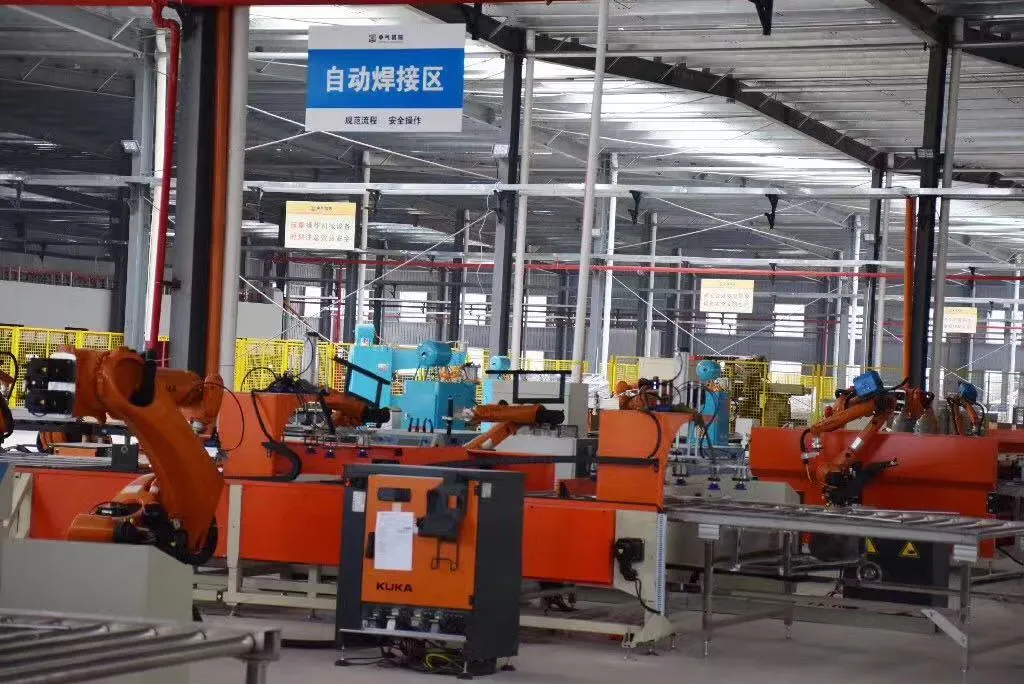
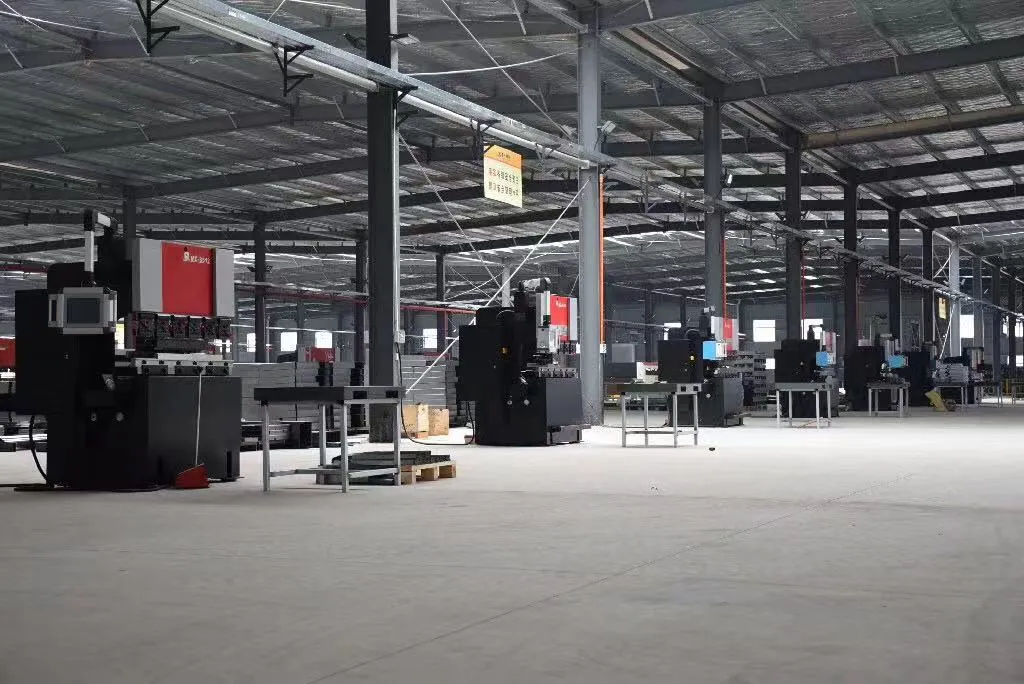
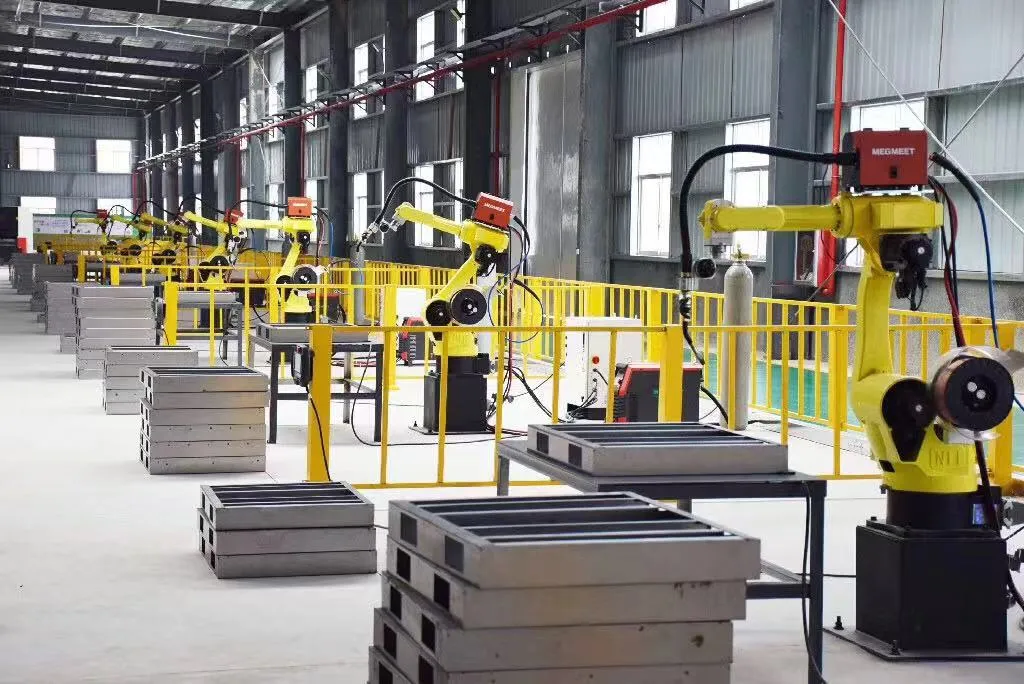
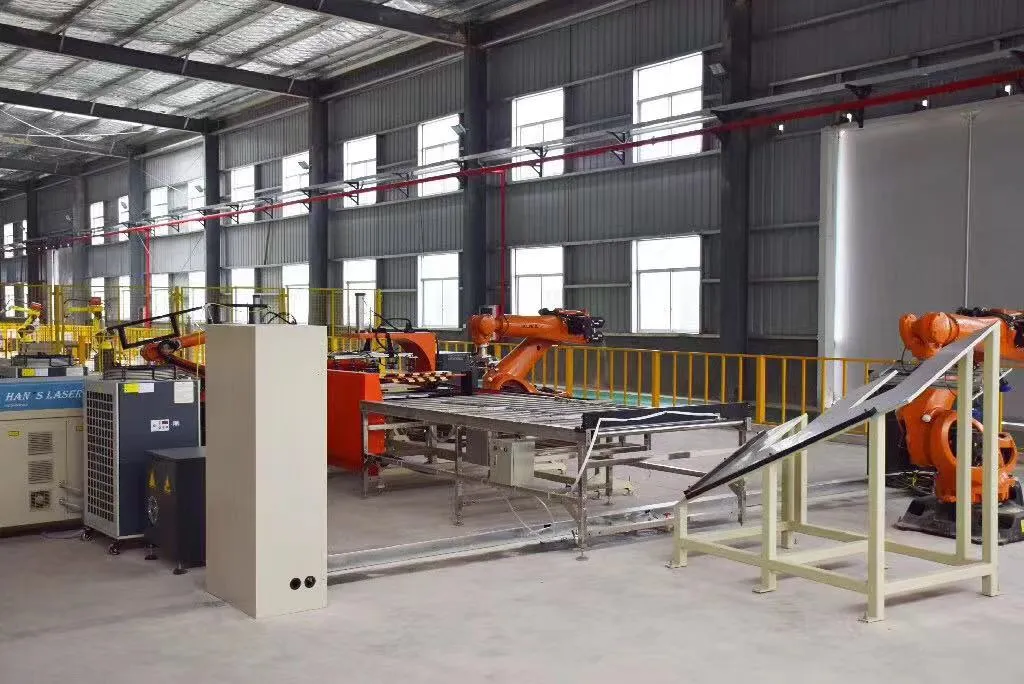
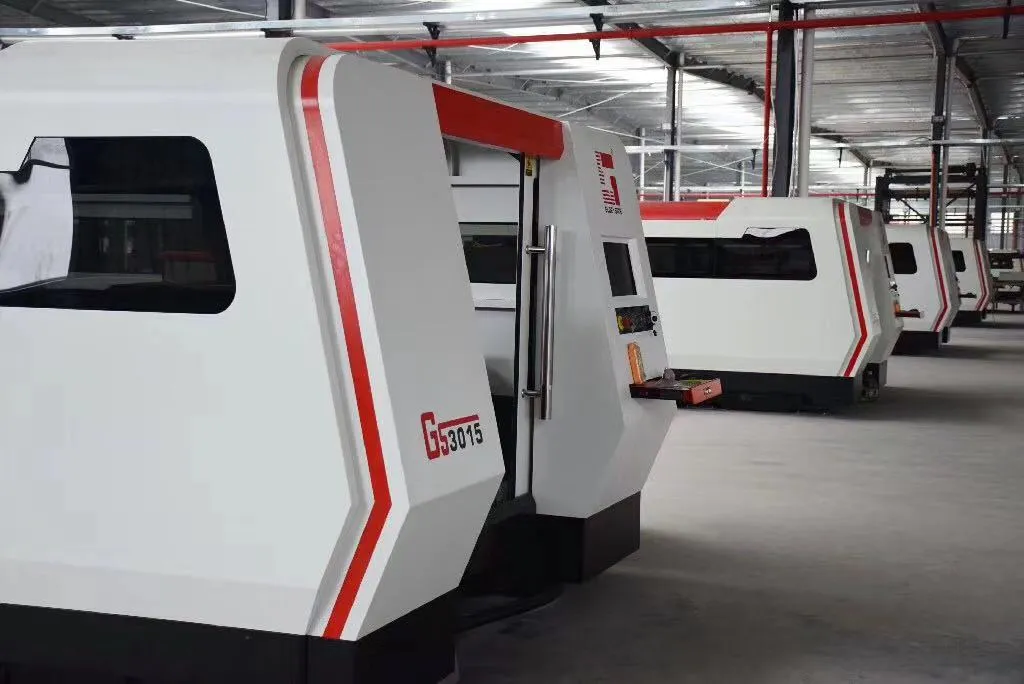

Every time compressed air pressure sags on an appliance assembly line, pneumatic screwdrivers lose torque, pick-and-place units drop parts, and the whole line stalls in seconds. Run that way 20 hours a day and a few short stalls a week quietly erase thousands of finished units. The fix is not a bigger machine — it is a rotary screw air compressor matched to the job. Choosing the right screw air compressor for home appliance manufacturing is less about buying more kilowatts and more about matching six specs to how the line actually loads compressed air. Get them wrong and you pay twice — once in lost output and once in electricity.
- Specific power and two-stage compression
- 52°C ambient cooling headroom
- Hard piping and a 12-hour factory test
- About 70 dB(A) line-side noise
- Clean, dry air for coating and leak testing
1. Match Capacity to Swinging Demand, Not Peak Burst Alone
Appliance plants rarely run one steady load. Stamping, injection molding, blow molding, leak testing, and final assembly pull air in bursts that swing from roughly 30% to 100% of rated flow within minutes. A fixed-speed unit sized for the biggest burst vents the surplus as heat for the rest of the shift. A variable speed screw air compressor follows the demand curve and slows the motor to the exact flow needed, which removes most idle and unloaded running from the shift.
2. Demand a 52°C Ambient Rating for Hot, Dusty Floors
Appliance plants combine powder-coating ovens, injection-molding heat, and heavy airborne dust. A machine designed only for a 40°C room starts tripping on high discharge temperature in summer and during the afternoon peak. Specify a compressor whose cooling circuit is engineered for a 52°C ambient and whose cooling system is oversized by 20–30% instead of sized to the bare minimum. That headroom is what keeps the machine producing at full output through the hottest hours.
3. Require Hard Piping and a 12-Hour Factory Run-In Test
Leaks are a tax on every kilowatt-hour. Threaded fittings and flexible hoses are the usual leak points, and they only get worse as the package vibrates. Hard piping removes most of those connections, while a factory run-in test of at least 12 continuous hours catches loose fittings, oil seepage, and hot spots before the unit ever ships. Put both requirements in writing — they are the cheapest insurance against an installation that leaks air from day one.
4. Keep Line-Side Noise at About 70 dB(A) at 1 Meter
Appliance assembly halls often place the compressor near the line to shorten pipe runs and reduce pressure drop. A loud unit becomes a safety and morale problem, and some sites face permit or noise-fine limits. With panels closed and measured at 1 meter, a well-damped screw compressor should read around 70 dB(A) — close to normal conversation — using vibration isolators, an enclosed fan shroud, and sound-deadened panels. Measure it on your own floor before you sign.
5. Compare Specific Power, Not Just Purchase Price
Two machines can both be labeled 55 kW and still deliver very different amounts of air. The number that separates them is specific power, expressed in kW per m³/min. Single-stage units commonly land near 7–8 kW/(m³/min), while a well-built two-stage screw air compressor can reach roughly 6 kW/(m³/min) or below. On a mid-size machine running 8,000 hours a year, that gap is worth tens of thousands of dollars across the compressor’s service life. Ask every supplier for tested specific power at your working pressure, not the catalog number.
6. Confirm Clean, Dry Air Before Powder Coating and Leak Testing
Two appliance processes punish wet or oily air. Powder-coating guns spit and leave fisheye when oil and moisture slip into the line, and leak testing of sealed refrigerator or air-conditioner components returns false passes and false fails when the test air is contaminated. Match the dryer, filters, and oil separation to your ISO 8573-1 target and get the outlet dew point and oil carryover written into the quote. Cutting this corner turns a cheap air system into a rework line.
Objection: Is a Two-Stage or VSD Machine Worth the Higher Upfront Cost?
Usually yes, if the line runs more than a few thousand hours a year. Energy is roughly 70–80% of a compressor’s lifetime cost, so a 20–50% reduction in energy use pays back a 15–30% higher purchase price within a year or two. The exception is a very low-duty line that runs only a few hours a day — there, a correctly sized fixed-speed machine is the honest recommendation.
Choose a screw air compressor for home appliance manufacturing the way a plant engineer would: by specific power, ambient rating, leak-proof construction, noise, and air quality — not by the lowest sticker price. Verify the factory test report, compare tested specific power at your working pressure, and the line stalls and the power waste both disappear.