


A 10,000-hour screw airend that starts knocking is a management decision, not a maintenance task. Wait too long and a failed rotor can destroy the casing, turn a rebuild into a replacement, and leave a production line without air for weeks. The real question is not whether to act, but which repair path gives you lower total cost and a reliable duty cycle.
Three Physical Signs Your Air End Needs Attention
- Oil carryover rises even though the separator and filters have just been changed.
- The unit develops a new high-frequency whine or rotor knock under load.
- Full-load air delivery drops or specific power climbs at the same pressure and speed.
Any one of these signals calls for a diagnostic. Oil analysis and vibration readings usually confirm the condition before you commit to a screw compressor air-end replacement or rebuild.
Overhaul vs. Replacement: What You Are Really Buying
An overhaul typically replaces bearings, seals, o-rings and gaskets, then re-sets clearances on serviceable rotors. It costs less up front, but it only makes sense when the rotor profiles and casing bores are still within tolerance. A full screw compressor air-end replacement costs more immediately, yet it restores the compressor to new-machine clearance and often comes with a factory warranty on the complete airend.
When an Overhaul Makes Sense
- The airend has predictable, localized wear and no rotor-to-casing contact.
- The failure was caused by contaminated oil, not by starved lubrication or overheating.
- You can verify shaft and bearing journals with a certified service report.
When Replacement Beats Rebuilding
- Rotor coating is scored or the male and female rotor clearances are out of tolerance.
- The casing bore is worn, cracked, or has been overheated.
- The unit has failed more than once after a previous rebuild.
In these cases, rebuilding again is usually false economy. The rotary screw air compressor airend is the highest-precision assembly in the package, and a marginal repair can cost more in lost efficiency than the difference between rebuild and replacement.
What to Demand from a Service Provider
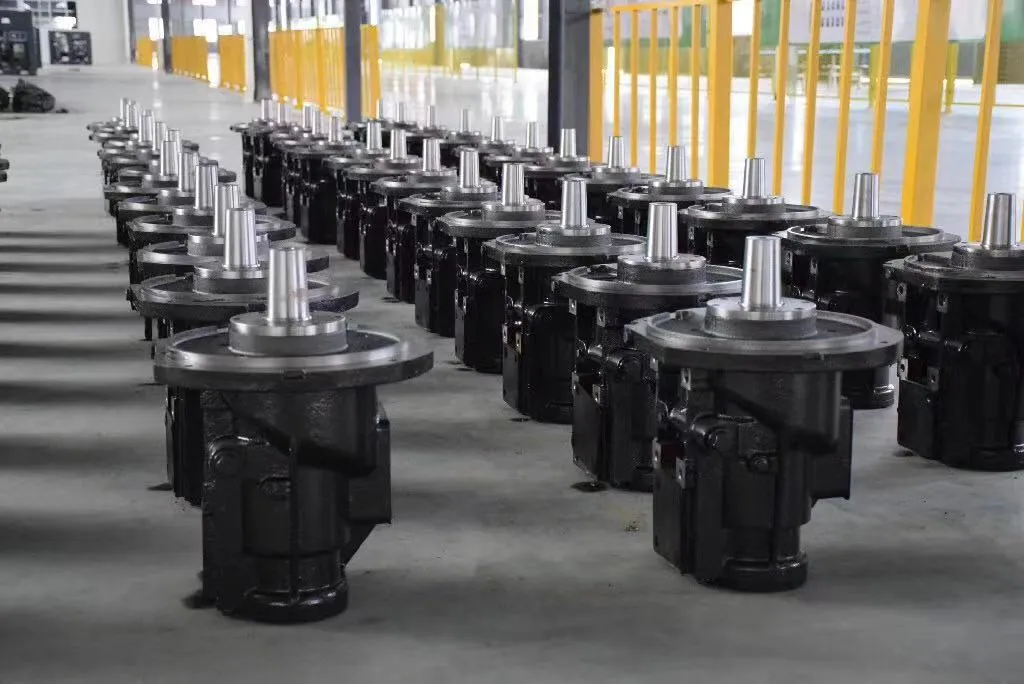
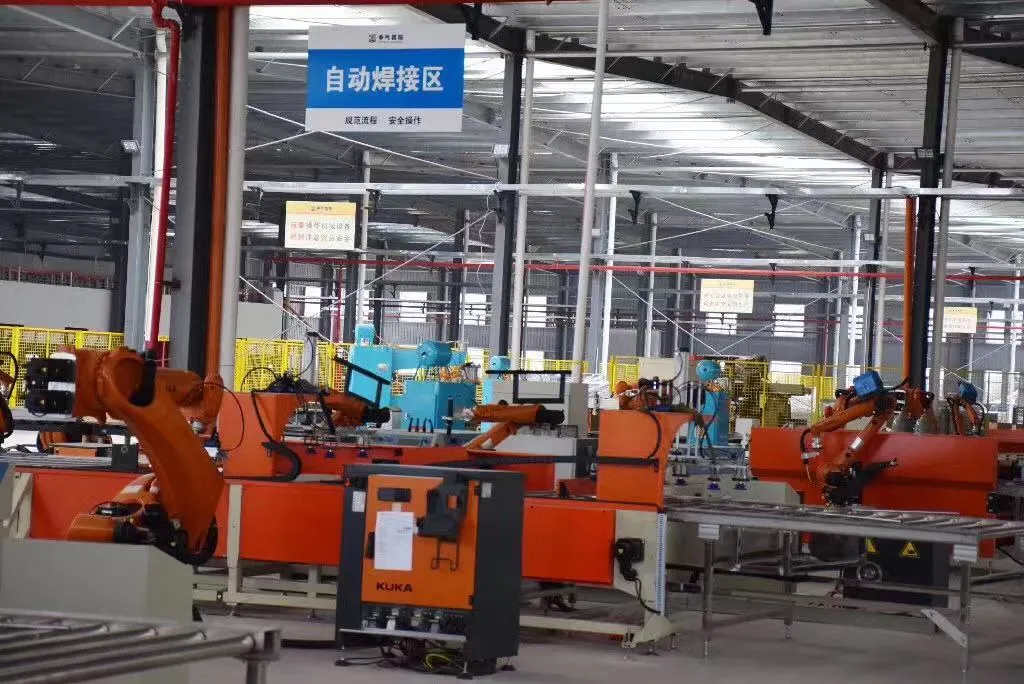
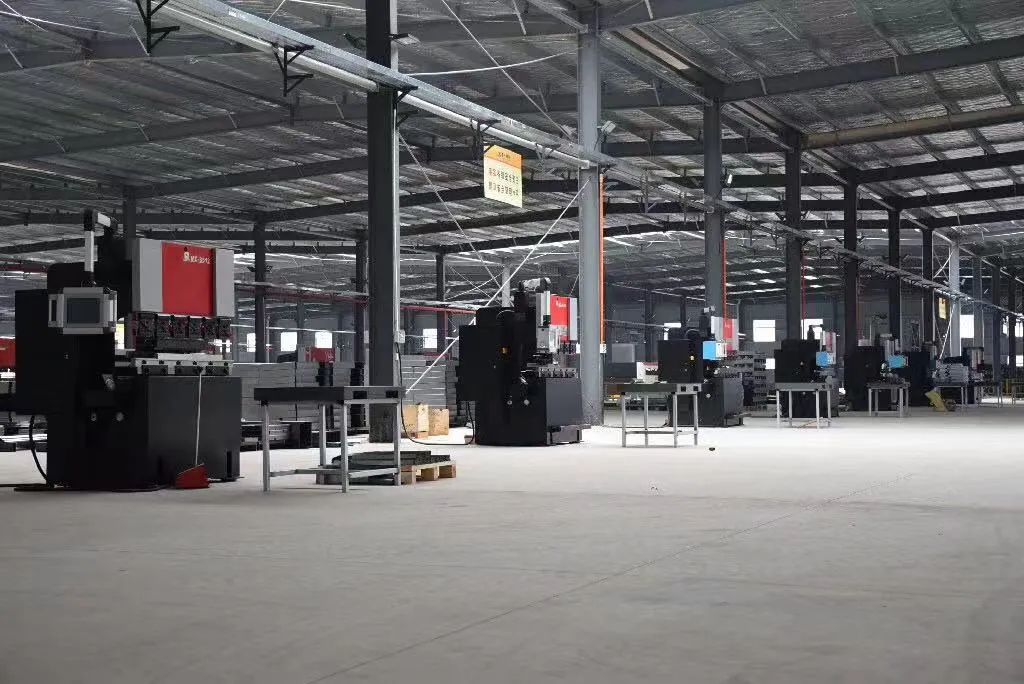
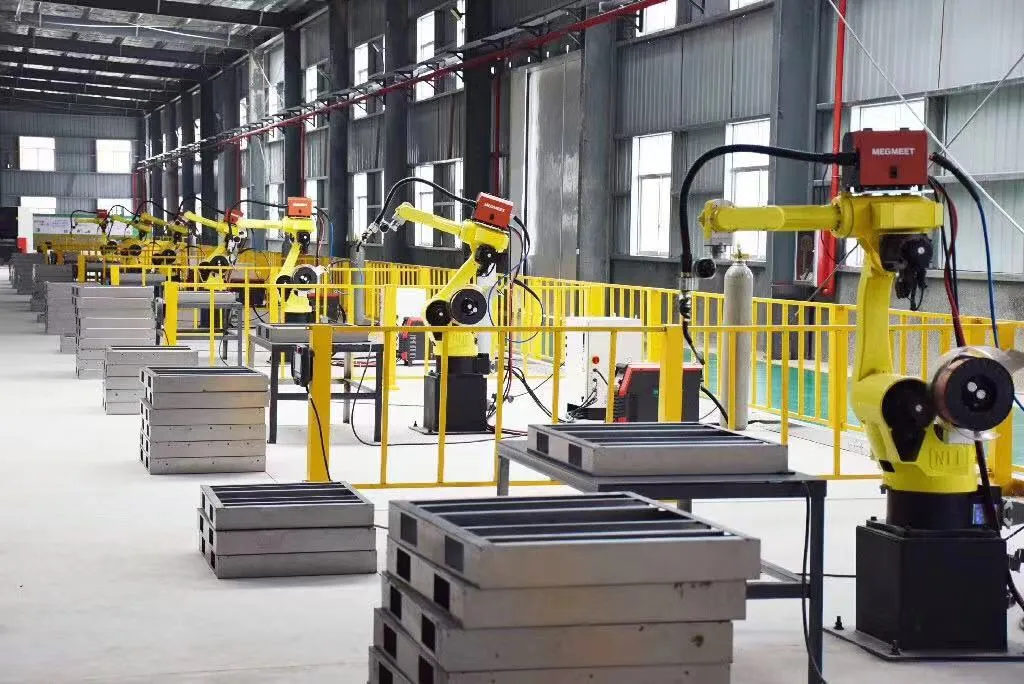
Panrui builds for continuous duty rather than showroom performance. Airends carry a 2-year warranty, and machines are run through a 12-hour continuous test before delivery to catch early failures before they reach your floor.
Cost, Lead Time, and Lifespan Compared
- Overhaul: lower initial cost, but remaining life depends on rotor and casing condition.
- Replacement: higher capital cost, but returns to new clearance and full factory warranty.
- Lead time: a rebuild is often faster than a new airend, but a rushed rebuild rarely pays.
Prevent the Next Airend Failure
Most airend failures are lubrication or temperature problems in disguise. Watch oil analysis for rising wear metals, keep oil at the recommended operating temperature, and treat every overheat alarm as a signal that the airend has already absorbed stress. Panrui machines are engineered for 52\u00b0C ambient operation, which gives the airend more thermal margin in hot, dusty plant rooms. A bearing that fails under load can quickly escalate into rotor-to-casing contact, so monitoring is cheaper than either repair path.
Bottom Line: Decide from Data, Not from the Repair Quote Alone
Compare rebuild cost plus expected remaining life against replacement cost plus warranty and energy performance. If the airend has high hours, evidence of overheating, or rotor damage, choose a factory screw compressor air-end replacement. If the damage is localized and verifiable, a controlled rebuild can extend the unit at lower capital cost. Either way, confirm the decision with oil analysis and vibration data before the rotor makes the choice for you.
Need help matching a replacement airend or evaluating your failed unit? Review the rotary screw air compressor range and compare the specifications that matter for your plant.