


A geared two-stage screw compressor already uses about 15% less electricity than a single-stage machine at the same duty. But if both stages are driven through a gearbox, that gear train still eats 1–2% of the input power. A gearless two-stage screw compressor with two independent permanent-magnet motors deletes that loss completely, and measured retrofit data puts the extra saving at 6–13%.
On a 75 kW unit running 6,000 hours a year, a 6–13% delta is thousands of kilowatt-hours that never appear in a catalog, because the brochure shows only one number: specific power. Before you sign, check how the two stages are driven, not just how many stages exist.
Two Ways to Drive a Two-Stage Host
Two-stage compression splits the pressure ratio across two rotors so each stage does less work, adds roughly 13–15% more air per kilowatt, and keeps discharge temperature near or below 80°C instead of 100–120°C. The drive system decides how well that design is used.
- Gear-driven host: one motor spins a gearbox that turns both stages at a locked ratio. Transmission efficiency runs about 98–99%.
- Gearless twin-motor host: two independent permanent-magnet motors, no gearbox, and each stage varies its own speed to hold the ideal interstage pressure.
A gearbox is mature and cheap to buy, but it freezes the relationship between the two rotors. When demand drops, the low-pressure stage cannot be trimmed independently, so the machine keeps compressing air the plant does not need.
Where the Extra 6–13% Comes From
Independent motors deliver savings a gearbox cannot reach. Removing gear friction is the obvious part: measured gearless systems save 6–13% on top of an already efficient geared two-stage host. The bigger part is control.
- 6–13% — measured extra saving of a gearless twin-motor host over a geared two-stage host.
- Up to 30% — total saving versus an ordinary single-stage machine.
- 29% — a real retrofit case where a twin-motor two-stage unit replaced single-stage compressors.
Each 10°C removed from the intake air trims about 3% of power, because cooler air is denser and takes less work to compress. With two variable-speed motors, the interstage pressure and the intercooler stay at their best point across the load range instead of one locked speed.
What Buyers Get Wrong
- “A 1–2% gear loss is too small to care about.” Spread over 8,000 hours a year, it becomes a permanent line on the power bill — and it is exactly the loss a gearless host removes.
- “Gearless means complex and fragile.” Two permanent-magnet motors with no gearbox oil, no gear wear, and no gear rebuild can be simpler to service than a geared drive.
- “Independent motors need oversizing.” Each motor is matched to its stage’s actual share of the load, so total installed power stays close to real demand.
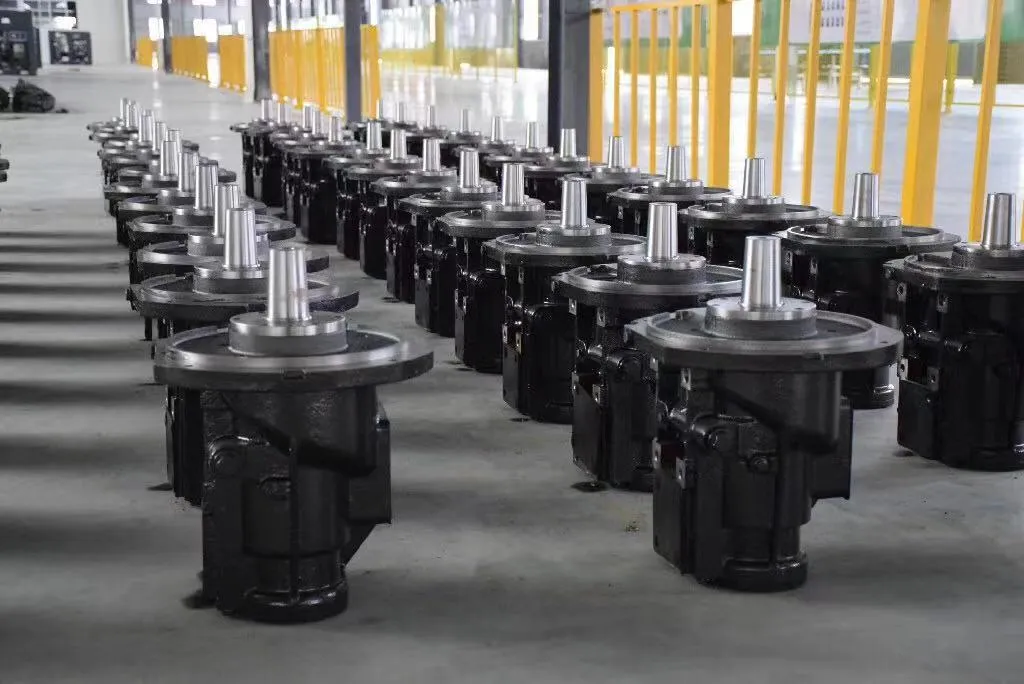
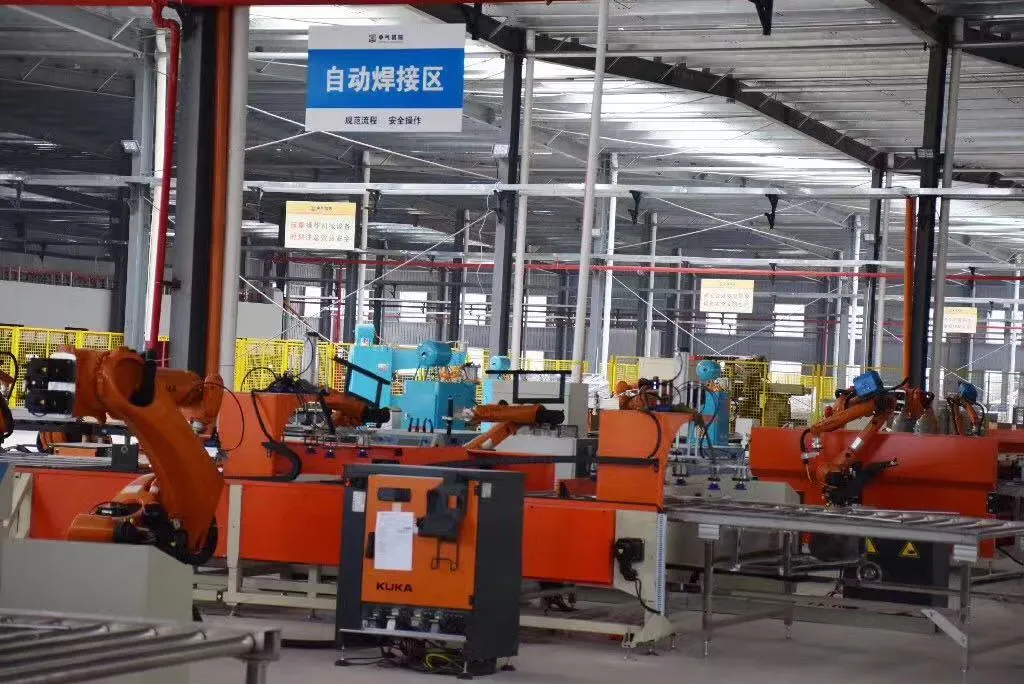
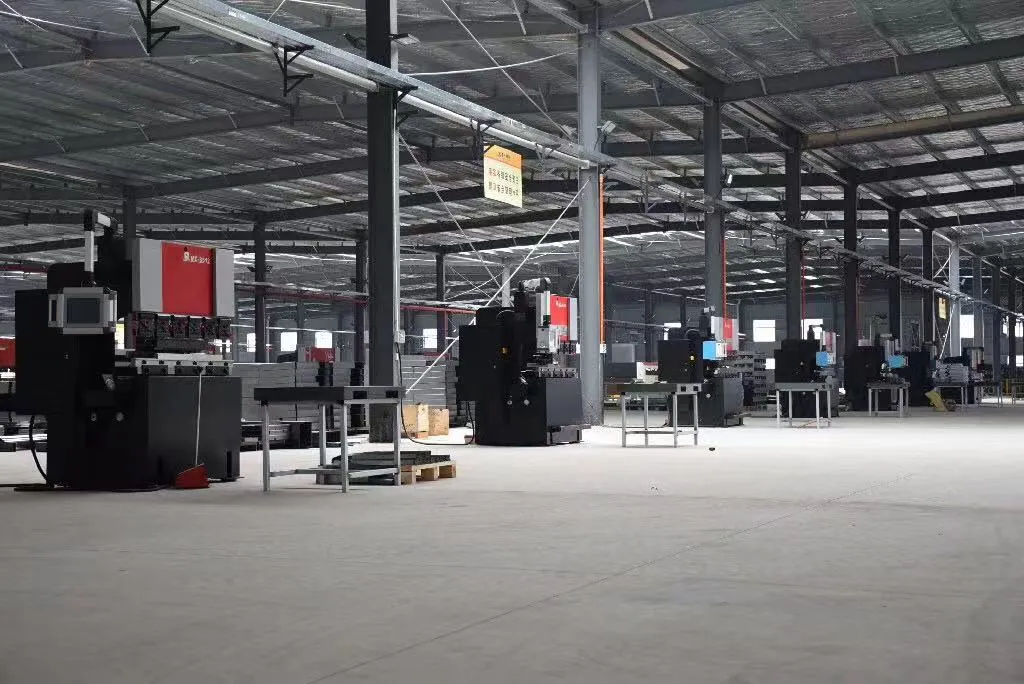
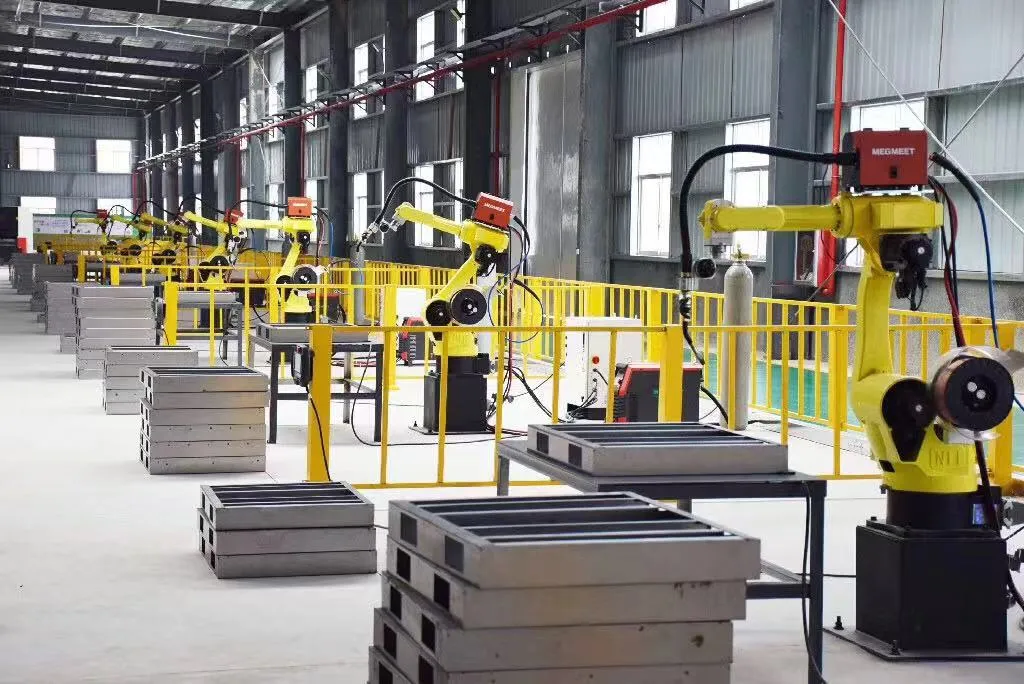
A well-run factory ships both designs only after a 12-hour run-in test, so the difference shows up in operation, not in the brochure. The decision is a lifetime-cost question: a gearless host costs more up front and pays it back through the power meter.
How to Verify the Drive Before You Pay
Write these checks into the quotation review, and ask the supplier to answer them in writing.
- Ask for the interstage pressure curve at 50%, 75%, and 100% load.
- Ask for measured specific power (kW/m³/min) for the exact configuration, not a brochure value.
- Confirm both stages are driven by independent permanent-magnet motors, not a single motor wearing a “twin” label.
- Ask for one reference case with a before/after kWh bill from a similar duty cycle.
If you are comparing two-stage quotes, add one question to your RFQ: is the host gear-driven or gearless twin-motor? For help matching a drive system to your load profile, start with our rotary screw air compressor guide, review the two-stage range, and compare variable speed options — or send us your duty cycle and we will return a side-by-side kWh estimate.