

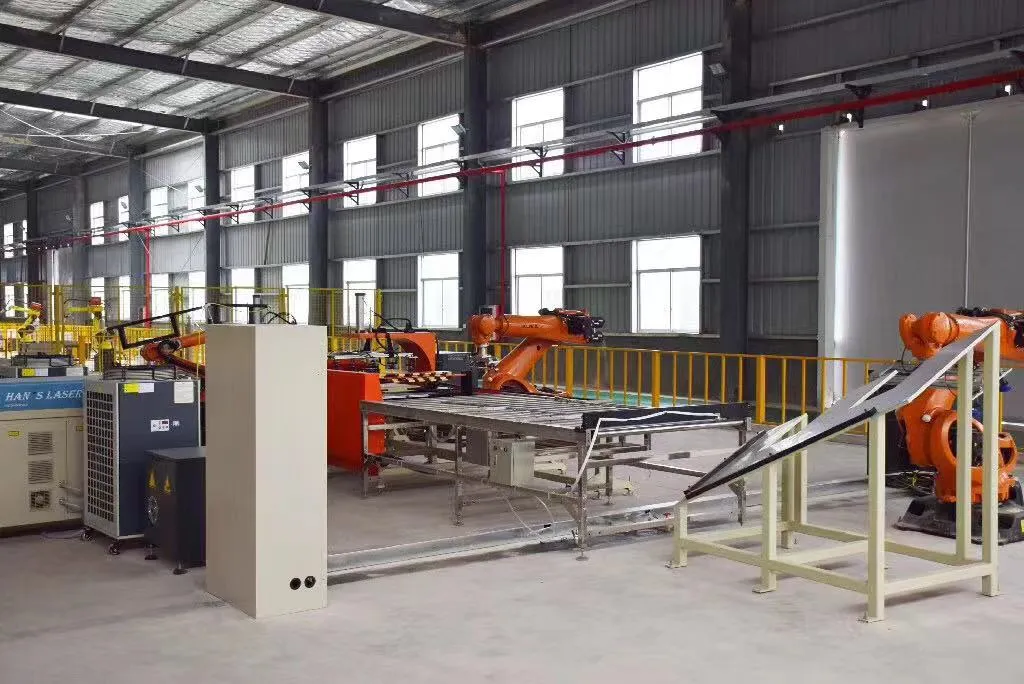
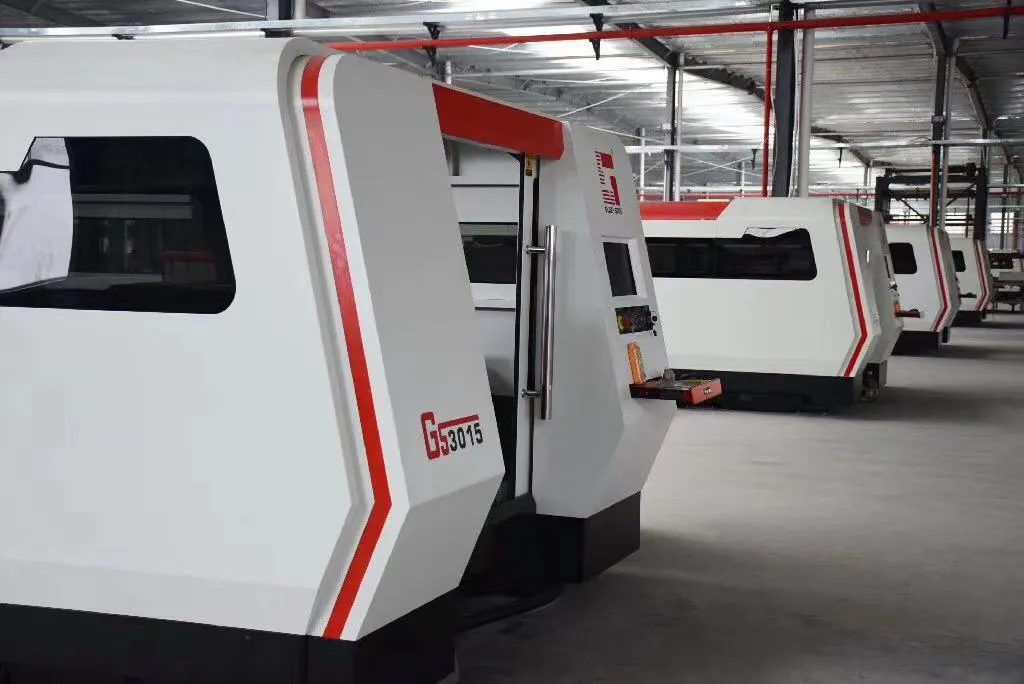

An 85 dB compressor beside the production line is not background noise—it is a compliance, safety, and productivity problem. Screw air compressor noise reduction starts before acoustic foam, with machine design, installation, and duty-cycle choices.
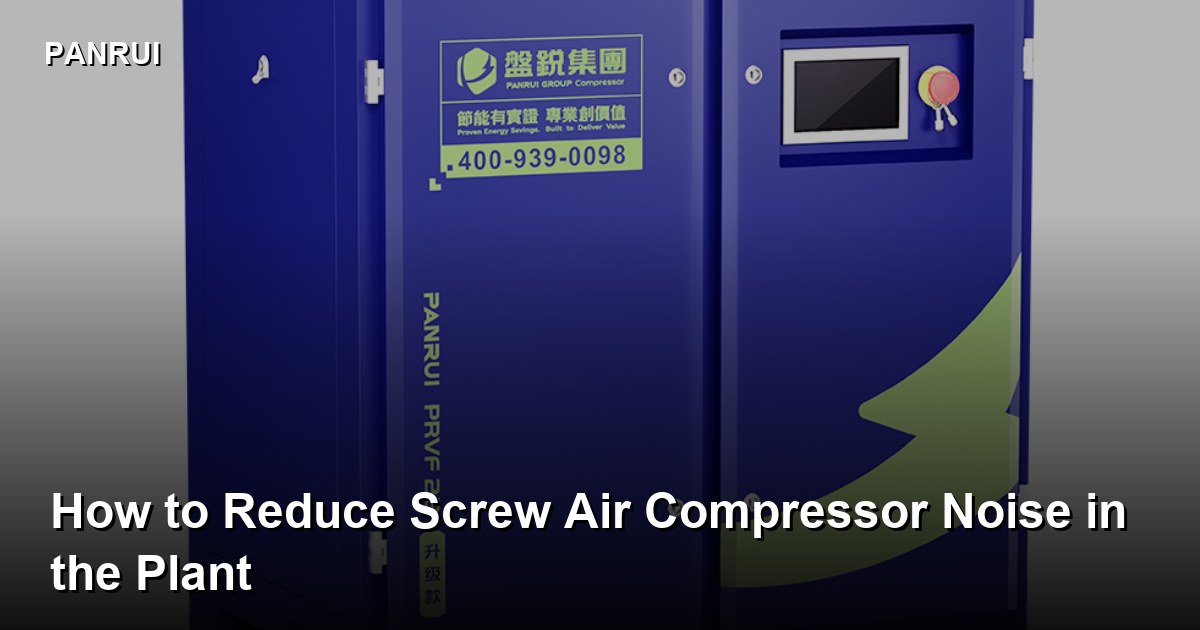
Why Screw Compressor Noise Becomes a Real Problem
Long shifts near 85 dB can trigger hearing-protection rules, worker fatigue, missed alarms, and complaints from nearby workshops. The hidden cost is not the decibel reading; it is the rework caused when operators cannot hear a leak, a failing bearing, or an alarm before the fault stops production.
Noise also travels through structure. A vibrating air end sends energy into the floor, walls, and pipework, so a machine that is loud at 1 meter can be felt three rooms away. The fix has to address both airborne noise and structure-borne vibration.
Screw Air Compressor Noise Reduction: Six Fixes That Work
- Choose a lower-vibration air end. Two-stage compression divides the pressure rise into two smaller steps, reducing rotor and bearing force. The result is less structure-borne vibration from the start.
- Insist on integrated noise control. Look for shock-absorbing mounts at key connection points, a fan shroud that absorbs fan noise, sound-deadening panels, and a semi-enclosed cabinet that isolates noise before it leaves the enclosure.
- Verify the 1-meter noise figure. Panrui low-noise screw compressors are tested at 70±2 dB at 1 meter with the access panels closed—roughly the level of normal conversation.
- Isolate the installation. Use anti-vibration pads, flexible inlet and outlet connections, and vibration breaks on pipework. Keep the room ventilated so the unit does not run hot while the enclosure does its job.
- Match the unit to real demand. A compressor that constantly cycles or runs oversized at low load wastes energy and generates avoidable noise. Right-sizing reduces both operating hours and sound exposure.
- Replace old, noisy equipment before it fails. Modern direct-drive two-stage designs eliminate gear-mesh noise and extend air-end life. A two-stage rotary screw air compressor is a quieter platform for 24/7 plants.
The Quieter Design Behind the 70±2 dB Result
The measurable difference comes from the machine, not just the room. In Panrui low-noise screw compressors, four details work together: cushioned connection points reduce vibration transfer, a fan shroud absorbs part of the fan noise, sheet-metal panels carry sound-insulating material, and the semi-enclosed structure contains the remaining noise.
The vibration target is specific: velocity stays below 2.8 mm/s, which limits the structure-borne noise that reaches floors and walls. For the two-stage series, the lower load on each rotor stage also supports a design air-end life of 150,000 hours, compared with about 100,000 hours for a typical single-stage air end.
Before You Build a Sound Enclosure
An enclosure can help, but it should not be the first purchase. Seal air leaks, fix loose panels, replace blocked filters, and check for worn bearings first—these faults raise noise and hide the real maintenance issue. Then treat the room with absorption or barrier materials only where the measured level still exceeds your plant limit.
FAQ: Screw Air Compressor Noise Reduction
- Is 70 dB safe for a full shift? At 70 dB the sound is comparable to normal conversation. Many regulations require a hearing-conservation program around 85 dB over an 8-hour shift, but always run a plant-specific noise assessment.
- Do I need a full acoustic enclosure? Not automatically. Start with a low-vibration machine, isolation mounts, and basic room treatment. Add an enclosure only if the remaining level is still above your limit.
- What maintenance makes a compressor louder? Blocked filters, belt wear, loose panels, failing bearings, and air leaks all raise noise. Service these before spending on acoustic upgrades.
- Does two-stage compression reduce noise? Yes. Lower per-stage pressure ratio reduces rotor load and vibration, and direct-drive two-stage designs also remove gear-mesh noise.
Reduce Noise and Stop Paying for the Problem
Screw air compressor noise reduction is a system decision: choose low-vibration design, verify the 1-meter noise figure, isolate the installation, and maintain the unit. A compressor rated at 70±2 dB turns noise from a plant problem into normal conversation. Start with the right rotary screw air compressor, then make the installation and maintenance match it.
Need help selecting a quieter screw compressor for your plant? Contact us for a load-and-noise review.