


Food, beverage, and pharmaceutical plants must control the risk of oil contamination in compressed air. Choosing between oil-free and oil-injected screw compressors is not only a technical decision; it is also a compliance decision that affects product safety and audit results.
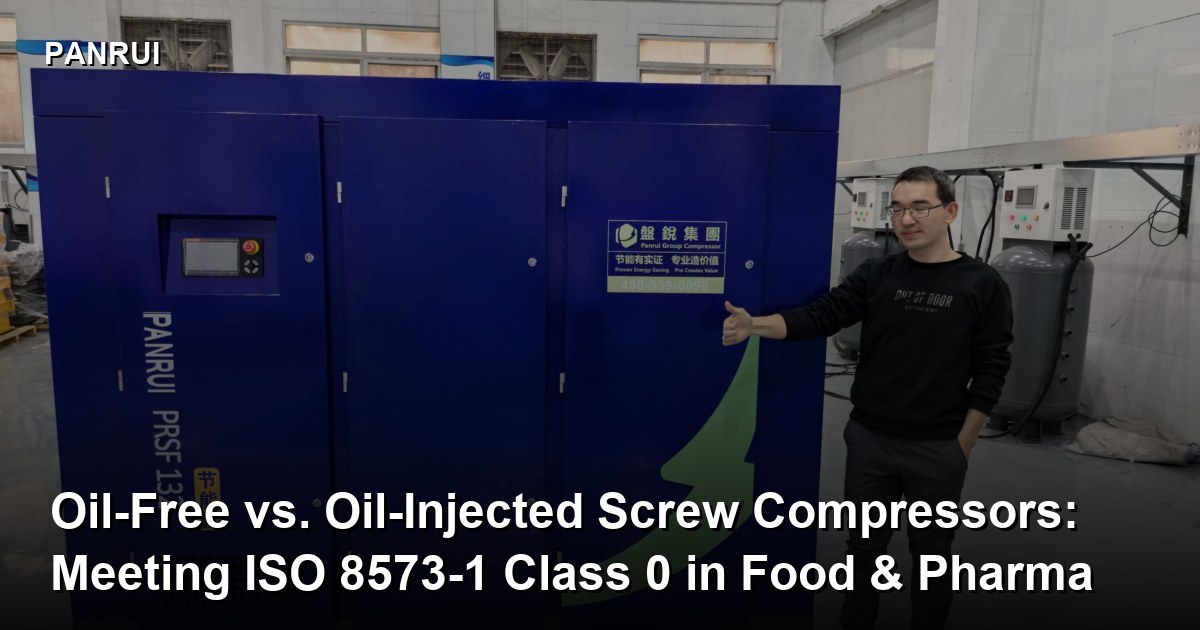
What ISO 8573-1 Class 0 Means
ISO 8573-1 classifies compressed air purity by oil, water, and particle content. Class 0 is the most stringent oil classification and is frequently specified in food and pharmaceutical applications. Meeting Class 0 requires a documented system design rather than simply using a filter and hoping the result is acceptable.
Oil-Free Technology Options
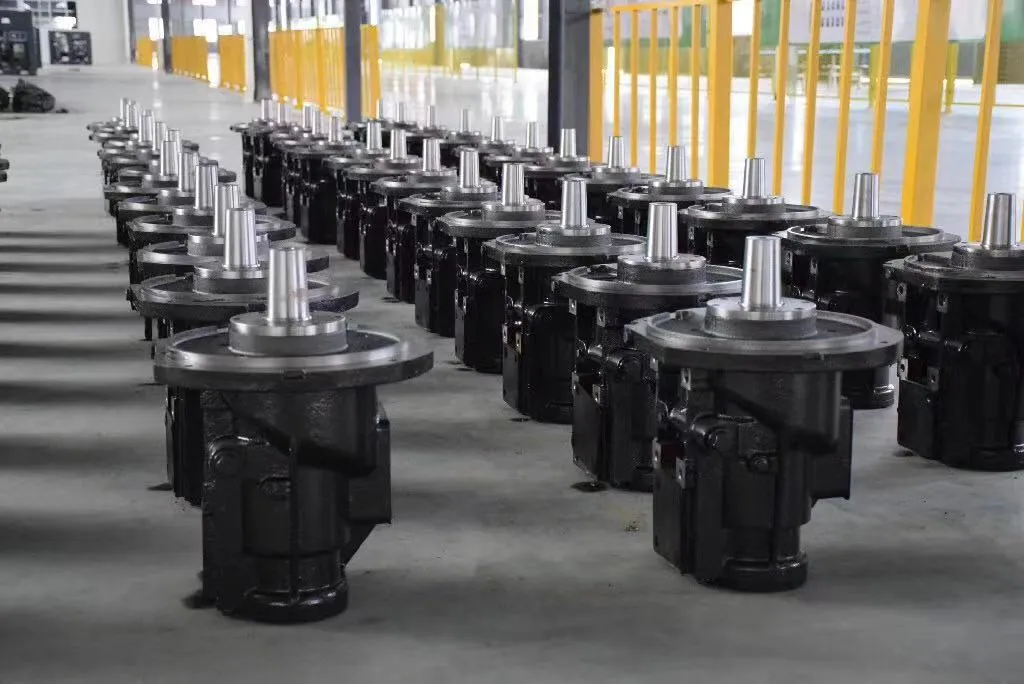
- Dry oil-free screw compressors: the compression chamber is separated from the oil-lubricated gear and bearing areas.
- Water-lubricated screw compressors: water replaces oil inside the compression chamber, providing cooling, sealing, and lubrication.
- Certified packages: an oil free screw air compressor package may combine the compressor, dryer, filtration, and monitoring into one validated system.
Can Oil-Injected Machines Reach a Comparable Level?
Oil-injected machines rely on coalescing filters and downstream treatment to reduce oil carryover. High-quality filtration can achieve very low oil content, but filtration performance depends on temperature, filter condition, maintenance, and monitoring. In critical food or pharma processes, this residual risk is often unacceptable, and an oil-free design is preferred.
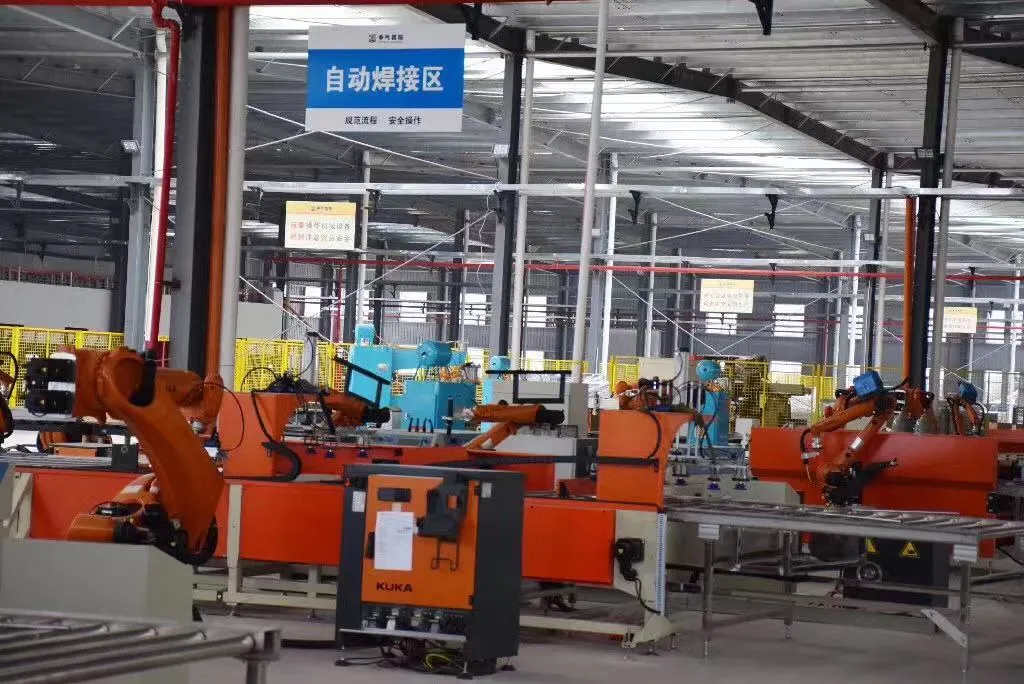
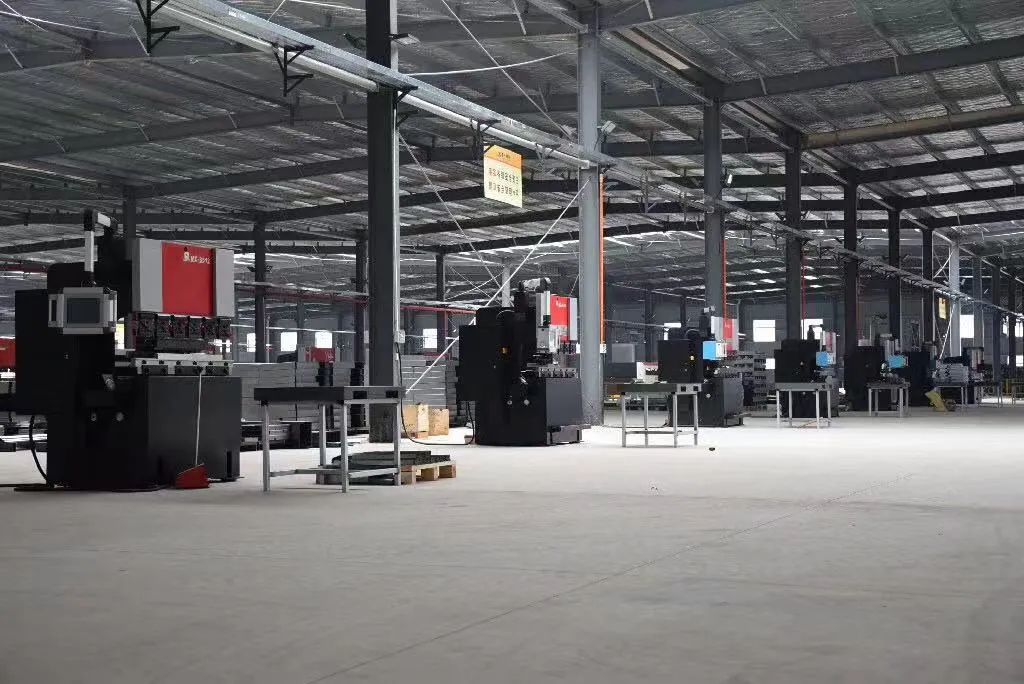
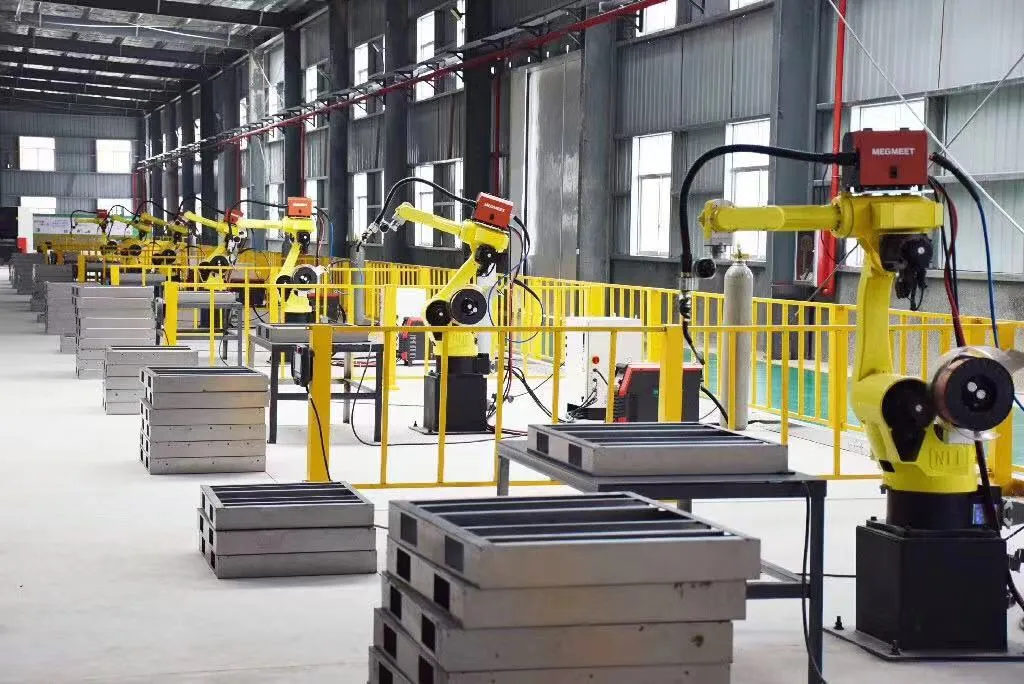
The best approach is to define the required purity class first, then select the compressor technology that can consistently meet that standard. Working with an experienced industrial screw air compressor supplier helps align the equipment with both the purity target and the plant’s production profile.
Audit and Maintenance Considerations
- Keep air quality test reports and maintenance records for compliance reviews.
- Monitor pressure dew point and oil content continuously where possible.
- Replace filters and dryer desiccant on a schedule, not only when a problem appears.
- Validate any change to the air system against the original purity specification.
For regulated industries, the safest path is a properly sized oil-free package with documented air treatment. The decision should always be based on the required purity class and the cost of product contamination, not on initial equipment price alone.