


A skipped 500-hour first service is the fastest way to turn a new screw air compressor into a seized air end and a voided warranty. Screw air compressor break-in is not a formality. The first 500 operating hours seat the rotor oil film, flush out machining debris, and lock in the specific power your electricity bill will live with for a decade.
Why the First 500 Hours Decide Air End Life
During break-in, the rotors and bearings wear into their running clearance. New rotors leave the factory with a micron-level machining tolerance, but the mating surfaces still carry microscopic peaks. The oil film has to flatten those peaks before the machine is loaded to full pressure. Load a cold machine to 8 bar on day one and the peaks touch, the metal scores, and the air end starts eating itself.
Rushed break-in shows up two ways inside the first year. The oil turns metallic early because debris never left the system before the 500-hour oil change. Discharge temperature runs hot because a brand-new cooler was never checked for fouling. Both failures push specific power up and shorten bearing life, and both get written off as bad luck when they were preventable.
The 500-hour mark matters because assembly debris and wear-in metal are still suspended in the oil at that point. Leave that contaminated oil in place and every hour after 500 grinds the new clearances wider. A single skipped oil change has ended more air end warranties than any load spike ever has.
The 7-Step Screw Air Compressor Break-In Checklist
Tie each step to an hour meter reading, not a calendar date.
- Run the first 50 hours at partial load and ramp to pressure gradually instead of slamming full demand on a cold air end.
- Log discharge temperature, oil pressure, and voltage daily for two weeks. A rising trend in week one is a warning, not a break-in quirk.
- Re-torque the motor and air end mounting bolts at 200 hours, before vibration works them loose.
- Inspect the intake filter and oil separator for early carryover; new units can show temporary carryover that should clear by 200 hours.
- Change the oil and oil filter at 500 hours even if the oil looks clean. This first service removes assembly debris and wear-in metal.
- Draw an oil sample at the 500-hour service and send it for analysis. Wear metals should drop on the second sample, not climb.
- Re-verify the pressure band, unload setting, and VSD ramp. A machine left on factory defaults often runs one bar higher than the process needs.
What Break-In Mistakes Cost in Real Numbers
Energy waste is the quiet cost. Our compressor test data shows one bar of overpressure adds about 8% to input power, and a tuned two-stage unit holds specific power near 6.2 kW per cubic meter per minute while a worn single-stage drifts toward 7.6 kW or higher. Across 8,000 operating hours a year, that gap is tens of thousands of kilowatt-hours.
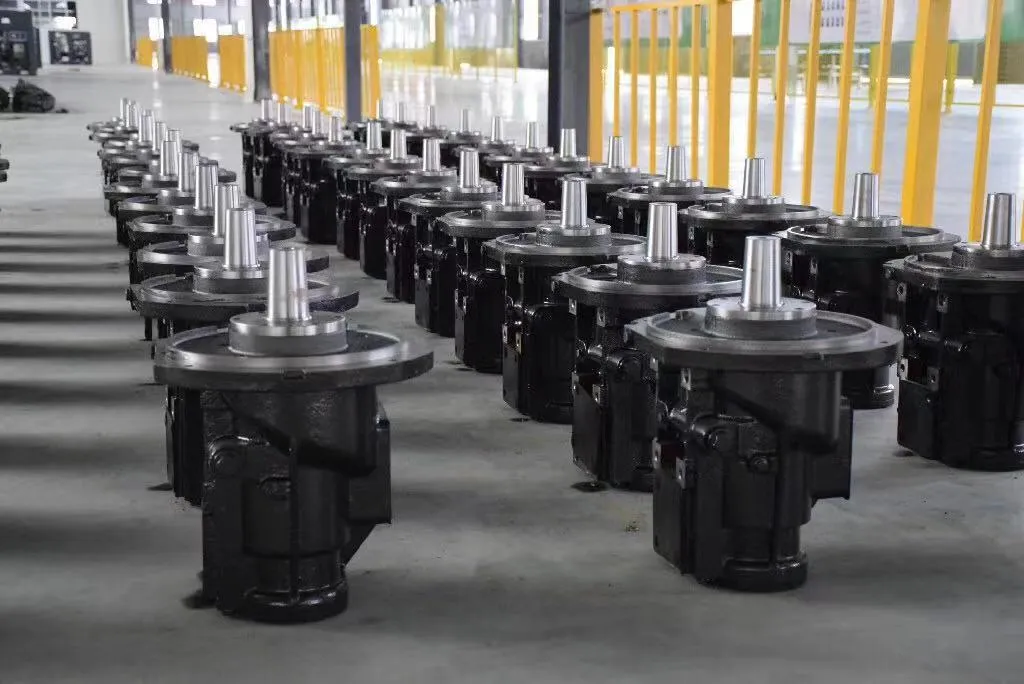
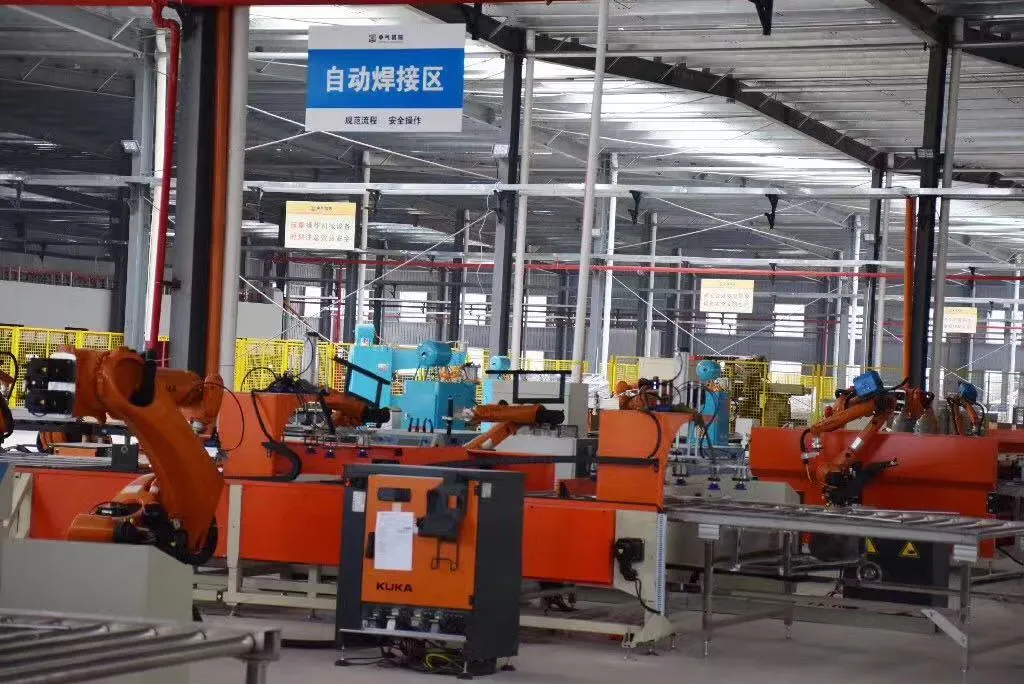
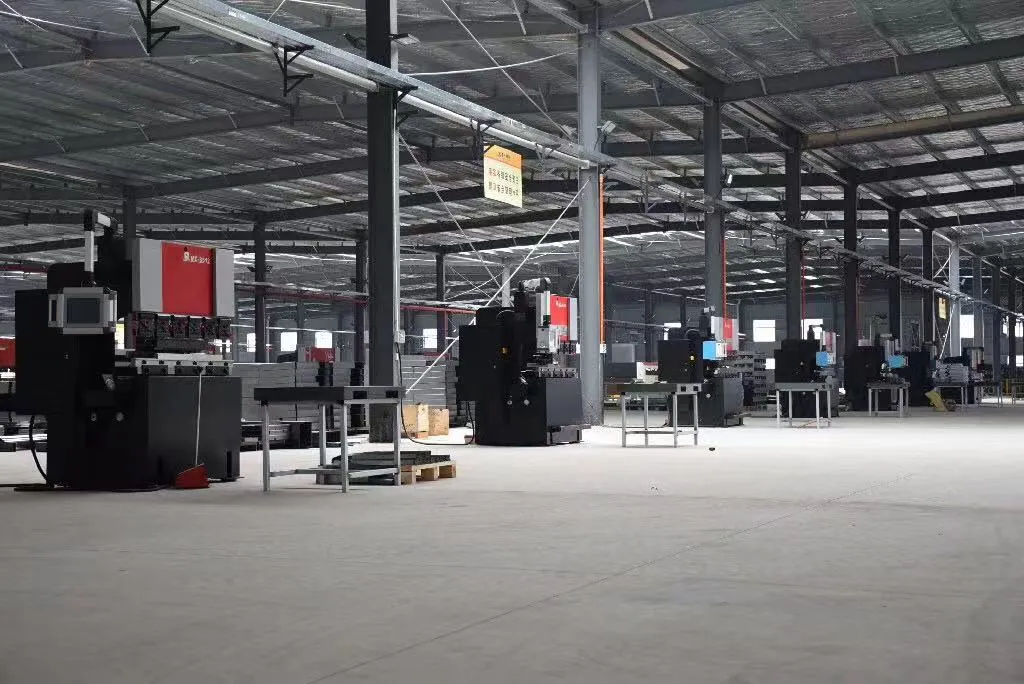
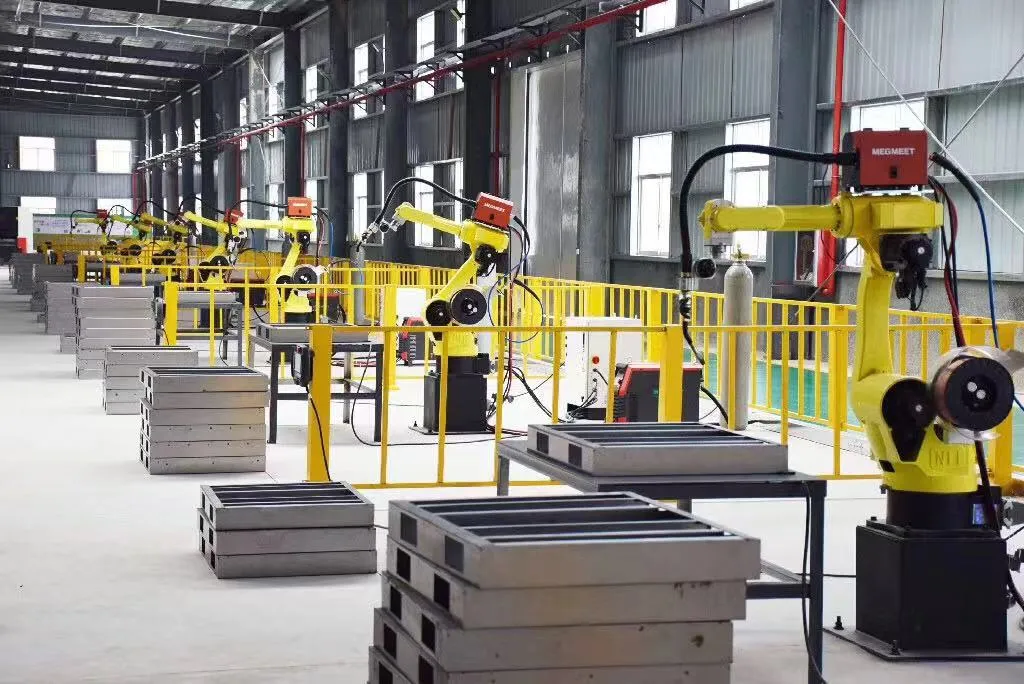
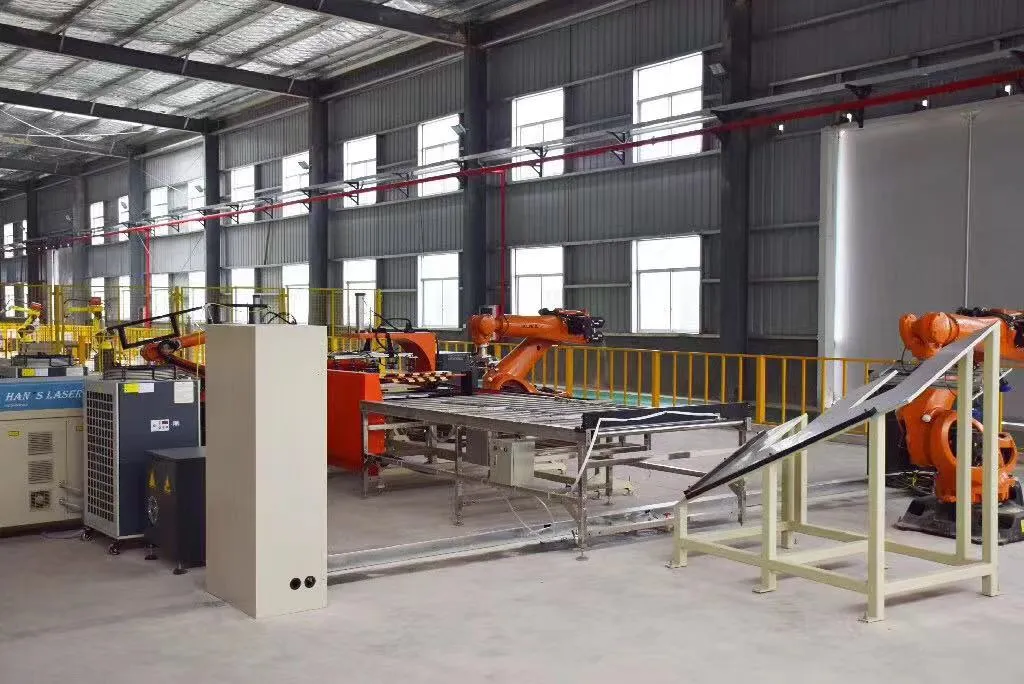
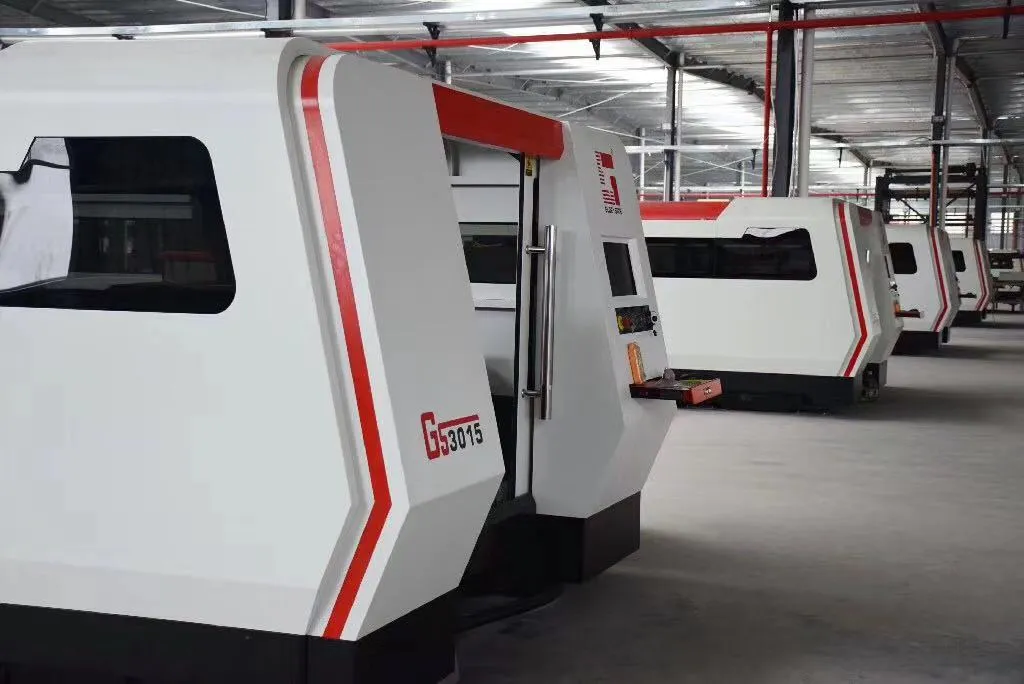
The factory already proves the design before you start it. Panrui machines the air end to micron-level tolerance, runs every unit through a 12-hour non-stop factory test, and packages the machine to hold full output at a 52°C ambient instead of the standard 40°C. That head start survives only if the on-site break-in is handled the same way: measured, logged, and unhurried.
Break-In FAQs and What Buyers Get Wrong
- Myth: modern compressors skip break-in. Fact: break-in moves from the factory to your first 500 hours, and skipping the first oil change is the top cause of early air end wear.
- Myth: load the machine to full pressure right away to test it. Fact: gradual loading seats clearances and protects the air end and drive warranty.
- Myth: the 500-hour service is optional if the oil looks clean. Fact: wear-in metal is invisible until it appears in an oil sample or a failed bearing.
Set a 500-hour service reminder before the compressor ships. Follow the seven steps, keep the oil analysis results on file, and the air end will outlast the warranty instead of failing just after it expires. If you are buying new, compare specific power and factory test reports first on our rotary screw air compressor guide, or send us your load profile and we will match the machine to it.