


One failed oil separator can dump enough oil into a cream line to scrap an entire batch. In cosmetics manufacturing, compressed air touches the product at three points: mixing, filling, and blow-off. Moisture clumps powder, oil streaks emulsion, and a 0.2 bar pressure swing throws fill weights off. The six specs below stop those losses before they reach a jar.
A screw air compressor for cosmetics is not a general workshop unit. Product-contact air must stay clean and dry, pressure must hold flat during shift changes, and the machine must run cool in summer without letting the dew point drift. For a plant running two shifts, one contaminated batch can wipe out weeks of margin once you add rework, lab testing, and line downtime. Each spec below is written so a plant engineer or buyer can copy it straight into a tender document.
1. Air Quality: Meet ISO 8573-1 Class 1 for Oil
For any air that can reach the product, target ≤0.01 mg/m³ oil carryover (Class 1) and Class 2 for particles and water. Oil-injected machines can reach this only with a well-sized coalescing train and routine element changes; product-contact lines often spec oil-free instead. Match the machine to the standard, not the other way around. Compare oil-free and oil-injected options here.
2. Pressure Dew Point: −40 °C for Powders, −20 °C for Filling
Moisture is the most common batch killer. Freeze-dried or hygroscopic powders clump at anything above a −40 °C dew point; standard liquid filling tolerates −20 °C. Specify the dew point at the point of use and add a refrigerated dryer plus desiccant stage for powder rooms. Check that the dryer is sized for the compressor’s full free air delivery plus a 20% margin for summer heat.
3. Stable Pressure: Hold Fill Weight Within ±0.1 bar
Filling accuracy follows supply pressure. A fixed-speed compressor that cycles between load and unload swings pressure enough to make fill weights drift on high-speed lines. A permanent-magnet variable-speed drive holds a near-flat band, and Panrui’s dual-inverter models keep both temperature and pressure constant while eliminating unloaded running. Set the target band in the controller and log it, so any drift is caught before quality control does.
4. Cooling: Survive a 52 °C Ambient Without Dew Point Drift
A compressor that overheats trips just when the plant is busiest. Panrui machines are engineered for a 52 °C ambient (the industry norm is 40 °C) with a cooling system enlarged by 20–30%. That headroom matters in cosmetics: a heat-triggered shutdown or a hot discharge that raises dryer inlet temperature both break the air quality chain.
5. Specific Power: Two-Stage Reaches 5.9–6.0 kW/(m³/min)
Energy is the largest lifetime cost. Panrui’s comparison data shows single-stage rotaries at 7–8 kW/(m³/min), while two-stage units reach 5.9–6.0 kW/(m³/min). The two-stage compression architecture alone saves about 8%, and swapping a 110 kW single-stage for a 90 kW two-stage machine cuts energy use roughly 18%. Over a 10-year life that is the difference between profit and overhead.
6. Leak-Free Piping and a 12-Hour Factory Run
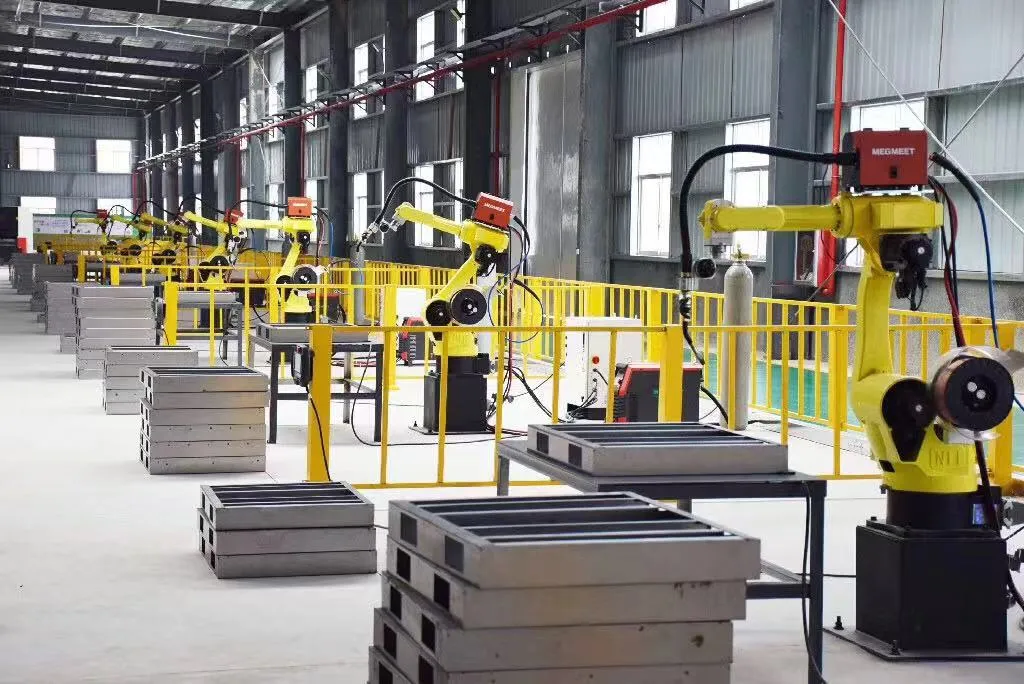
Leaks and assembly faults show up after installation. Panrui uses hard piping instead of loose hoses and runs every machine for a full 12 hours before shipment, with noise held to 70 ± 2 dB(A) at one metre. Ask your supplier for the same two proofs: a factory run log and a leak-tightness report.
What Cosmetics Buyers Get Wrong
Three mistakes show up on nearly every cosmetics tender we review:
- Buying a general shop compressor, then adding a dryer and filter that are too small for summer humidity.
- Specifying pressure but not dew point, so the line runs but the powder still clumps.
- Choosing the lowest purchase price while ignoring the 10-year energy bill, where two-stage specific power wins.
Your Next Step
Write the six specs above into your RFQ, then compare the rotary screw air compressor range and request a specific-power calculation for your exact bar, m³/min, and shift pattern. A clean, dry, stable air supply is the cheapest quality-control upgrade a cosmetics line can make.