

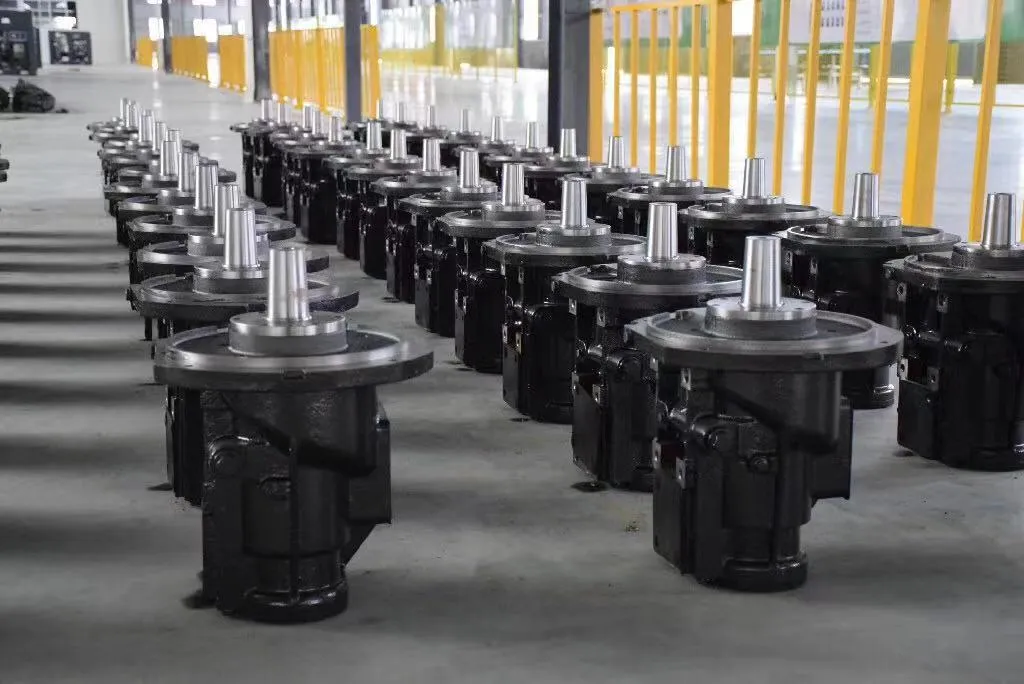
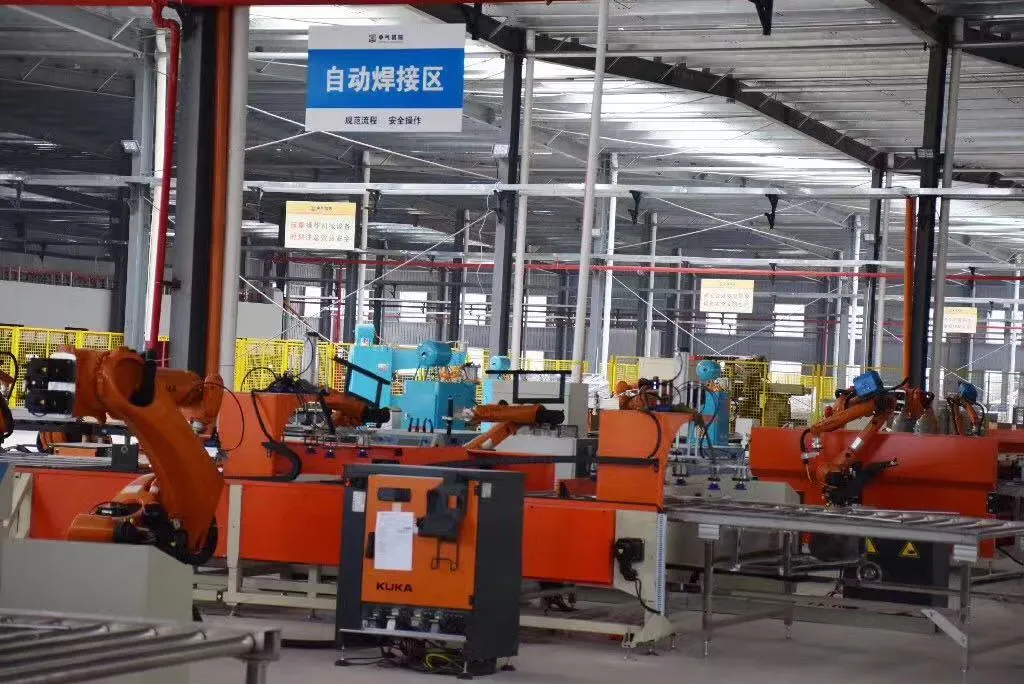
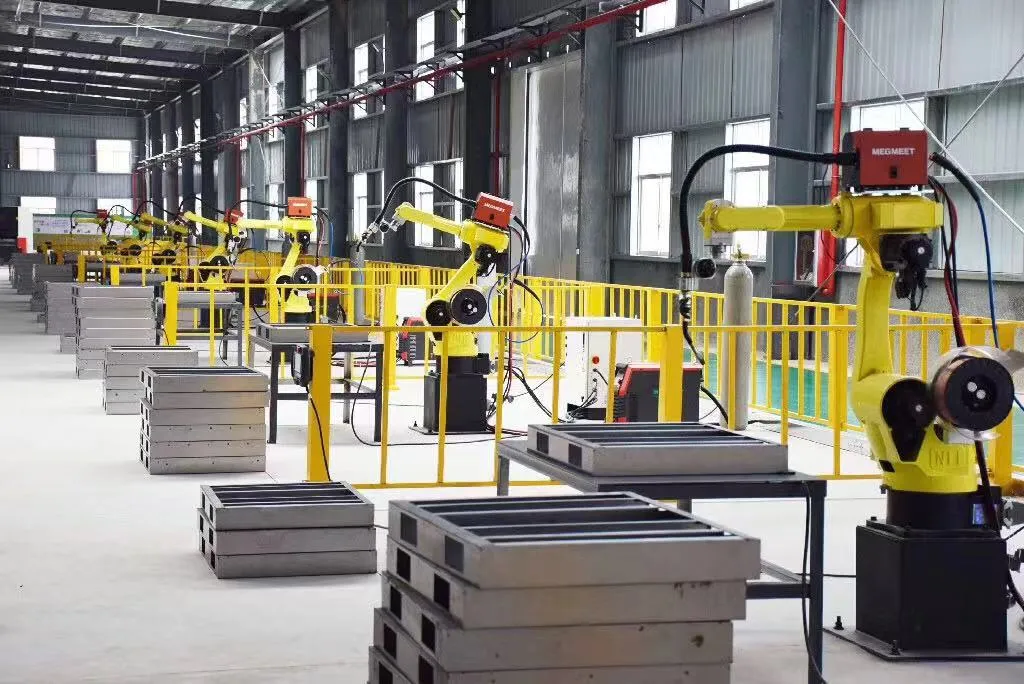

Run a hot-dip galvanizing line just 1 bar above the pressure you actually need and you burn about 8% more electricity than necessary — every hour, every day. On a line that never stops, that single habit can add five figures to a plant’s annual power bill before anyone notices. The fix is not a bigger motor. It is the right screw air compressor for galvanizing service, sized and controlled around the one device that decides coating quality: the air knife.
Why the Air Knife Punishes Pressure Swings
An air knife wipes molten zinc off a moving steel strip with a thin, high-velocity jet of air. The gap between the knife and the strip is fixed, so the only real control you have is air pressure and flow. When line pressure sags, the jet weakens and the coating goes on too thick; when it spikes, the jet blasts zinc off the surface. Either way the strip comes out with uneven zinc thickness, and uneven coating is the fastest route to rejected coils, extra zinc consumption, and rework.
That is why a galvanizing line needs a compressor that holds pressure steady under a load that changes with every shift in line speed, strip width, or coating target. A fixed-speed unit cycles between load and unload and hunts around the setpoint, letting the air knife pressure drift. A variable-speed drive (VSD) screw compressor tracks demand in real time, holds constant pressure, and eliminates the excess pressure you never actually used.
The 6 Specs That Keep a Galvanizing Line Running
Most compressor quotes written for a galvanizing plant are generic. These are the six specs to verify before you pay:
- Constant pressure via VSD control. The drive trims motor speed to hold a steady band and removes over-pressure instead of dumping it as heat.
- Two-stage compression with low specific power. Target 5.9–6.2 kW/(m³/min), not the 7–8 kW/(m³/min) typical of single-stage machines.
- A 52°C ambient rating. The zinc pot radiates heat year-round; a machine designed only for a 40°C standard will trip on the hottest days.
- Dry, filtered air. A refrigerated dryer plus coalescing filters keeps water and oil mist out of the air knife and off the strip.
- Dust-rated intake filtration. Zinc oxide and zinc ash are abrasive; oversized filtration protects the air end in a dusty line hall.
- Remote monitoring and energy logging. Real-time specific-power and pressure data let you catch drift before it shows up as coating rejects.
How Much Power a Two-Stage Unit Actually Saves
Specific power — kilowatts per cubic meter per minute — is the single number that decides your electricity bill. Panrui’s published test data shows single-stage screw machines landing between 6.9 and 8.0 kW/(m³/min), while two-stage screw compressors sit between 5.9 and 6.8 kW/(m³/min), with a 90 kW unit reaching 5.9 kW/(m³/min). On a machine moving 15 m³/min of air, dropping from 7.5 to 6.0 kW/(m³/min) saves roughly 22.5 kW every running hour.
The mechanism is compression in two stages, which spreads the pressure rise across two rotor pairs and runs closer to isothermal compression — Panrui rates the gain at 10–15% better compression efficiency. Add the 8% you recover by eliminating just 1 bar of over-pressure, and the savings compound. Panrui’s energy-saving breakdown lists eight levers that stack to roughly 21% total electricity savings, with two-stage compression as the largest single item at 8%.
FAQ: What Galvanizing Buyers Get Wrong
Do I need an oil-free machine? Not necessarily. Zinc wiping happens after the bath; unless your air contacts food-grade, painted, or medically clean surfaces, an oil-injected machine with a high-efficiency separator and proper filtration is usually enough and costs far less to run. For critical contact surfaces, an oil-free screw compressor is the safer choice.
Can I just run the line at higher pressure to be safe? No. Every extra bar costs roughly 8% more power, and over-pressure does not improve wiping — it causes blow-off defects. Set the machine to the real knife requirement and let VSD hold it there.
Your Next Step
If your galvanizing line still runs on an old fixed-speed machine, start with the three numbers that matter: actual knife pressure, actual flow in m³/min, and current specific power. Review the full rotary screw air compressor range, then request a configuration and quote matched to your strip width and line speed. Before you commit, verify the returned specific power against the 5.9–6.2 kW/(m³/min) two-stage benchmark so the right screw air compressor for your galvanizing line pays for itself in power savings.