

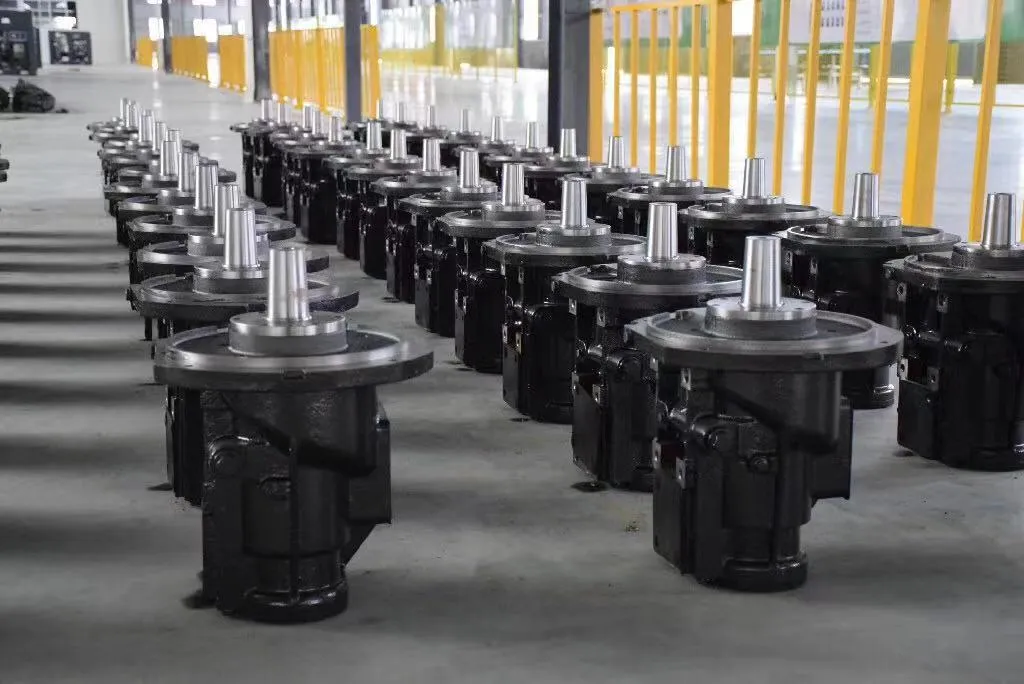
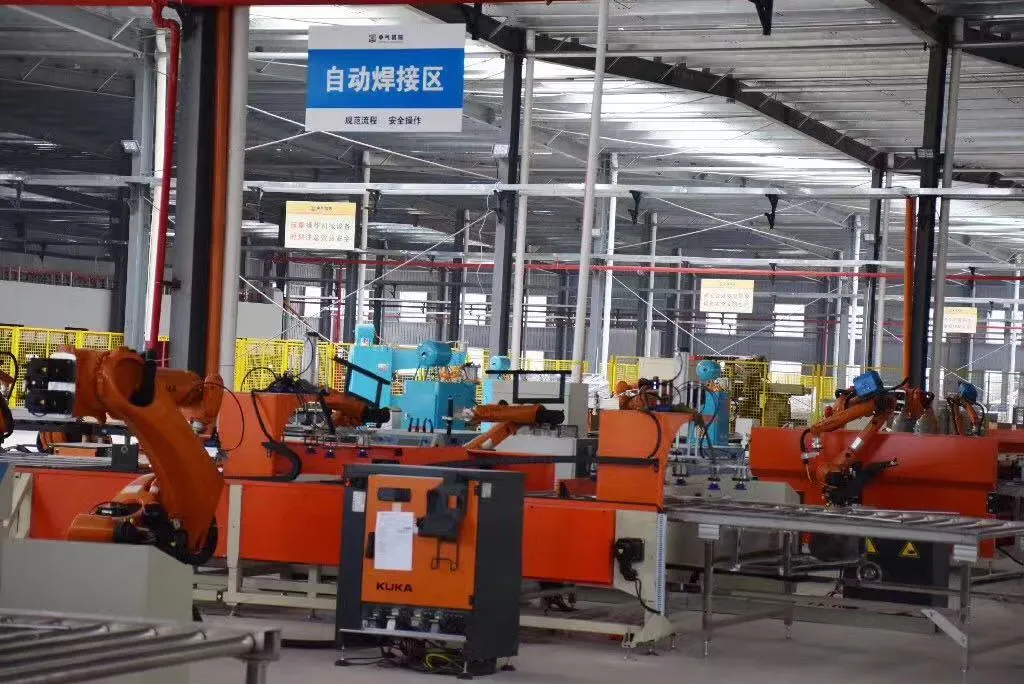
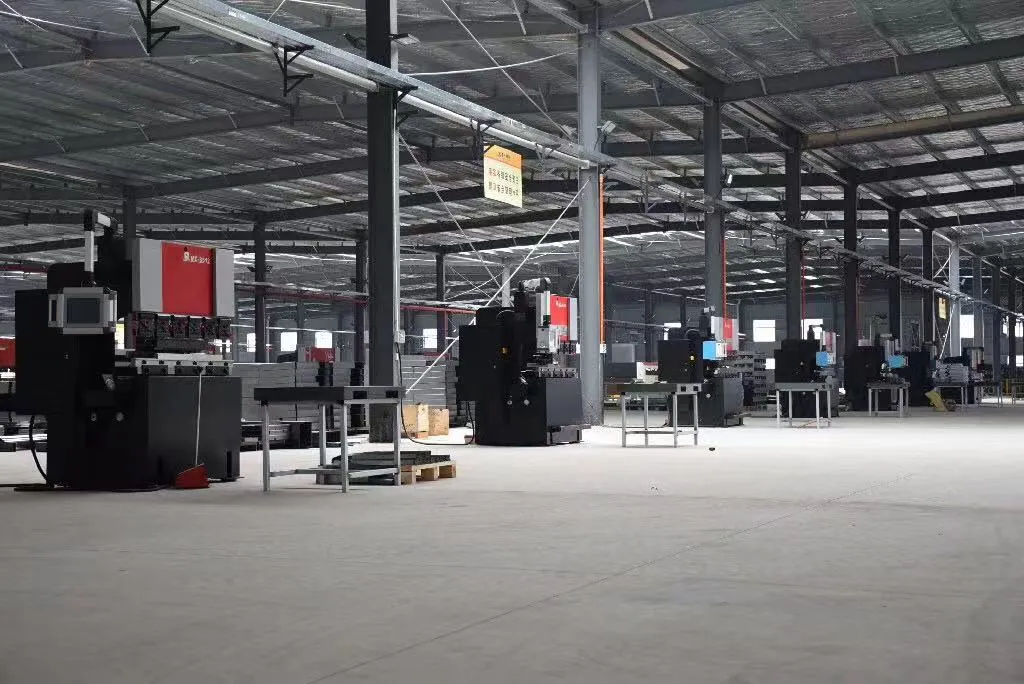
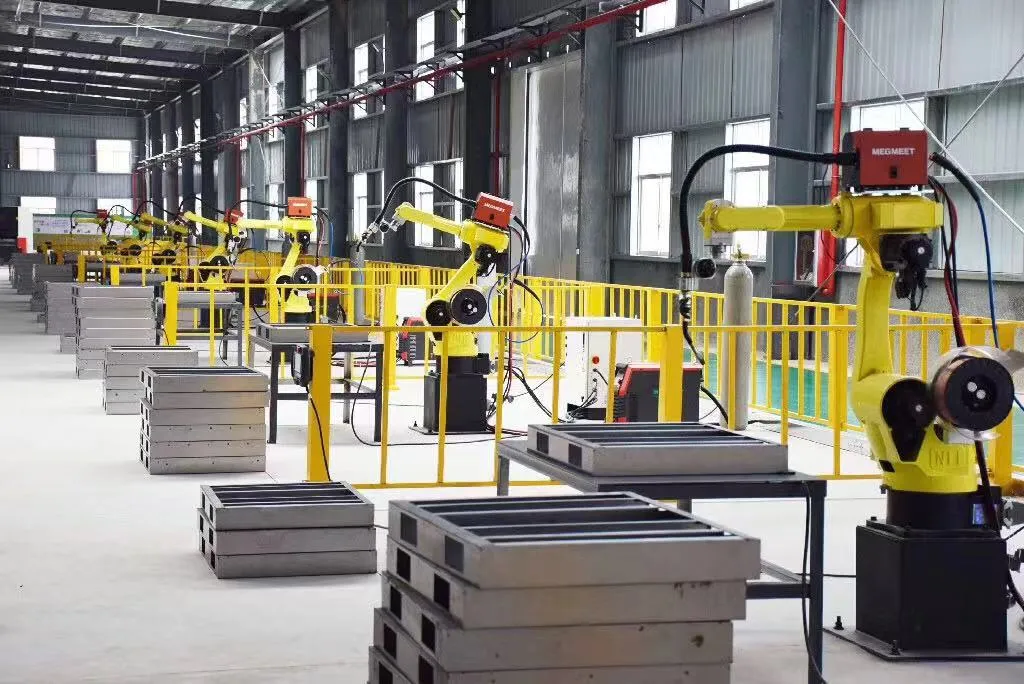

A missed coil — a cobble on the strip line — can burn an hour of production and several thousand dollars in scrapped steel. The root cause is usually not the rolls or the drive: it is an air compressor that cannot hold constant pressure after an intake filter clogs with iron-oxide scale dust. A screw air compressor for steel rolling mills has to be selected around three realities — scale dust, furnace heat, and 24/7 duty — or it fails in its first hot season. Get the six specs below right and the compressor keeps every pneumatic cylinder, descaler valve, and coil-handling clamp moving at full speed.
Why a Rolling Mill Chews Through Ordinary Air Compressors
Rolling mills run hot and dirty. Ambient air beside a reheat furnace routinely exceeds 40°C, and iron-oxide scale flakes off the strip on every pass. Both attack a compressor the same way: the intake filter loads with dust, intake resistance rises, and the machine works harder for the same free air delivery.
The duty cycle compounds the damage. A rolling mill does not idle for long; it demands air in sharp bursts for loopers, side guides, and coilers around the clock. A compressor that drifts off pressure makes actuators lag, and a lagging side guide can fold a strip edge — a defect that cuts coil value instantly.
6 Specs That Survive Scale Dust, Furnace Heat, and 24/7 Duty
Spec the machine against these six points, not against a clean-room data sheet:
- Intake filtration sized for metal dust. A magnetic pre-screen plus a high-efficiency panel filter keeps scale particles out of the air end. Check the filter differential every shift in the first month.
- A two-stage air end with lower specific power. A two-stage unit brings compression closer to isothermal, cutting compression work 10–15% and pushing specific power toward 6.5 kW per m³/min at 55 kW instead of 7.9–8.0 for single-stage.
- A permanent-magnet VSD drive. Rolling-mill demand swings constantly. A PM VSD drive tracks the load and avoids overshoot pressure, which costs energy without adding output.
- A 52°C ambient design. Standard machines are built around a 40°C environment. Beside a furnace that margin disappears; specify a cooler and air path built for 52°C so the unit does not trip on high discharge temperature.
- An oil-cooled, IP55-or-better motor. Dust and heat kill air-cooled motors in steel plants. An oil-cooled motor sheds heat through the oil circuit and seals against conductive scale dust.
- Hard piping and a 12-hour factory run-in. Leak-free hard piping and a full factory test before shipping stop the slow pressure bleed that shows up as actuator lag on the line.
The Numbers: Two-Stage vs Single-Stage Specific Power
Specific power — kilowatts per cubic meter per minute — decides a rolling mill’s electricity bill. In one comparison, single-stage screw units measured 7.9–8.0 kW/(m³/min) at 55 kW, while two-stage units at the same motor size measured 6.0–6.5 kW/(m³/min). That is roughly 18–20% less power for the same compressed air.
On a 55 kW machine running 8,000 hours a year, an 18% power reduction saves about 79,000 kWh a year. At $0.10 per kWh, that is roughly $7,900 per year — before adding the reliability benefit of cooler discharge temperatures and longer air-end life.
Drying and Filtration Setup for a Rolling Mill
Instrument air is where rolling mills quietly lose money. Control valves, positioners, and descaler solenoids do not tolerate water or oil. A heat-regenerative desiccant dryer holding a pressure dew point of -40°C, followed by coalescing filters down to 0.01 ppm oil and 0.01 μm particles, keeps those valves trip-free through a shift change.
A stainless-steel receiver ahead of the dryer buffers demand spikes and lets condensate settle. This is the difference between a mill that holds strip tolerance through a shift change and one that chases pressure alarms.
What Buyers Get Wrong
The most expensive mistake is buying on kilowatt price alone. A cheaper single-stage machine with a higher specific power costs far more in ten years of electricity than a two-stage alternative — the purchase price is a small fraction of the lifetime energy bill.
The second mistake is ignoring the intake environment. A machine bolted beside the furnace without a 52°C design and a pre-filter will derate itself through the hottest months — exactly when the mill cannot afford downtime.
Bottom Line
A screw air compressor for steel rolling mills earns its keep when it is built for scale dust, furnace heat, and 24/7 duty: a two-stage air end, a PM VSD drive, a 52°C ambient design, and a -40°C drying train. Check the specific-power figure first, because that single number predicts your power bill better than any brochure claim. Start with the full rotary screw air compressor specification guide, then ask the supplier for a video walkthrough of the air end and the factory run-in test before you commit.