

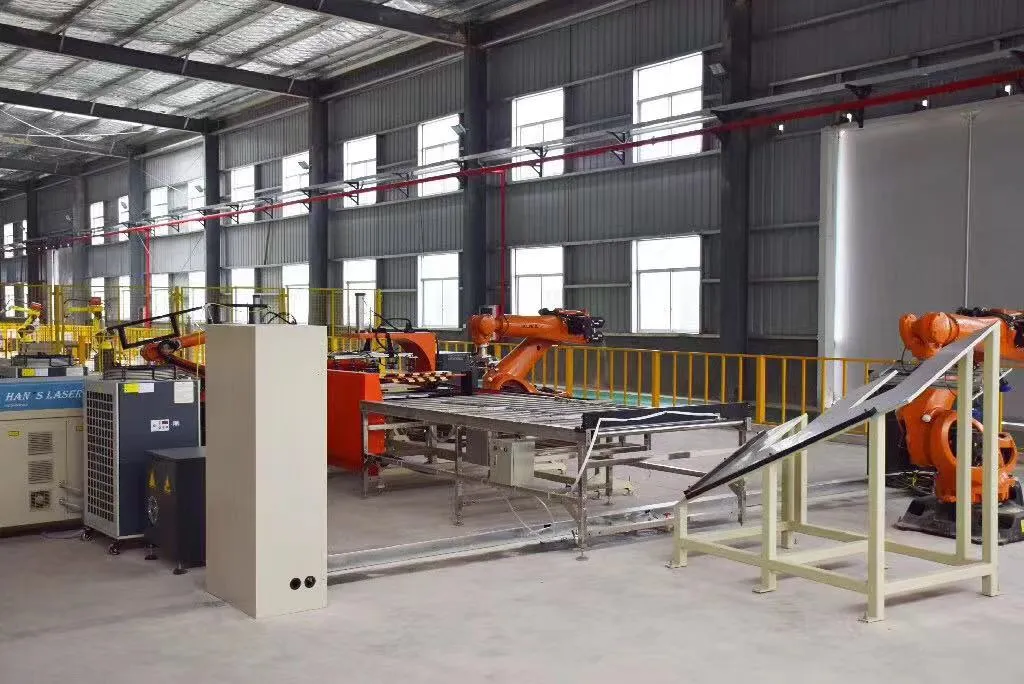
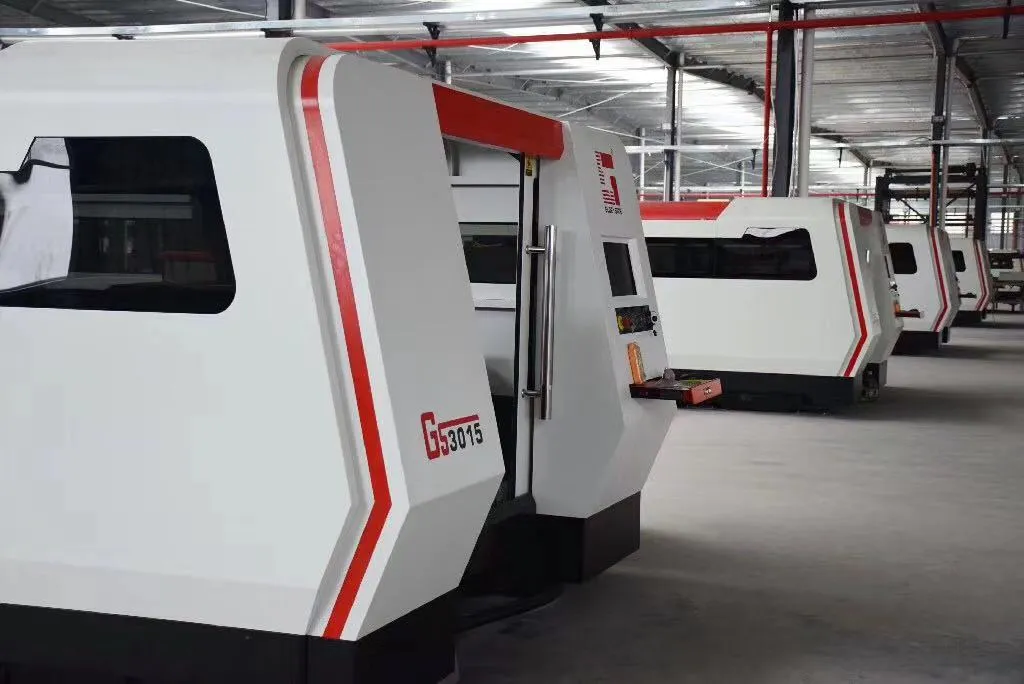

One clogged intake filter on a granite or marble line can add 5–8% to your power bill, and most plant owners never see it until the energy audit lands. When a screw air compressor for stone cutting feeds diamond-wire saws, pneumatic drills, and polishing heads for 16–24 hours a day, ordinary machines overheat in the slurry mist and choke on abrasive dust. The fix is not a bigger motor. It is a machine built for heat, dust, and constant duty.
Why Stone Dust and Slurry Kill Standard Compressors
Stone processing is one of the harshest compressed-air environments in manufacturing. Bridge saws, edge polishers, and CNC stone machines spray water to cool the diamond tooling, and that mist carries fine quartz and granite particles straight into the compressor room. Dust cakes the intake filters, slurry clogs the oil coolers, and the machine works harder to pull the same volume of air.
Every blocked filter and every extra degree of inlet air raises specific power — the kilowatts consumed for each cubic meter of air per minute. On a cutting line that never stops, a small efficiency loss compounds into thousands of dollars a year, and it usually shows up first as a high-temperature trip in the middle of a job.
6 Specs to Demand Before You Buy
- High-temperature design. Ask for a machine validated at 52°C ambient, not the 40°C industry standard. Stone plants run hot, and a unit rated for 52°C keeps compressing through summer instead of alarming out.
- Oversized cooling. Demand a 20–30% larger oil cooler and aftercooler so discharge air stays cool as filters load with dust.
- Dust-rated intake. Specify high-capacity air filtration with the intake placed away from cutting spray and settling dust.
- Constant-pressure control. CNC stone tools need steady pressure; a variable-speed drive holds pressure in a tight band instead of cycling load and unload.
- Leak-free piping. Hard piping and proper sealing stop the slow leaks that quietly drain 2.5% or more of a compressor’s output.
- Two-stage compression above 55 kW. A two-stage machine splits compression into two steps and cuts specific power versus a single-stage unit of the same motor size.
What the Right Machine Saves You
Panrui’s own test data shows the gap in hard numbers. A 90 kW single-stage screw delivers roughly 6.9 kW per m³/min of air, while a two-stage unit at the same motor size drops specific power to 5.9 kW per m³/min — about 14% less electricity for the same airflow. On a granite line running 8,000 hours a year, that difference alone pays back most of the machine’s purchase price in saved power.
The two-stage architecture accounts for an 8% energy saving on its own, and when it is combined with a permanent-magnet VSD motor and oversized cooling, stone plants routinely measure 20% or more off the compressed-air portion of the electricity bill.
What Buyers Get Wrong
- Buying on purchase price. Energy is 70–80% of a compressor’s lifetime cost, so the cheapest machine usually costs the most after three years.
- Ignoring ambient temperature. A machine rated for 40°C alarms and stops exactly when the plant is at its hottest and busiest.
- Skipping the factory run test. A unit that has passed a 12-hour non-stop factory test is far less likely to fail in its first week on the floor.
Your Next Step
If your stone cutting line runs hot, dusty, and non-stop, start with the specific power number, not the sticker price. Ask your supplier for the kW per m³/min at your exact working pressure, and confirm the machine is rated for 52°C with oversized cooling. Compare two-stage screw air compressor options against the full rotary screw air compressor range, or send your duty cycle and get a model recommendation with the energy saving calculated line by line.