


Every extra bar a screw air compressor has to hold — usually to cover a small leak — adds roughly 8% to its electricity draw. That is why the screw air compressor hard piping inside the package matters more than most buyers realize. Loose couplings, cracked hoses, and undersized fittings are the quiet leaks that erase the savings you paid for. For a 24/7 plant, fixing them is one of the cheapest power cuts available.
What Leaks and Pressure Loss Actually Cost
Compressed air is expensive to make. In Panrui test data, a 55 kW single-stage machine runs a specific power of about 8.0 kW per m³/min, while a 55 kW two-stage unit drops that to 6.5 kW/(m³/min) and the vertical two-stage version reaches 6.0. Every restriction between the airend and your point of use — a kinked hose, a weeping fitting, an undersized line — forces the machine to work harder just to hold pressure.
The rule of thumb from the same source is blunt: each 1 bar of overpressure costs about 8% more energy. A 55 kW machine that must hold 1 bar of extra pressure to feed leaks and pressure drop wastes roughly 35,000 kWh over 8,000 run hours, before you count the extra wear on the airend and oil separator.
Why Hard Piping Beats Flexible Hoses at the Machine Level
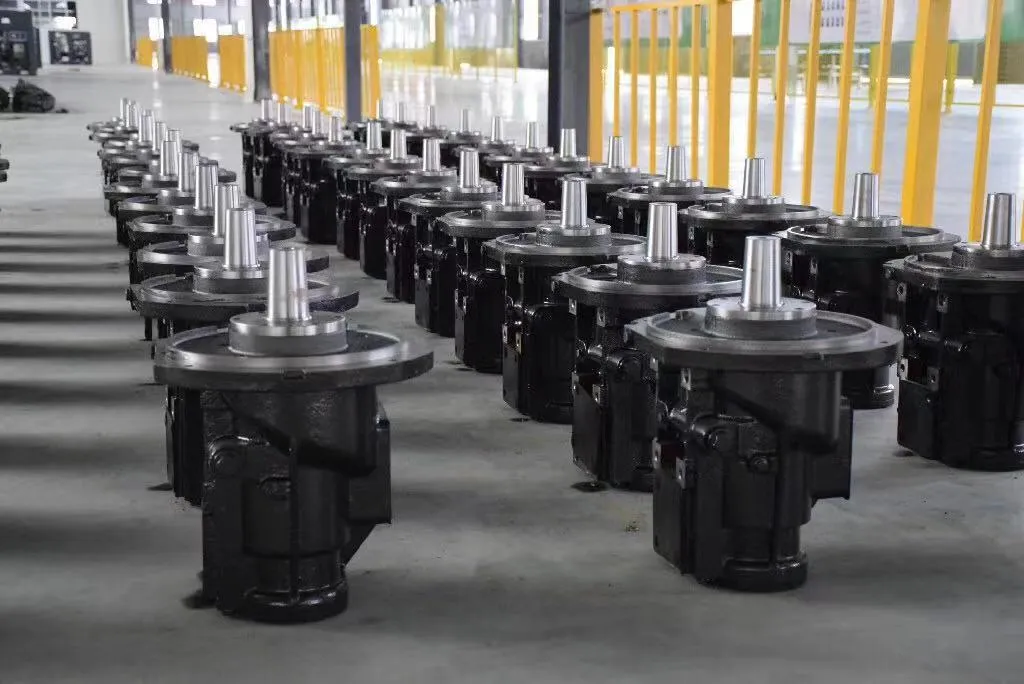
Factory-built machines that use hard pipe connections instead of long runs of flexible hose cut the number of joints that can loosen, crack, or fatigue over thousands of hot-and-cold cycles. Panrui builds its screw packages this way and pairs the plumbing with three supporting choices that reduce leak risk:
- Hard piping with fewer, factory-torqued joints instead of long runs of rubber hose.
- Enlarged internal lines that lower flow velocity and pressure loss between the airend, oil separator, and cooler.
- Sealed air filter, oil filter, and oil separator housings so consumable changes do not become new leak points.
This is not a cosmetic detail. A leak-free machine holds a steady pressure band, so the controller does not have to over-produce pressure to compensate. That is the same principle behind the 8% per bar rule — the less margin you waste, the less energy you buy.
The 12-Hour Factory Test Catches Leaks Before Shipping
A leak that survives to your plant is your problem. A leak caught at the factory is a warranty item. Panrui runs each package for 12 hours of continuous load before delivery so heat, vibration, and pressure can expose loose fittings, weeping seals, and oil-carryover faults while the machine is still on the test bench. Before you sign a purchase order, ask the supplier for the run-test report and exactly what it covers.
How to Spec a Leak-Proof Screw Air Compressor
- Confirm the internal air and oil circuits use hard pipe, not braided or rubber hose.
- Ask whether lines are oversized to reduce pressure loss.
- Check that filters and separators have sealed housings and replaceable seals.
- Request the 12-hour factory run-in report before shipment.
- Compare specific power at your working pressure — the 6.0 vs 8.0 kW/(m³/min) gap at 55 kW is where the real money is.
What Buyers Get Wrong
“Flexible hose is easier to service, so it is better.” Hose is easier to replace, but it is also easier to damage. Hard piping with a few dedicated service joints keeps maintenance simple without adding dozens of potential leak points.
“Leaks are a plant problem, not a machine problem.” Both matter. A machine that leaves the factory with hard piping and a clean run test gives you a tight starting point, which makes plant-side leak detection far more effective.
“A slightly higher specific power is fine.” The gap between 8.0 and 6.0 kW/(m³/min) at 55 kW compounds over the 10-year life of the machine, so it is worth comparing two-stage options against a single-stage quote before you decide.
Next Step
Start with the numbers. Compare specific power at your exact working pressure, then check the plumbing spec on your rotary screw air compressor shortlist. If you are weighing single-stage against two-stage screw air compressors, ask for the hard piping and 12-hour test details on both quotes. Send us your pressure, flow, and annual run hours and we will return a comparison with the energy numbers already worked out through our contact page.