


A screw air compressor minimum pressure valve that leaks looks harmless from the outside, but it quietly re-compresses air you already paid for. On a machine with a specific power of 7.5 kW per m³/min, a backflow leak of only 0.5 m³/min is roughly 3.75 kW of wasted motor load. Run 8,000 hours a year at 0.7 CNY per kWh and that one leak costs about 21,000 CNY before you count maintenance and downtime. Below is how the valve works, the six signs it is failing, and when to replace it instead of repairing it.
What the Minimum Pressure Valve Does
The minimum pressure valve sits at the outlet of the oil separator, before the air receiver and your pipe network. It has three jobs. First, it keeps the separator at 3.5–4.5 bar so oil pressure stays high enough to inject oil into the air end. Second, it acts as a check valve, stopping receiver air from flowing backward into the separator when the compressor unloads. Third, it opens cleanly under load so compressed air reaches the network without an extra pressure drop.
Why a Leak Turns Into an Electricity Bill
When the valve seat or diaphragm leaks, air from the receiver flows back through the separator and out the blowdown vent every time the machine unloads. The unit must then re-compress that air on the next load cycle. At a specific power of 7.5 kW per m³/min, every cubic meter you re-compress is pure cost, not product. The real losses stack up fast.
- A 0.5 m³/min backflow is about 3.75 kW, or roughly 30,000 kWh over 8,000 hours.
- Backflow heats the separator and shortens oil and oil-filter life.
- Pressure instability forces the controller to cycle load/unload more often, adding wear.
- A valve stuck closed starves downstream tools and trips pressure alarms.
6 Signs the Valve Is Failing
- Air keeps venting from the blowdown or intake while the compressor runs unloaded.
- Receiver pressure falls quickly the moment the compressor unloads.
- The machine cycles between load and unload far more often than usual.
- You see oil carryover in the air line or a rising separator temperature.
- Start-up pressure builds slower than the machine did when new.
- The valve chatters, or you hear constant hissing at the separator outlet.
How to Confirm the Valve, Not Something Else
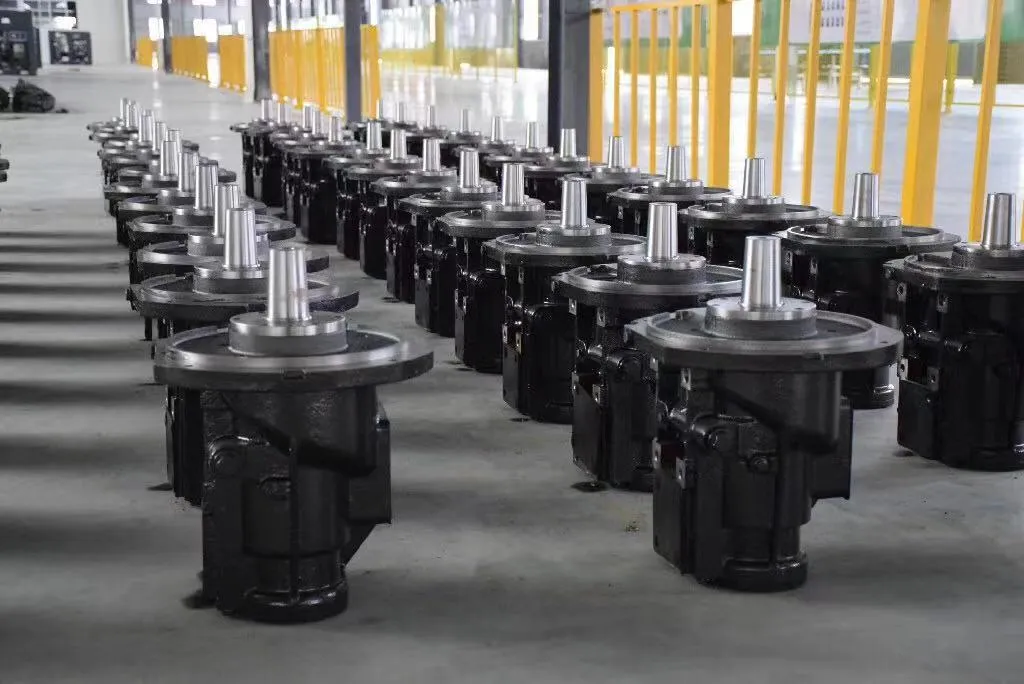
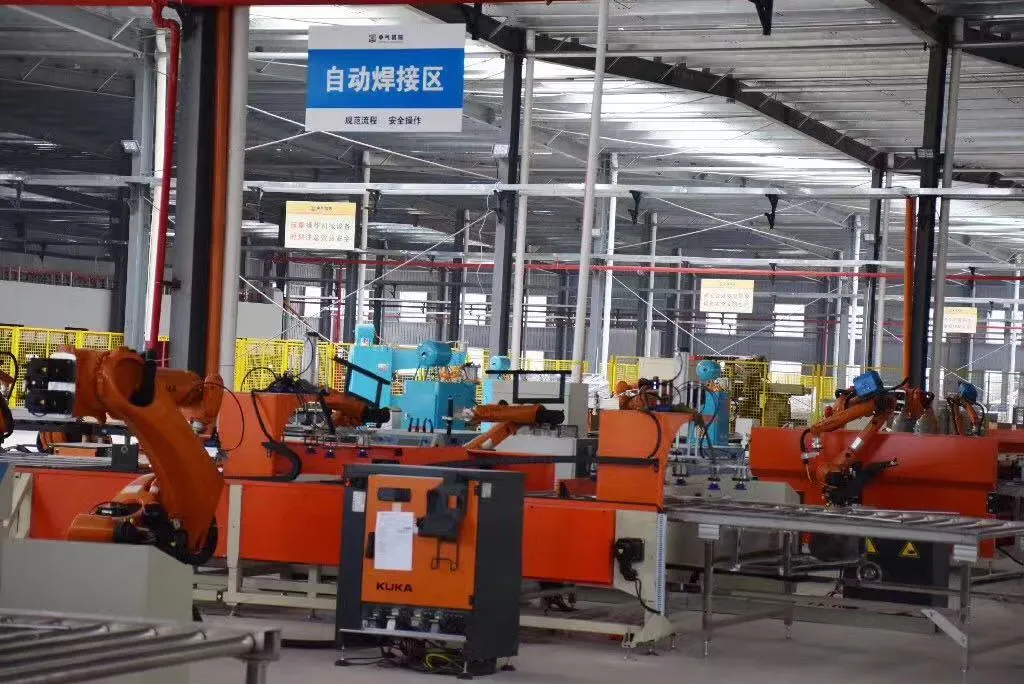
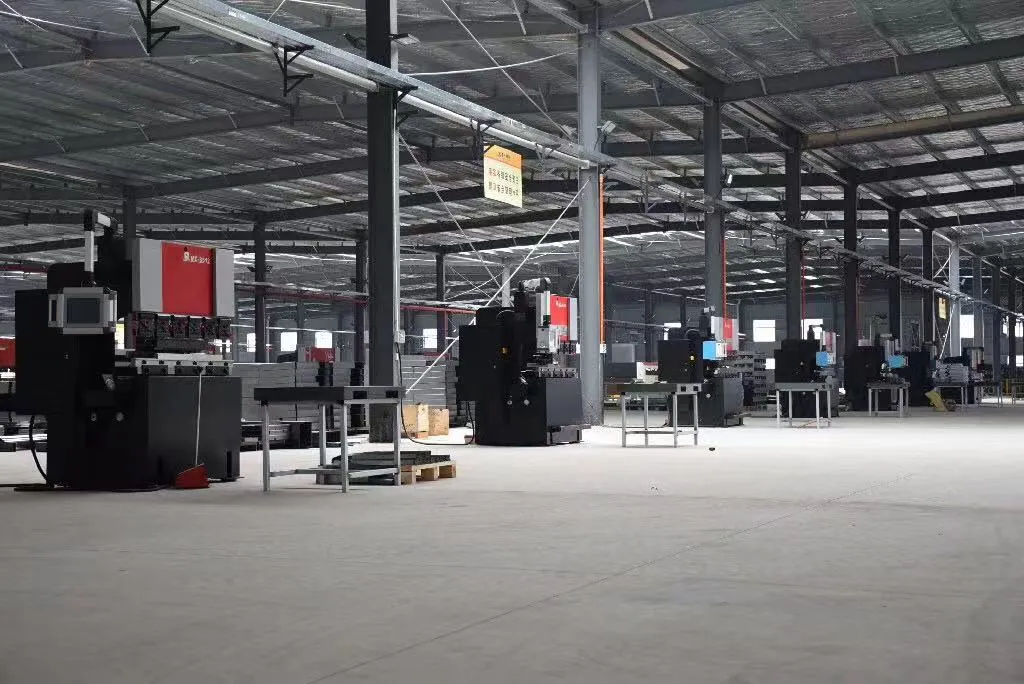
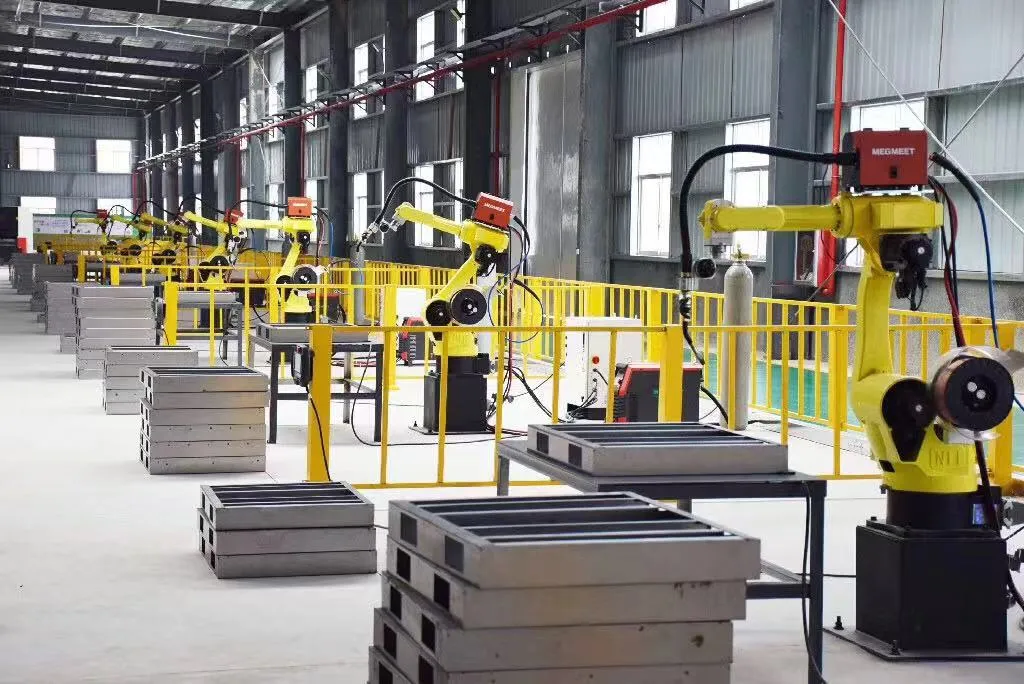
Before changing parts, isolate the receiver and watch the blowdown. If air keeps escaping with the receiver valve shut, the minimum pressure valve is the likely culprit. Check the pilot line for cracks, the diaphragm for tears, and the seat for scoring or debris. A 12-hour run-in test at the factory is the best time to catch these defects early, before the unit ships.
On variable-speed machines the symptom looks different: the drive keeps hunting for a stable pressure because the valve is bleeding air. If you run a VSD unit, review your unload and pressure settings on the variable-speed screw air compressor page before condemning the valve.
Repair or Replace: The 3-Question Test
A worn diaphragm or a pitted seat can often be repaired with a rebuild kit. A ruptured diaphragm, a scored seat, or a cracked body means replacement. Ask three questions: Is the leak internal or external? Has the seat hardened from heat? Will the rebuild hold at your working pressure? If the answer is uncertain, replace it — a failed valve can cascade into separator, oil, and air-end problems that cost far more than the part.
For help sizing a replacement or matching the valve to your separator, start with the rotary screw air compressor guide, then ask for a spec sheet and factory video call at the contact page.
The screw air compressor minimum pressure valve is one of the cheapest parts on the machine and one of the most expensive to ignore. A 0.5 m³/min backflow leak burns about 30,000 kWh a year, and the same valve that leaks air today is the one that will starve your production line tomorrow. Inspect it at every service interval, replace it on the first sign of scoring, and you will stop paying to compress the same air twice.