

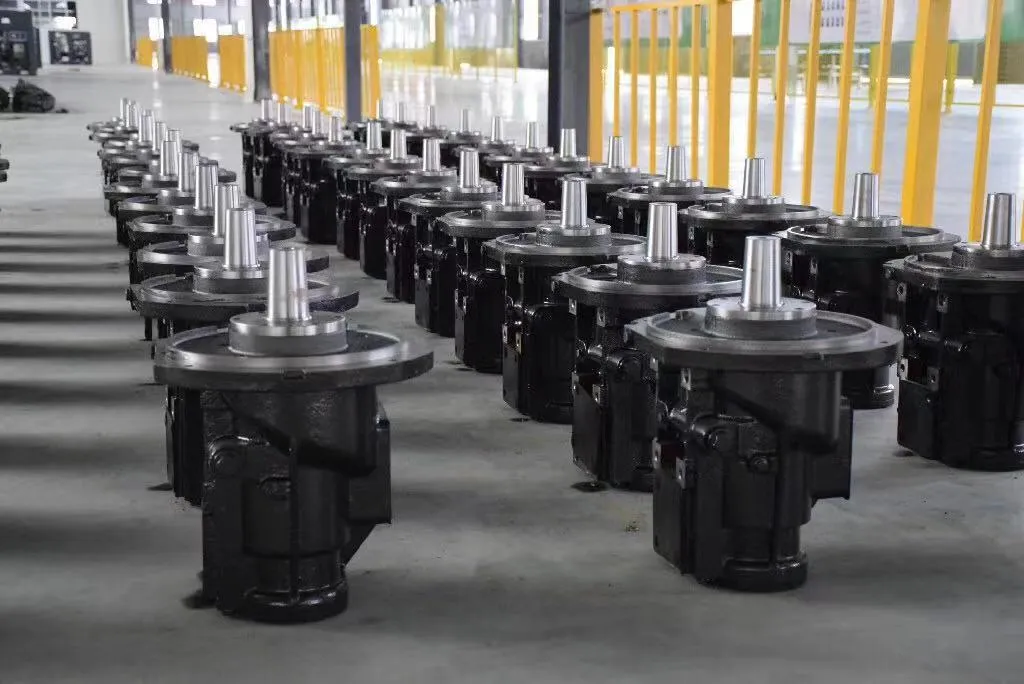
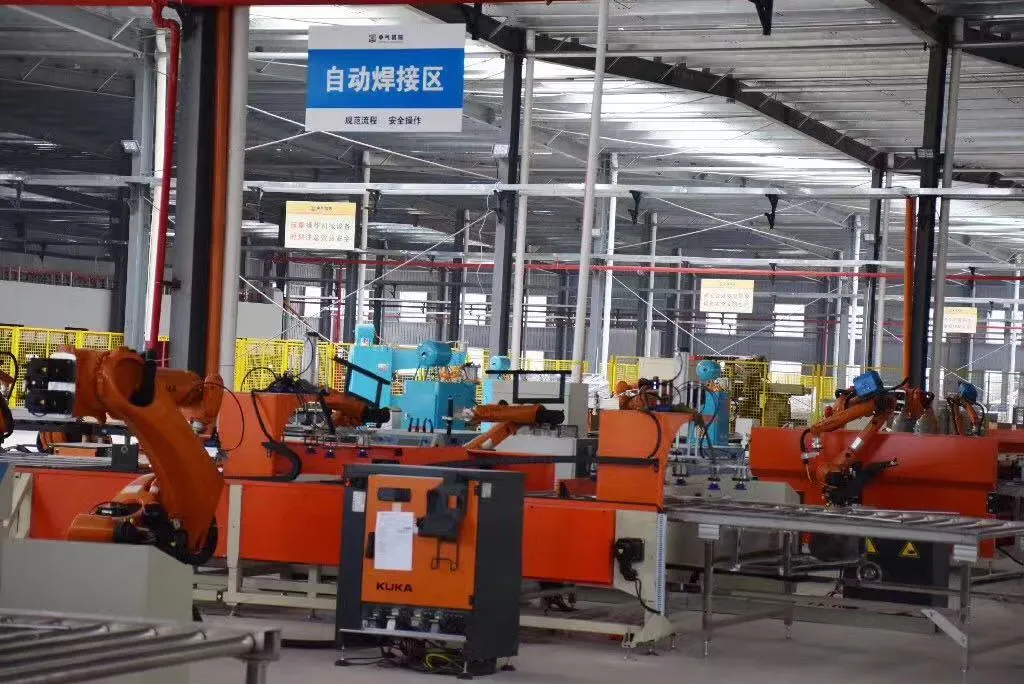
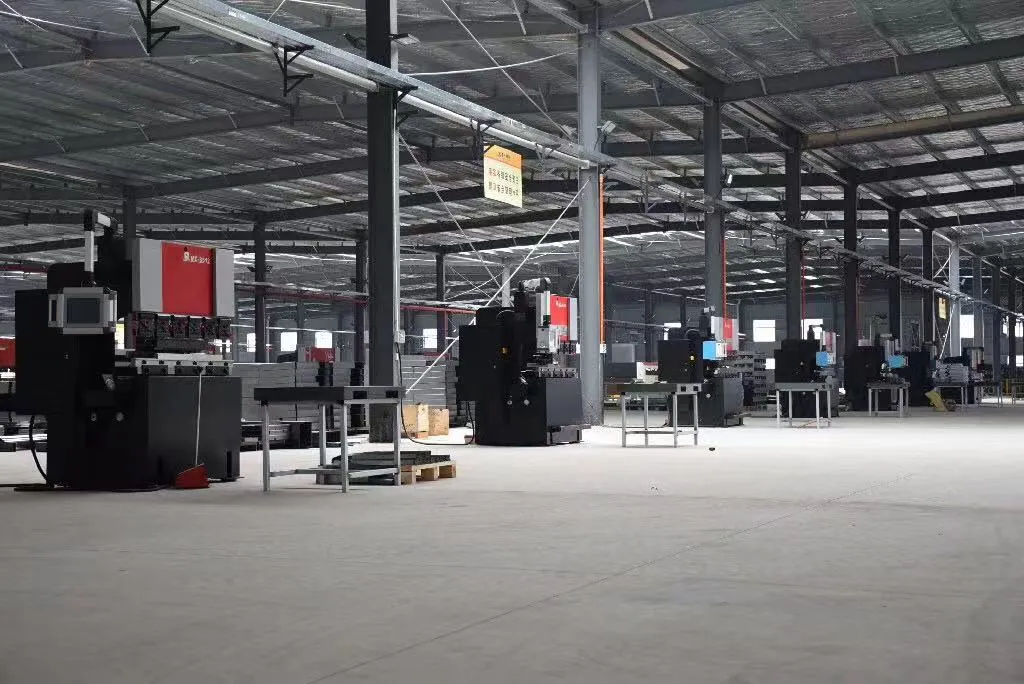
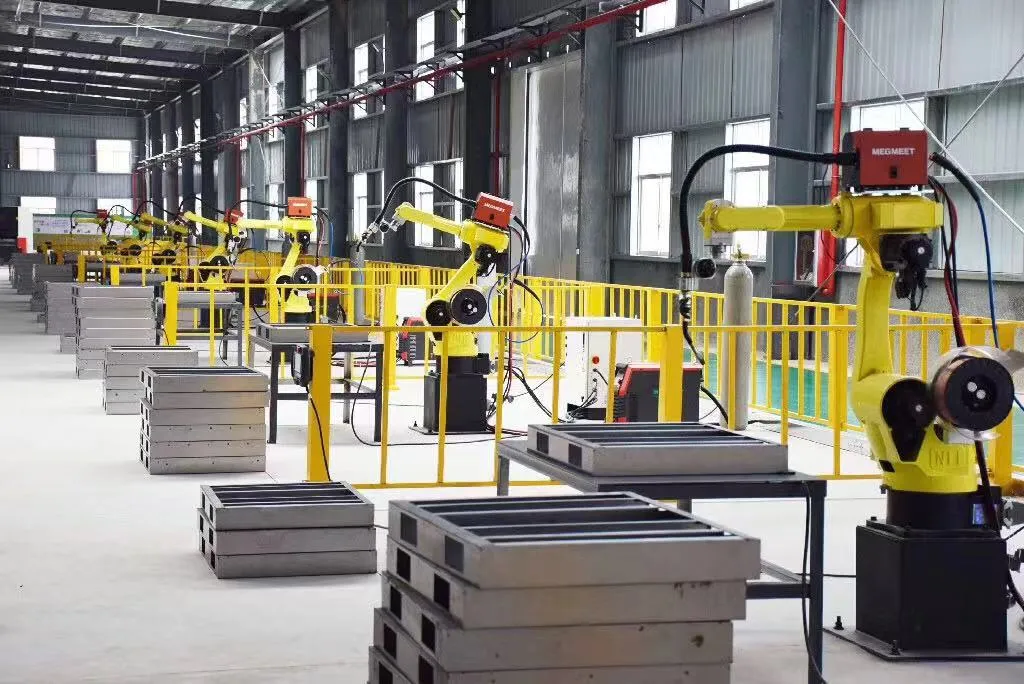

“How much does a screw air compressor cost?” is the first question most plant managers ask—and it is usually the wrong one. The sticker price you see on a quote is only about 15–25% of what the machine will actually cost over ten years. Electricity is 75–80% of the total cost of ownership, so two machines with the same screw air compressor price can have very different real costs. Here is how the price is built, and which number to compare before you sign.
What drives screw air compressor price
There is no single price for “a screw air compressor.” Six variables move the number, and each one is a trade-off between what you pay now and what you pay in electricity later:
- Motor power and airflow. A 22 kW fixed-speed unit costs far less than a 90 kW unit, because price tracks power (kW) and free air delivery (m³/min).
- Single-stage vs two-stage. A two-stage machine costs more up front, but its specific power is lower—around 5.9 kW/(m³/min) on a 90 kW unit versus 6.9–7.6 on a single-stage—so it uses less electricity for the same air.
- Fixed-speed vs variable-speed drive (VSD). VSD machines are 10–15% more expensive to buy, but they cut energy use by 20–50% when demand fluctuates.
- Oil-injected vs oil-free. Oil-free machines cost roughly two to three times more and are only worth it where air purity is regulated.
- Air end brand and motor type. A proven air end plus a permanent-magnet motor costs more but keeps efficiency from degrading over time.
- Accessories, warranty and after-sales. Integrated dryers, air tanks, filters, longer warranties and service coverage all move the quote.
The number that matters more than price: specific power
Specific power—kW consumed per m³/min of air delivered—is the single best way to compare quotes, because a lower number means lower electricity bills for the same output. In our bench tests, a 90 kW single-stage screw runs at about 6.9–7.0 kW/(m³/min), while a 90 kW two-stage unit reaches 5.9 kW/(m³/min). That is roughly 14% less electricity per cubic meter, every hour the machine runs, year after year.
Ask every supplier for the specific power at rated FAD and rated pressure, not a best-case lab number. Two quotes can show the same purchase price and still differ by thousands of dollars a year in power, which is why the cheapest quote is often the most expensive machine.
Price vs. the ten-year operating cost
Treat the quote as a down payment, not the cost. A machine that is 10% cheaper to buy but 14% less efficient will cost more within a few years. Energy-saving claims should always come with a number: our two-stage models carry a national first-class energy-efficiency certification and a five-year whole-machine warranty, because the design is built around near-isothermal two-stage compression and permanent-magnet motors that hold their efficiency over time instead of degrading like a standard induction motor.
A quick way to sanity-check any offer: multiply the specific power by your annual running hours and your electricity rate. If supplier A quotes 7.0 kW/(m³/min) and supplier B quotes 5.9 kW/(m³/min), at 6,000 hours a year the difference compounds into real money—often enough to pay back the price gap of the more efficient unit in two to three years.
How to compare quotes without overpaying
- Ask for specific power (kW per m³/min) at your actual operating pressure, not at 7 bar.
- Model your real duty cycle: a VSD only pays off if your demand varies; at 100% full load a fixed-speed unit may be fine.
- Confirm what is included—dryer, tank, filters, commissioning, freight and warranty—so the quotes are comparable.
- Compare the air end and motor, not the paint job; these two parts decide efficiency and downtime.
If you are choosing between a single-stage, two-stage or variable-speed screw air compressor, start from your load profile and then compare specific power. For the full range from 5.5 kW to 315 kW, see the rotary screw air compressor overview or the two-stage series, and send your pressure, flow and duty-cycle data for a factory-direct quotation.