


One failed airend or variable-speed drive outside warranty can erase more than a year of energy savings — even on a screw air compressor that cuts electricity use by 20–50%. The screw air compressor warranty is usually the most expensive clause you never read, so lock it down before you send payment.
A two-stage airend is often engineered for 150,000 hours of design life, about 50% longer than the 100,000 hours typical of single-stage units. Longer design life only helps you if the manufacturer stands behind it in writing and covers the two parts that fail first: the airend and the inverter drive.
The 6 Warranty Terms to Lock In
Request the warranty terms inside the quotation itself, not in a brochure. Ask these six questions before you compare prices.
- Name the covered parts. The airend and the variable-speed drive are the two most expensive components. If a term only says “main unit,” ask for a written parts list.
- Fix a length per component. A credible benchmark is 2 years on the airend and VFD for single-stage units, and 5 years whole-machine on 55 kW and larger two-stage units.
- Define “whole machine.” Consumables — air filter, oil filter, oil separator, and oil — are almost always excluded. Get that exclusion in writing so there are no surprises.
- Set a claim response time. A warranty with no stated response window is a marketing line. Ask how many hours or days it takes to diagnose a claim and ship a part.
- Clarify who pays freight. For imported compressors, freight on a warranty part can exceed the part cost. Confirm whether the supplier covers outbound shipping.
- Confirm the start date. The clock should start on the factory test date or delivery date, not on the date the machine was built and warehoused.
Why 5-Year Coverage Shows Up on Two-Stage Units
Manufacturers tier warranty by risk. A 55 kW or larger two-stage machine runs a lower discharge temperature and a lighter load on each rotor stage, so suppliers are willing to offer a 5-year whole-machine warranty where a single-stage unit carries a 2-year airend and VFD term. That tiering is a signal: the longer warranty is not a gift, it reflects a lower expected failure rate.
Still verify the engineering claim behind the term. A two-stage airend rated for 150,000 hours of design life backs up the longer coverage; a single-stage unit typically sits near 100,000 hours. If a supplier offers 5 years on a machine with no published design-life figure, ask for the test data.
Check the Factory Test Before You Trust the Warranty
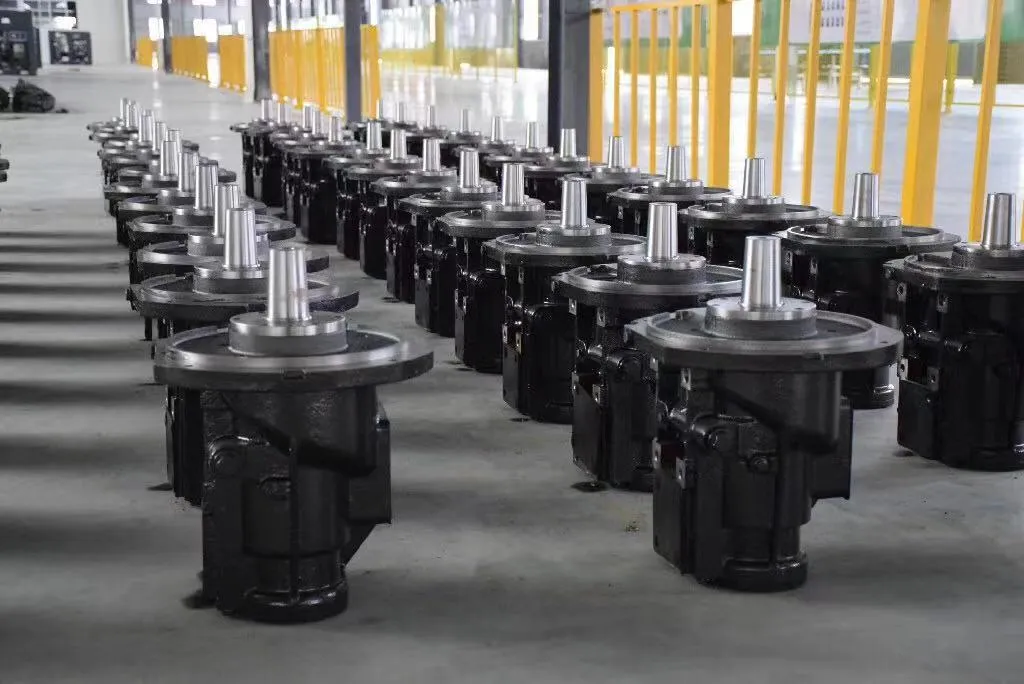
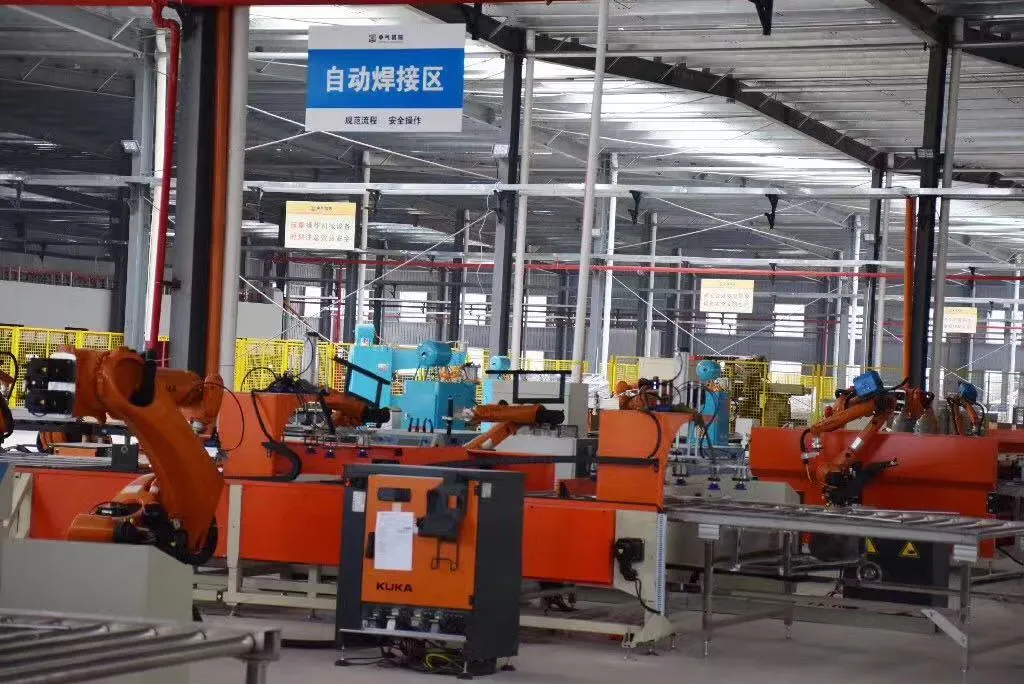
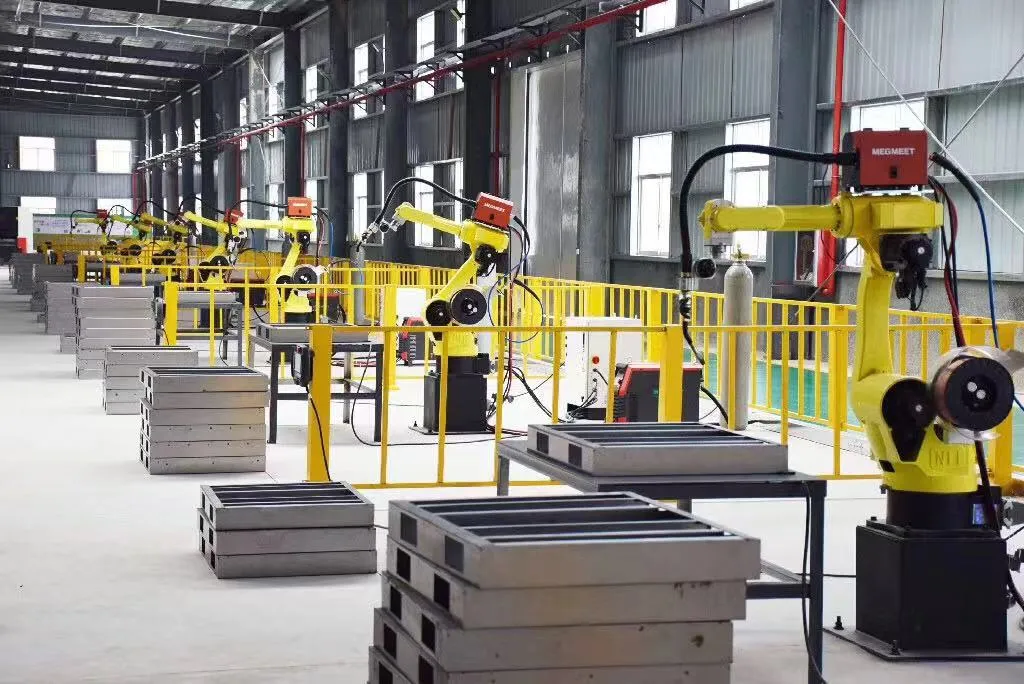
A warranty is only as good as the machine that carries it. Strong suppliers run every unit through a 12-hour continuous factory test and tune it before shipping, then back the machine with a national first-level energy-efficiency certificate. Ask for the test report and the efficiency certificate together — both are evidence the warranty will rarely be needed.
Pair the warranty check with the energy numbers. On a well-matched replacement, specific power can drop from around 8.1 kW/(m³/min) to 6.5 kW/(m³/min) at 22 kW, saving roughly 39 kWh per day and about 19,500 CNY per year at 0.8 CNY/kWh. That recurring saving is the real point of the purchase — a weak warranty simply risks giving it back in one repair bill.
A 5-Minute Before-You-Pay Checklist
- Get the airend, VFD, and “whole machine” coverage written into the purchase contract, not just the catalog.
- Confirm the coverage length (2-year single-stage vs 5-year two-stage) and the claim response window.
- Confirm consumables exclusions and freight responsibility in writing.
- Request the 12-hour factory test report and the energy-efficiency certificate.
- Confirm the warranty start date and whether coverage transfers if you resell the machine.
Next Step: Get a Written Warranty and a Full-System Quote
Start from the screw air compressor pillar page to compare rotary screw units, then review the two-stage lineup for 55 kW and larger machines and the variable-speed lineup for VSD drives that carry their own coverage terms.
Send your required pressure, flow, and running hours together with the six warranty questions above. A written warranty plus a factory test report turns a cheap-looking quote into a comparable, protected purchase — and keeps your energy savings where they belong: in your operating budget, not in a repair bill.