

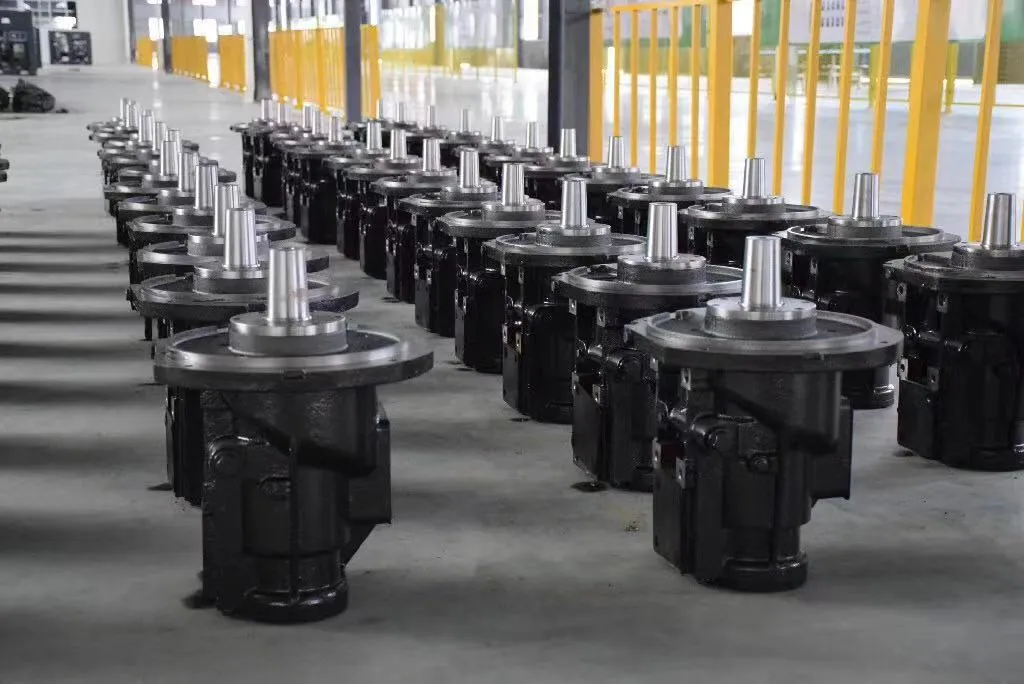
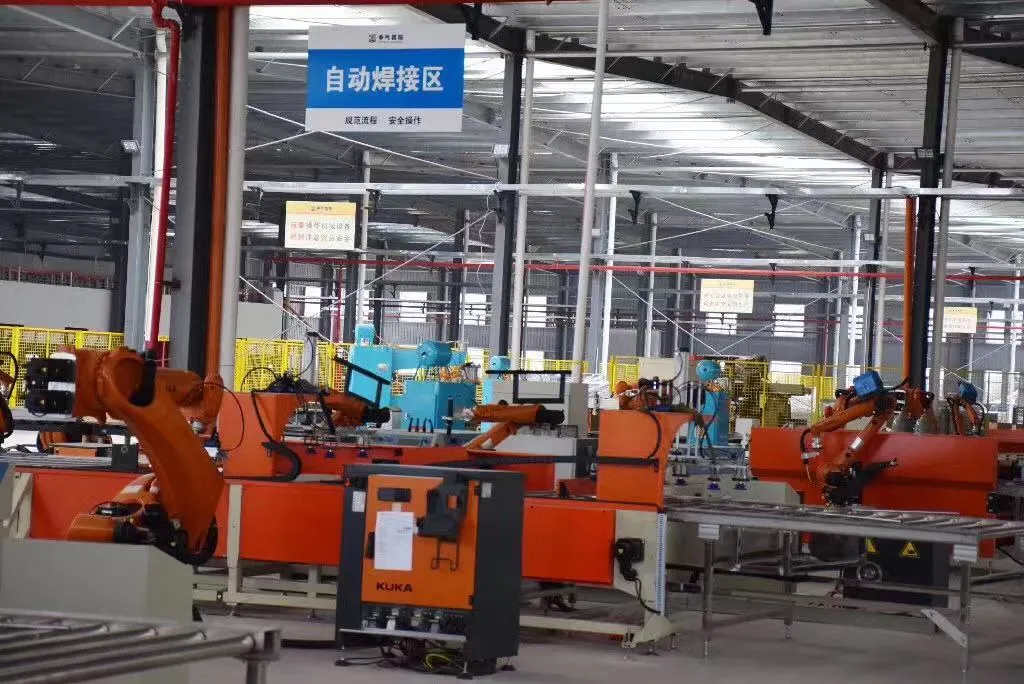
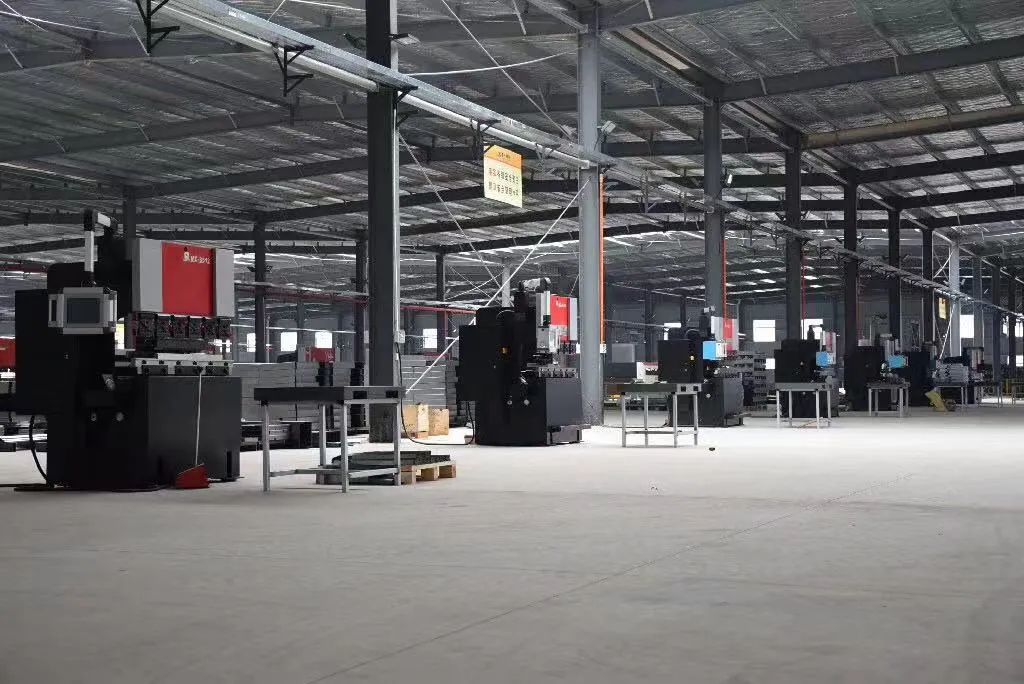
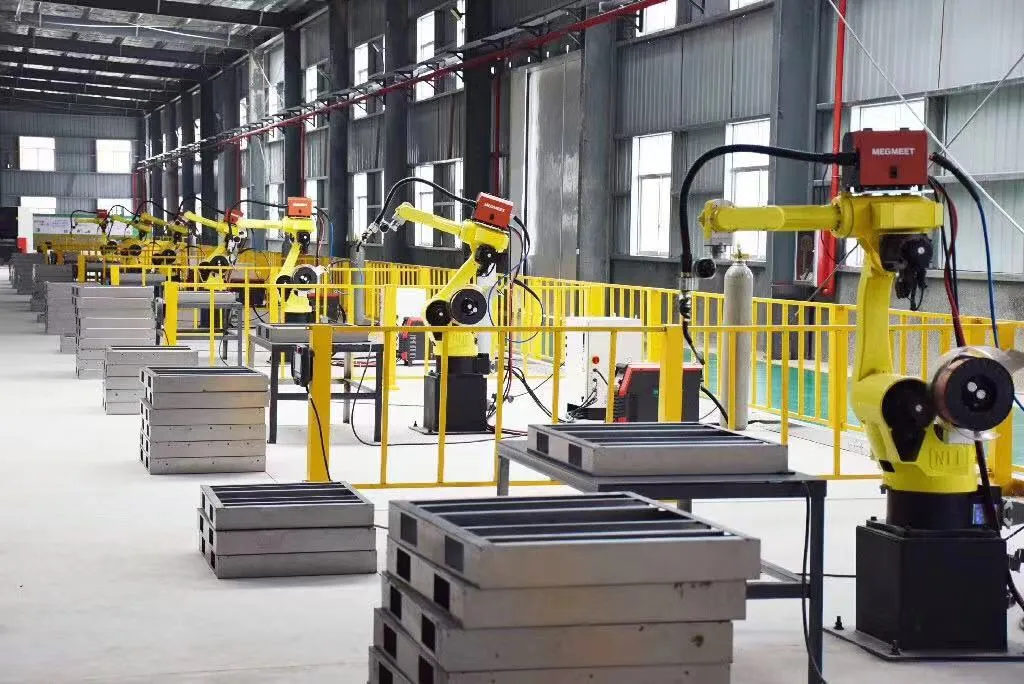

A screw compressor air end rebuild typically costs 30–50% of a new replacement — but rebuild the wrong unit and you pay the rebuild cost, then still buy the air end six months later. The decision is not about the repair bill. It is about what is actually damaged inside the airend, and whether the rest of the compressor is worth saving.
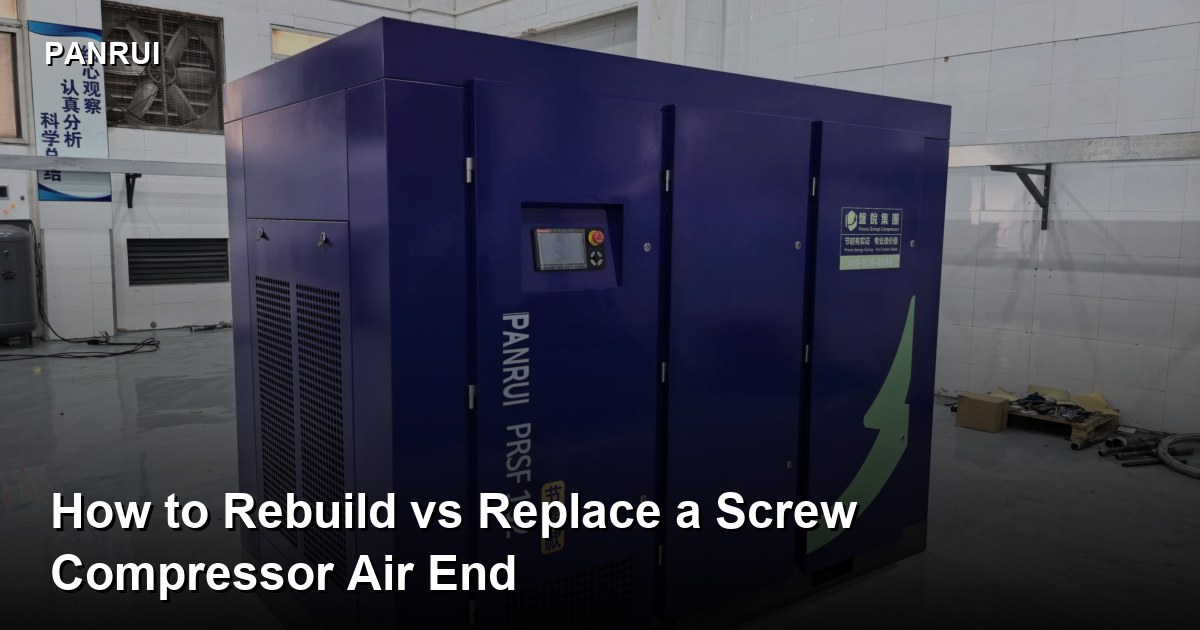
The warning signs are hard to miss once you look: metal particles in the oil, rising discharge temperature, a whine that was not there last month, and capacity that quietly drops. Ignored, a failing air end circulates contamination through the oil system, scores the rotors, and can take the motor and drive with it — turning a rebuildable problem into a full replacement.
What Fails Inside a Screw Compressor Air End
Three components fail first: bearings, seals, and rotors. Airend bearings are typically rated for 20,000–40,000 hours of L10 life — roughly 4 to 8 years at 5,000 hours per year. Seals wear in the same window. Rotors, by contrast, should outlive several bearing sets if the oil and intake filters do their job. Metal-on-metal wear or scoring only appears after contamination, overheating, or oil starvation.
When a Screw Compressor Air End Rebuild Makes Sense
- Bearings or seals are worn, but the rotors are un-scored and within clearance spec.
- The housing is sound with no internal corrosion.
- Factory or OEM-spec parts and procedures are available for your airend.
- The rest of the unit — motor, drive, cooler, and controls — is in good condition.
When Replacement Is the Smarter Call
- Rotors are scored, pitted, or touching — rebuilt clearances cannot bring back lost metal.
- The repair quote approaches half the price of a complete new compressor.
- The unit is obsolete and parts lead time is weeks, not days.
- The motor, drive, or cooler is also near end of life — you would be rebuilding a dying machine.
The Cost Comparison That Decides It
A screw compressor air end rebuild normally lands at 30–50% of a new air end, and a new air end is typically 20–30% of a complete compressor’s price. On a $20,000 unit, that puts a rebuild in the $1,200–$3,000 range — usually the right call if the rotors are healthy. A rebuilt airend from a factory with correct clearance specs and a proper run-in returns to a full bearing life of 20,000–40,000 hours.
Timing matters as much as cost. A planned rebuild done at the bearing-life milestone costs a fraction of an emergency repair, because you control the downtime window and the parts lead time. Waiting until the unit trips means overtime labor, airfreighted parts, and production lost while the compressor sits idle.
FAQ: Is Rebuilding Risky?
How long does a rebuilt air end last? With un-scored rotors, new bearings and seals, and correct clearances, expect another full bearing life of 20,000–40,000 hours. The risk is not the parts — it is the procedure. Clearance measurement, torque, and run-in vary by airend, which is why an unqualified workshop can turn a $3,000 rebuild into a repeat failure.
Can any workshop rebuild my airend? Treat it like a critical component. A factory rebuild with documented clearances and a run-in test is worth more than a cheaper bench job with no measurement record.
Get a Verdict Before You Spend
Bring the evidence into the decision: oil analysis, temperature logs, and noise history. A Panrui engineer can review it against our two-stage and fixed-speed platforms and tell you whether a rebuild or a new two-stage screw air compressor is the better investment. Start by reviewing the full rotary screw air compressor range, then send your oil sample results through the contact page. A screw compressor air end rebuild done at the right time is one of the best-value maintenance decisions in a plant — but only when the evidence supports it.