


A supplier quotes a screw compressor airend bearing life of 100,000 hours, but the PO is signed without a single test report. Eight months later, rising vibration and discharge temperature force an emergency shutdown. The replacement air end and lost production wipe out the original savings. Bearing life is not a marketing label. It is a design outcome you can verify before payment.
What a 100,000-Hour Bearing Life Claim Actually Means
The 100,000-hour figure is normally a calculated L10 bearing life, not a machine warranty. It assumes a defined speed, load, oil viscosity, filtration quality, and operating temperature. Change one condition and the real life moves sharply. A unit running hotter, faster, or with dirtier oil can fail in 30,000 hours while the same bearing part number would survive 100,000 hours in a well-cooled installation.
Treat the claim as a comparison tool. Then check whether the factory can support it with part numbers, load calculations, and test data. Compare complete packages on the rotary screw air compressor pillar page before you trust any single specification.
5 Factory Checks Before You Trust the Number
- Bearing make and grade. Get the actual bearing part number in the bill of materials. “Premium bearing” is not evidence; the manufacturer and load rating are.
- Airend operating speed. Ask for rated RPM. Lower-speed screw elements run cooler and reduce bearing heat, but the machine must still deliver the promised free air delivery.
- Thermal design. Verify the maximum ambient rating. A machine designed for 40°C has less margin in a 45°C plant than one designed for 55°C with oversized coolers.
- Lubrication and filtration. Confirm oil type, change interval, and inlet oil filtration. Contaminated oil is the fastest way to destroy bearing life.
- End-of-line test records. Require full-load, noise, and vibration data from the exact model, not a sample machine from another batch.
How Factory Design Specs Support Bearing Life
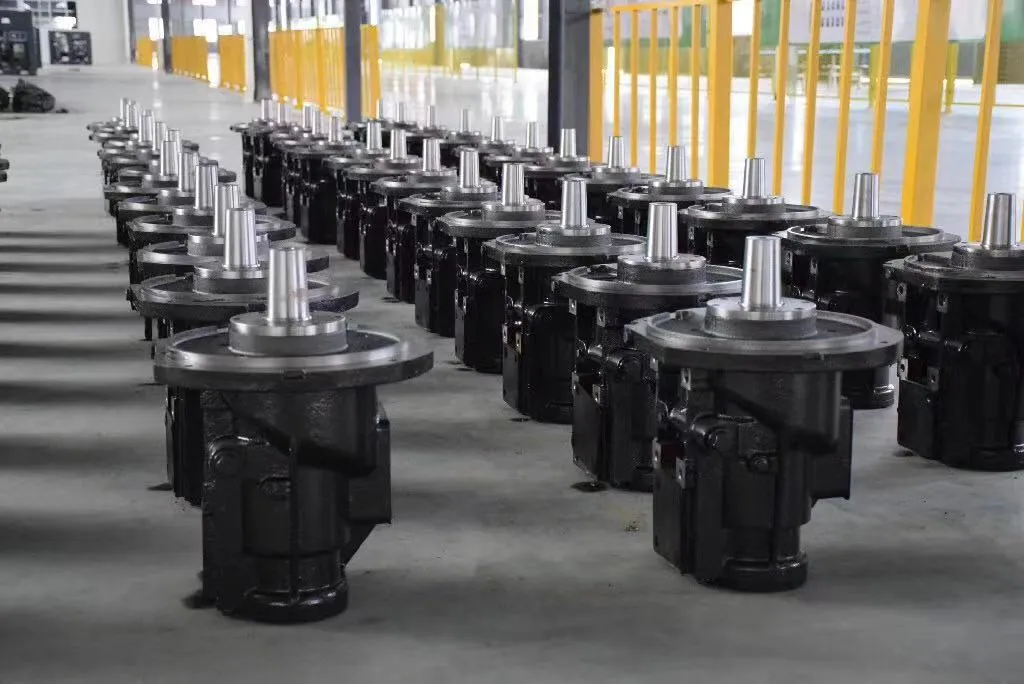
In one local Panrui comparison table, the industrial screw air end is paired with a 55°C high-temperature design and a stated bearing life of at least 100,000 hours. The same comparison lists a 97% motor efficiency and a power factor of at least 0.95. Those numbers matter because excess motor slip and heat do not stay in the motor; they raise package temperature and shorten oil and bearing life.
The comparison also gives a useful quality signal: a 132 kW machine tested at no more than 72 dB(A). Low noise is not comfort alone. It usually means tighter rotor balance, better assembly, and less vibration transferred into the bearings.
For duty cycles that change during the day, a variable speed screw air compressor can also reduce the average rotational and thermal stress on the air end. Lower average speed is not a substitute for verification, but it can improve the conditions behind the bearing-life calculation.
Objection: More Hours Are Not Always Better
Buyers often choose the supplier with the longest bearing-life number. That is a mistake when the number has no boundary conditions. A 100,000-hour bearing calculation at 1,500 RPM can collapse at 3,000 RPM or with discharge temperatures above 100°C. Ask for the L10 calculation conditions: load, speed, viscosity, and operating temperature.
Also separate bearing life from warranty. A long calculated life does not cover misalignment during installation, skipped oil changes, or a blocked cooler. The strongest package is a credible calculation plus a written warranty and local service response.
What to Ask Before You Sign
- Can you send the bearing part numbers and the L10 calculation conditions?
- What is the maximum ambient temperature for continuous full-load operation?
- What full-load discharge temperature should I expect at 40°C and 45°C inlet air?
- Do you provide 100% factory test reports for flow, noise, and vibration?
- What oil and filter change intervals are required to protect the stated bearing life?
Turn the Bearing Claim Into a Written Commitment
Do not let a bearing-life number sit in a quote without evidence. Request the test report, confirm the cooling margin, and compare the total package before you pay. A supplier that cannot document the claim will not be easier to reach when the air end fails.
Start with the specification review, then ask for a model recommendation matched to your duty cycle and site temperature. Contact us with your required flow, pressure, and ambient conditions, and request the factory test data that supports the bearing-life claim.