


A 37 kW screw air compressor running 6,000 hours a year at 6 m³/min average demand can use about 80,280 CNY less electricity per year with a 5.87 kW/(m³/min) airend than with an 8.1 kW/(m³/min) unit. That gap is where screw compressor airend brands win or lose the quote. The logo matters less than rotor profile, bearing part numbers, and specific power.
1. Compare Specific Power Before You Compare Logos
Specific power is the real buying metric: kilowatts consumed for each m³/min delivered. A local Panrui comparison shows a 37 kW upper-and-lower two-stage unit at 5.87 kW/(m³/min), a first-grade single-stage machine at 8.1, and a second-grade machine at 8.9. At 6 m³/min average demand, the annual electricity gap reaches 80,280 CNY. The same comparison projects a five-year electricity cost of about 1,056,600 CNY for the 5.87 kW/(m³/min) unit and 1,458,000 CNY for the 8.1 kW/(m³/min) unit, a 401,400 CNY difference. For buyers with fluctuating demand, a two-stage screw air compressor can deliver 10–15% more usable flow in typical industrial conditions.
2. Ask for the Rotor Profile and Machining Tolerance
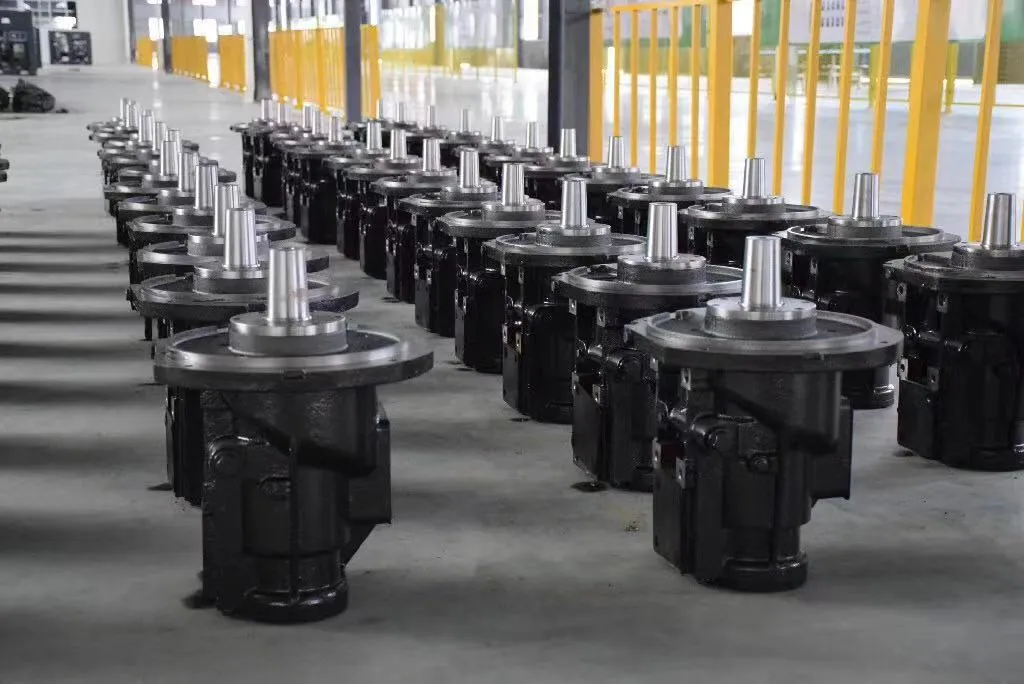
A low specific-power figure is earned in the rotor profile. The Panrui source material describes a third-generation asymmetric rotor profile with 0.005 mm machining precision and tooth surface finish of Ra0.1–0.2 μm, delivering 10–20% better efficiency than earlier profiles in their comparison. Two machines can carry similar badges and still be 10–20% apart at this level of detail. If a seller cannot produce a tolerance sheet, the brand name is not a specification.
- Profile generation and clearance design.
- Machining tolerance and surface finish values.
- Bearing part numbers, not generic “imported bearing” claims.
3. Demand Bearing Brands and Part Numbers
The local Panrui PRSF files list SKF temperature- and corrosion-resistant bearings, with three bearings on each rotor shaft. That matters because variable-speed operation changes axial loading, and open clearances slowly destroy efficiency. When you compare a complete rotary screw air compressor, ask for bearing supplier, grade, and replacement interval in the quotation.
4. Verify Cooling, Control, and Ambient Rating
An efficient airend still fails if the package overheats or the controller wastes air. The Panrui specification enlarges the cooling area by 20–30% and designs the complete machine for 52°C ambient operation against a 40°C industry baseline. Their technical deck states that every 10°C ambient rise can add about 5–6% power consumption. The same quote should name the VFD model and confirm it holds pressure within ±0.01 MPa.
- Cooling surface enlarged by 20–30% or more.
- Ambient design temperature stated in the quotation.
- VFD model, controller supplier, and pressure tolerance shown.
5. Test the Factory Evidence, Not the Sales Story
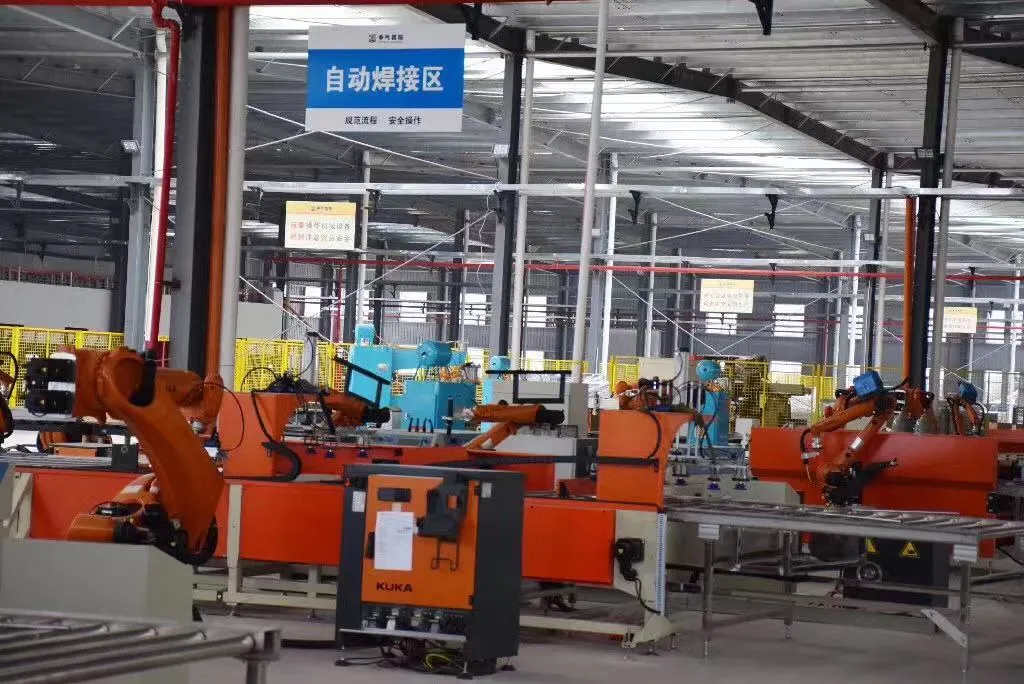
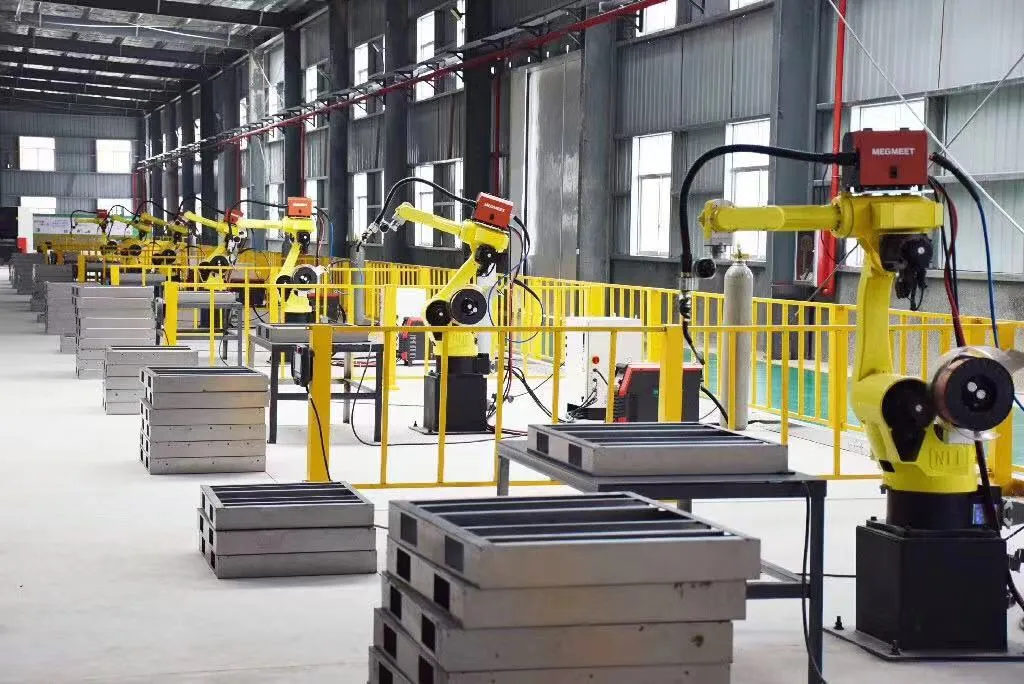
Brand reputation is useful only when it is backed by failure history. Panrui documents a 12-hour no-stop factory test, a 2-year airend and VFD warranty on single-stage machines, and a 5-year whole-machine warranty on 55 kW and larger two-stage units. Ask for the test report, warranty boundaries, and spare-part lead time in writing.
What Buyers Get Wrong
- Assuming an imported logo means lower specific power.
- Comparing only purchase price while ignoring an 80,000 CNY annual energy gap.
- Accepting “high quality” without bearing part numbers or machining tolerance.
- Buying a machine without checking the actual airend manufacturer and model in the quotation.
Bottom Line
When you evaluate screw compressor airend brands, turn every brand claim into a measurable check: specific power, rotor profile, bearing supplier and part number, cooling and control package, and factory test or warranty terms. Request those numbers before the deposit through the Panrui contact page, and use them to compare machines from the pillar page to the two-stage option. Use that scorecard to compare screw compressor airend brands instead of relying on a logo.