

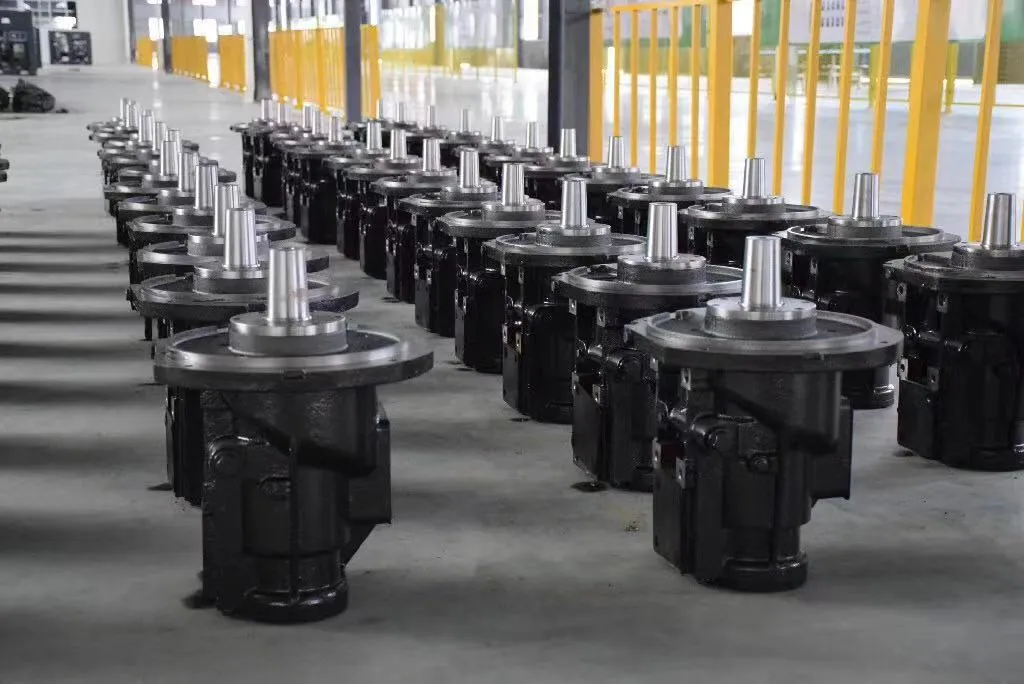
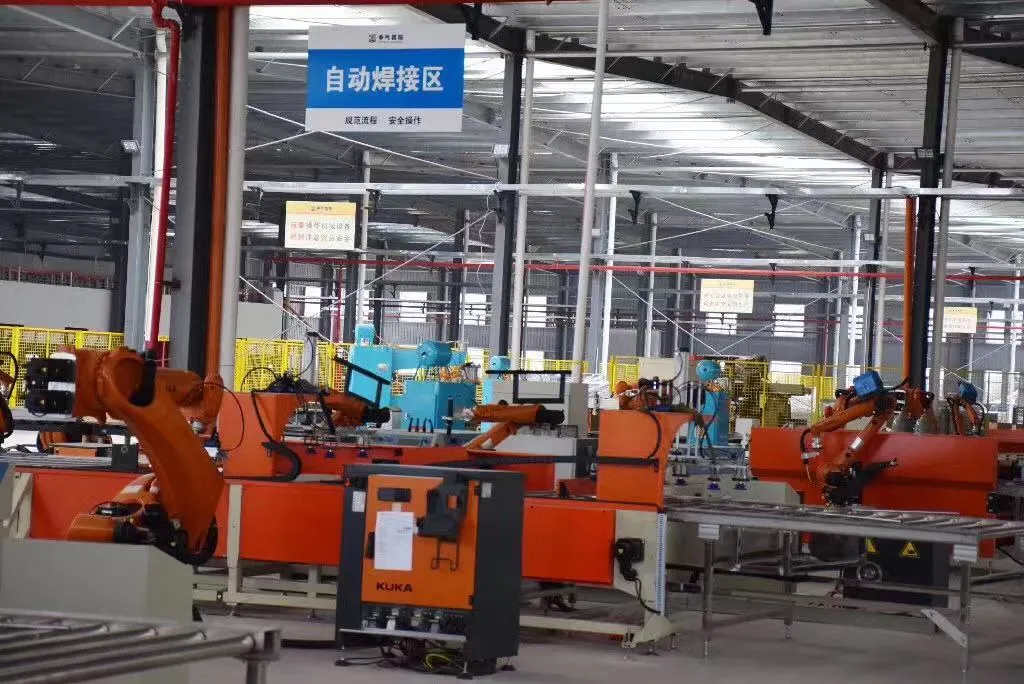
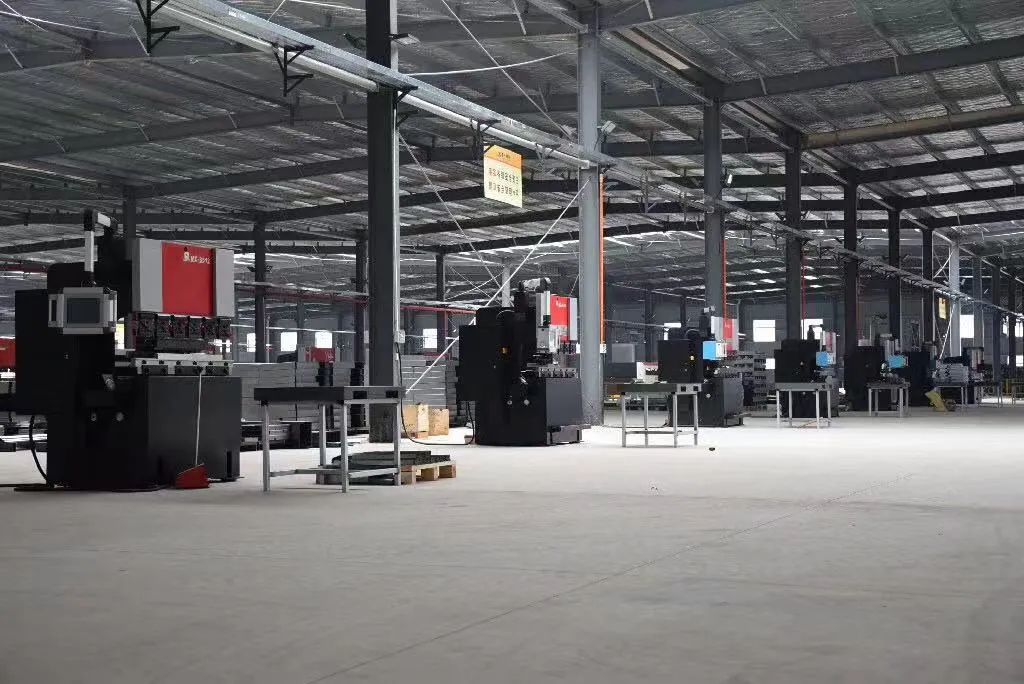
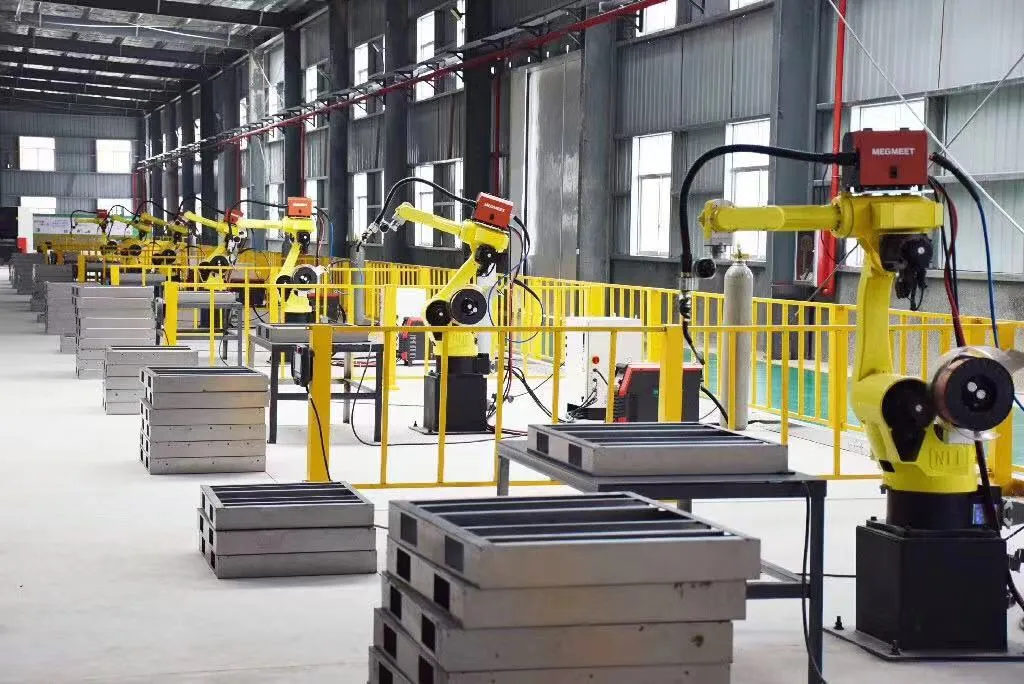

A metal chip no bigger than a grain of sand is enough to score a screw compressor airend. In grinding, stamping, and metal-fabrication plants, screw compressor intake filtration is the first line of defense against ferrous dust entering the inlet every minute the machine runs. If the inlet only catches visible dirt, the air end, motor, and VFD are quietly wearing out. This guide explains what to check before that damage shows up in your electricity bill or a rotor rebuild.
Why Ordinary Inlet Filters Are Not Enough
Most paper and foam inlet filters separate particles by size. They stop dust that is large enough to be caught, but fine metallic particles can still pass through or work their way around a poorly sealed housing. Once inside, those particles become abrasive media in the oil and air stream.
Panrui’s standard design uses a magnetic stainless-steel inlet screen. The screen blocks incoming dust and attracts ferrous metal particles before they can reach the air end, motor, and VFD. That matters because those are the three highest-cost assemblies in a rotary screw air compressor. Compare your duty cycle and machine options on the rotary screw air compressor page before you settle for a filter that only looks clean.
The Three Expensive Failures Metal Dust Causes
- Air end rotor scoring. Ferrous particles embedded in the oil film grind against the rotors and housing, reducing clearance control and eventually lowering flow.
- Motor winding contamination. Dust that reaches the motor cooling path can block heat transfer, raise winding temperature, and shorten insulation life.
- VFD cooling failure. Dust accumulation on a drive heat sink can push the VFD toward overtemperature trips and premature component failure.
Compressed air systems commonly account for 10–30% of a factory’s electricity, and the compressor is roughly 96% of that system’s energy use. A dirty or bypassing inlet therefore costs you twice: first through abrasive wear, then through rising specific power as the compressor works harder to pull the same air volume.
A magnetic screen is not a substitute for routine service. It reduces the damaging particles that reach downstream components, but the screen still needs cleaning or replacement. A blocked screen that is never inspected can starve the compressor, raise the compression ratio, and erase the energy advantage you bought. Schedule intake inspection with every oil change, and more often in grinding or stamping plants.
What to Check on the Inlet Side
- Magnetic stainless-steel screening, not only a plain paper or mesh panel.
- A fully enclosed cabinet with sealed joints so dust cannot bypass the filter.
- Easy access for inspection without removing the enclosure.
- An inlet pressure-drop check as part of service, not just a visual filter change.
- Protection that covers the VFD compartment as well as the air end and motor.
The same intake protection logic applies to larger systems, including two-stage screw compressors that run at higher compression ratios. If the inlet is letting dust through, the added efficiency of a two-stage air end is being spent on avoidable wear.
Why the Warranty Signal Matters
Panrui backs the complete machine for two years, while many suppliers still offer only one year. The longer warranty is a useful buying signal because the inlet screen, enclosure, air end, motor, and VFD are covered as one system. Ask the supplier to put the exact warranty period and replacement policy in the quotation, not in a verbal promise.
Buyer Checklist Before You Sign
- Request the intake screen material and confirm it is magnetic stainless steel.
- Ask how the enclosure seals around doors, panels, and cable entry points.
- Confirm the warranty period for the air end, motor, and VFD together.
- Ask for the inlet pressure-drop test method and replacement interval.
- Request a factory photo or video of the intake path before shipment.
If you are importing screw air compressors for dusty plants or metalworking customers, get the intake filtration specification in writing. For a machine quote with the right inlet protection and warranty terms, contact us with your operating pressure, flow, and dust conditions.