

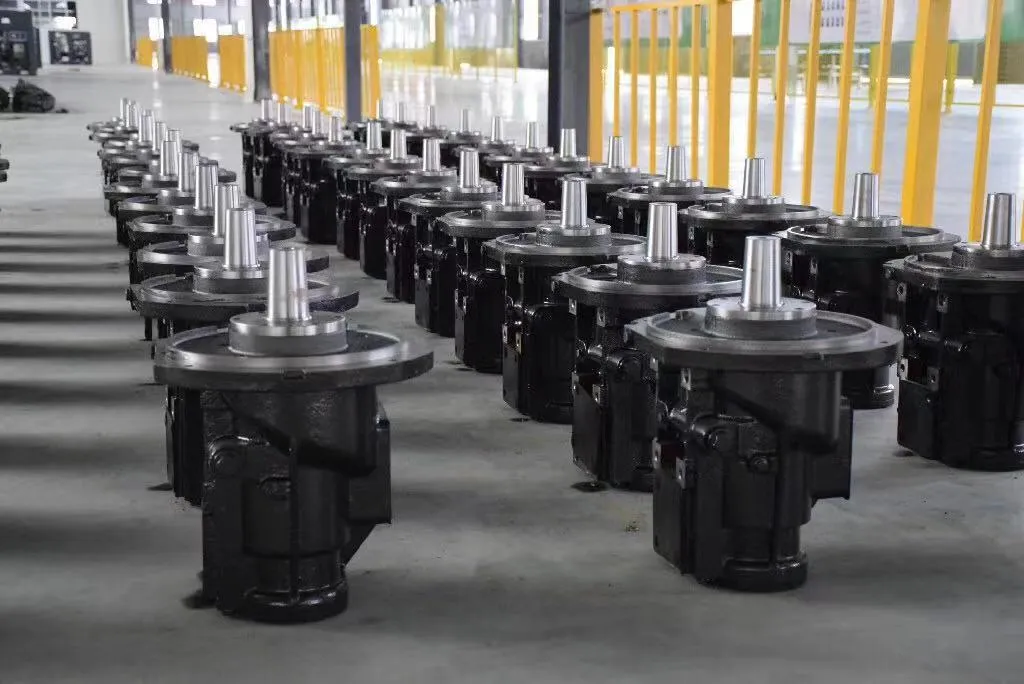
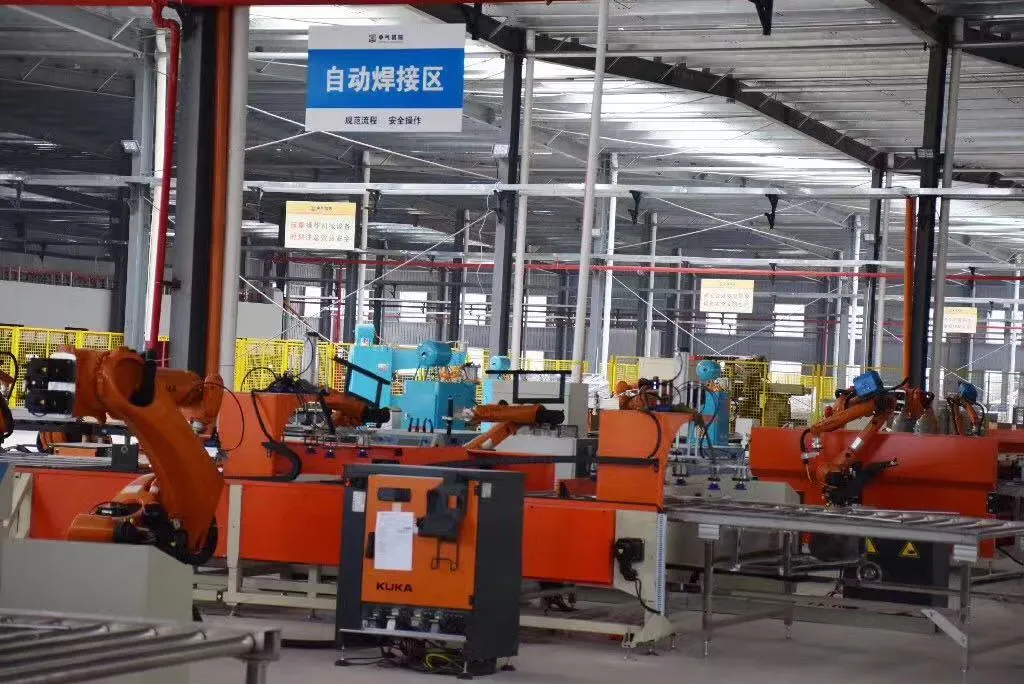
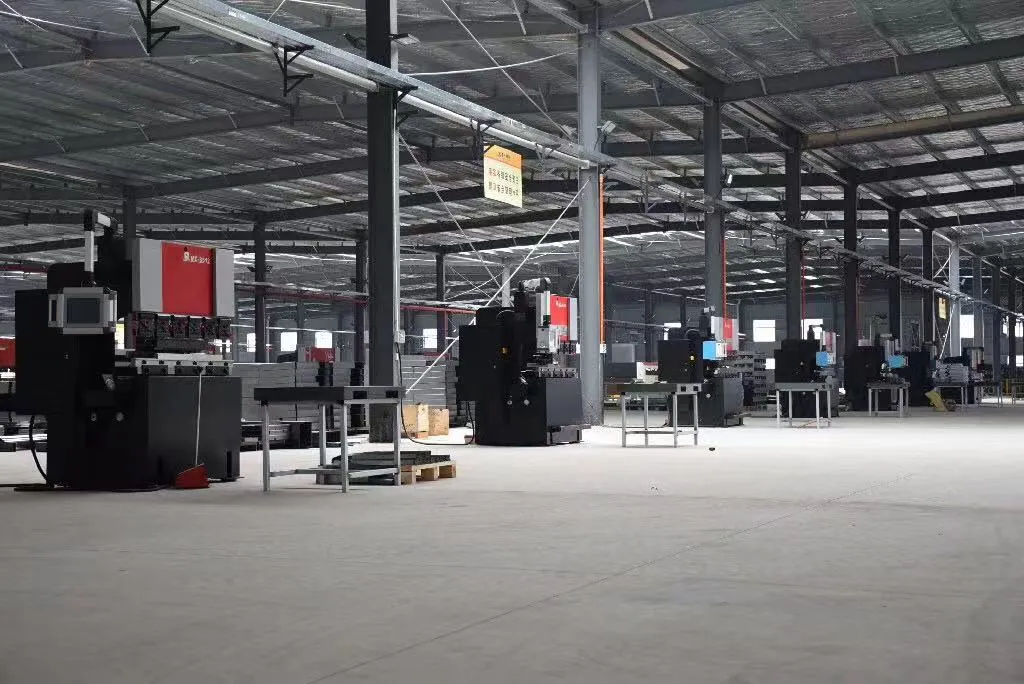
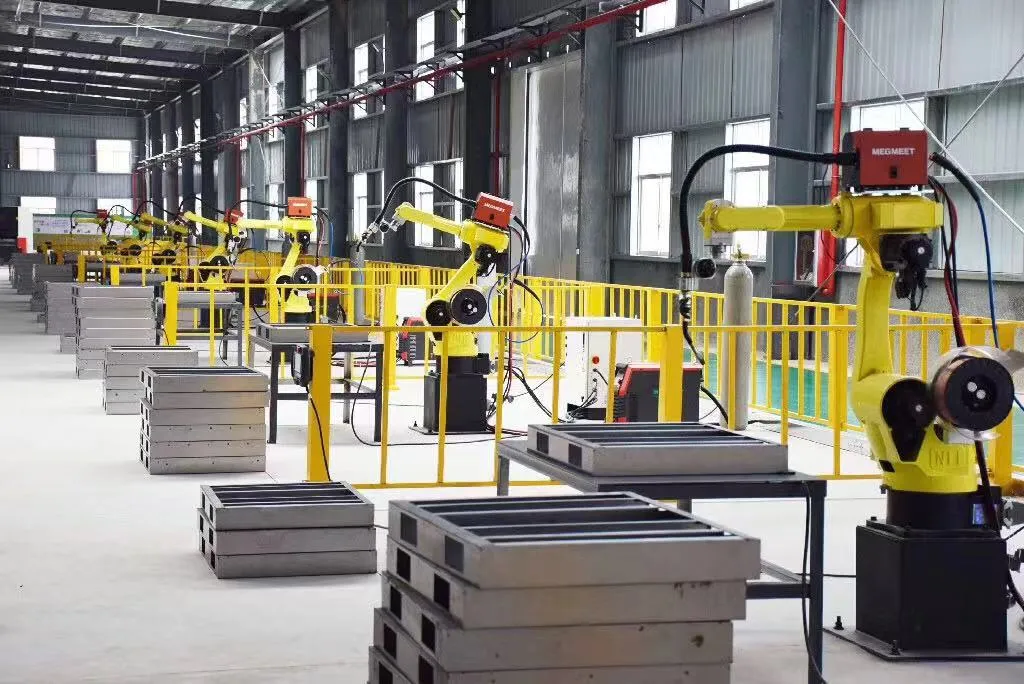

One under-specified rotary screw air compressor can quietly burn ¥19,558 (about $2,700) in wasted electricity every year. On a 22 kW unit, a specific power of 8.15 kW per cubic meter per minute instead of the 6.5 kW/m³ you were quoted costs you 39.6 kWh a day — and you usually only find out when the power bill arrives. The cheapest protection is boring paperwork: request the right screw compressor supplier documents before you send any money.
Why Supplier Documents Decide Your Power Bill
Purchase price is the smallest part of a screw compressor’s ten-year cost. Electricity dominates, which is why the difference between a good machine and a bad one shows up as specific power, not sticker price. Single-stage screw units typically run 7.0 to 7.9 kW/m³, while a two-stage unit of the same class can drop to 5.9 to 6.8 kW/m³. That gap is worth 20% to 50% in energy savings over an old fixed-speed machine — but only if the supplier proves it on paper.
The 10-Point Screw Compressor Supplier Documents Checklist
Before you release the deposit, ask for these ten files. A serious supplier already has them; a reseller who stalls is hiding a specific-power or warranty problem.
- Performance data sheet — flow, pressure, and specific power (kW per m³/min) at rated pressure, not peak flow.
- ISO 1217 / CAGI-style test report — a dated report with the machine serial number that verifies the specific-power claim.
- Energy efficiency certificate — a national Level-1 energy rating, which two-stage machines above 55 kW should carry.
- Factory run report — proof of a 12-hour continuous full-load test before shipping.
- Noise test report — measured 1 meter from the closed enclosure, normally around 70 dB for a well-built unit.
- Warranty certificate — exact coverage in writing: air end years, inverter years, and parts included.
- Wiring diagram — electrical schematic matched to your voltage and frequency.
- Dimensional and installation drawing — footprint, pipe connections, and ventilation clearance.
- Spare parts list and maintenance manual — filter part numbers and service intervals, not a one-page brochure.
- CE / ISO certificates and shipping documents — compliance papers plus packing list and HS code for customs.
Read Specific Power Before You Compare Quotes
Specific power is the single number that exposes an overpriced or underperforming machine. Take a 22 kW installation: the old unit ran at 8.15 kW/m³, while the replacement two-stage screw compressor runs at 6.5 kW/m³. The 1.65 kW-per-hour difference saves about 39.6 kWh a day, and at 300 operating days and ¥0.8 per kWh that is ¥19,558 a year. Multiply across a plant running two or three shifts and the gap pays for the machine.
Watch pressure, too. Every extra 1 bar of discharge pressure costs roughly 8% more energy, so a supplier who sells you a 10 bar unit “for safety” when you only need 8 bar is quietly selling a higher power bill.
Three Red Flags in the Paperwork
- No specific power at rated pressure. A data sheet that only lists maximum flow, without kW/m³, hides poor efficiency.
- A test report without a serial number or date. A generic PDF proves nothing about your machine.
- A warranty with years but no parts. “Five years” means nothing if the air end or inverter is excluded.
What Buyers Get Wrong
- “A famous brand doesn’t need proof.” The same brand sells machines at several specific-power levels. Verify the exact model.
- “I’ll test it when it arrives.” By then the deposit is gone and returns cost more than the documents did.
- “More paperwork means a higher price.” These reports already exist at the factory. Asking costs you nothing.
Your Next Step
Send the ten-document checklist with your next inquiry and compare the specific-power figures side by side. If you are evaluating machines, start with a rotary screw air compressor that publishes its specific power, energy certificates, and warranty terms up front, then confirm the numbers over a factory video call before payment. A variable speed drive machine is worth the upgrade only when the supplier proves the efficiency gain in the same report format.