


The Ultimate Guangdong Permanent Magnet Screw Compressor Guide (2026)
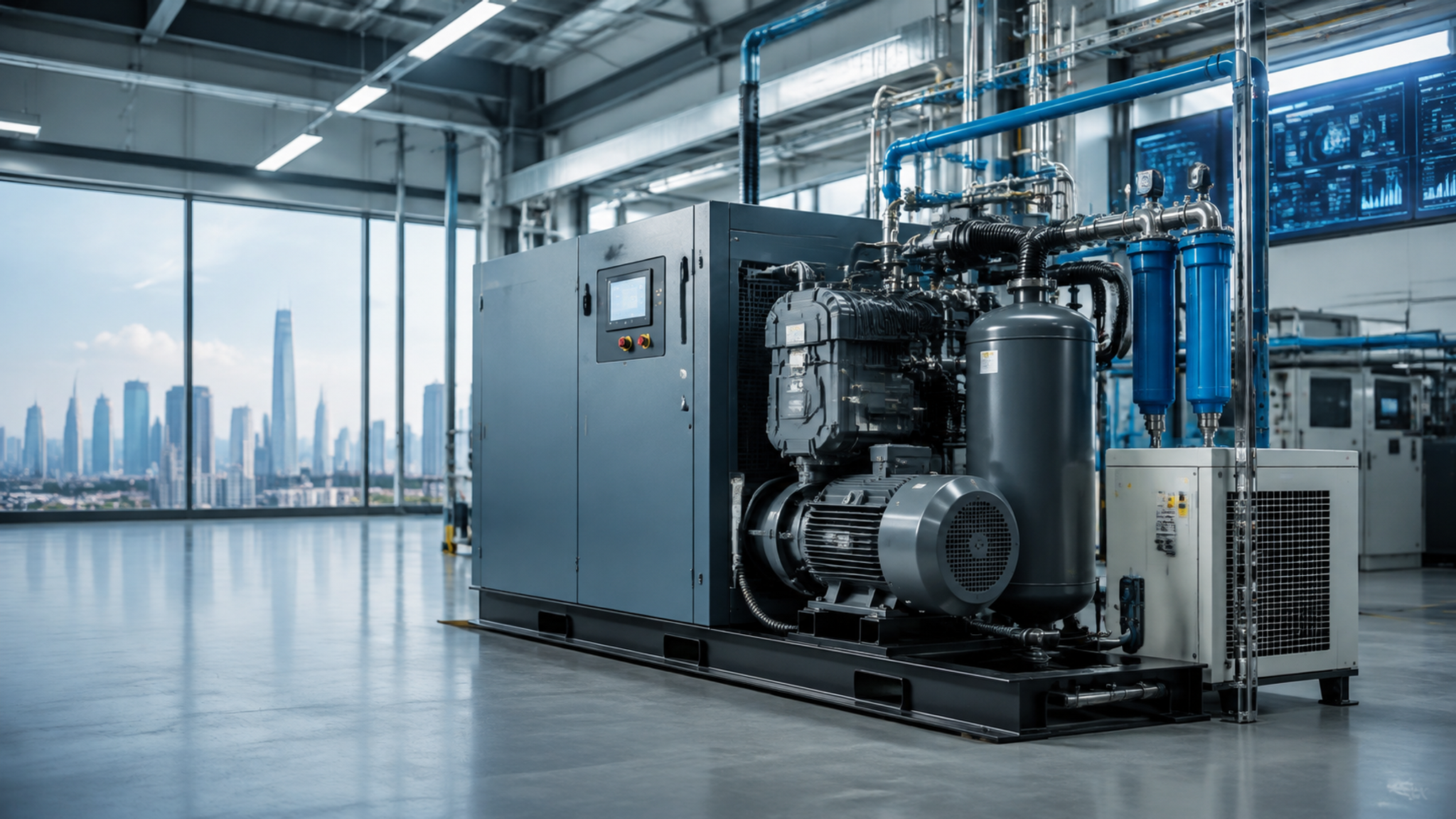
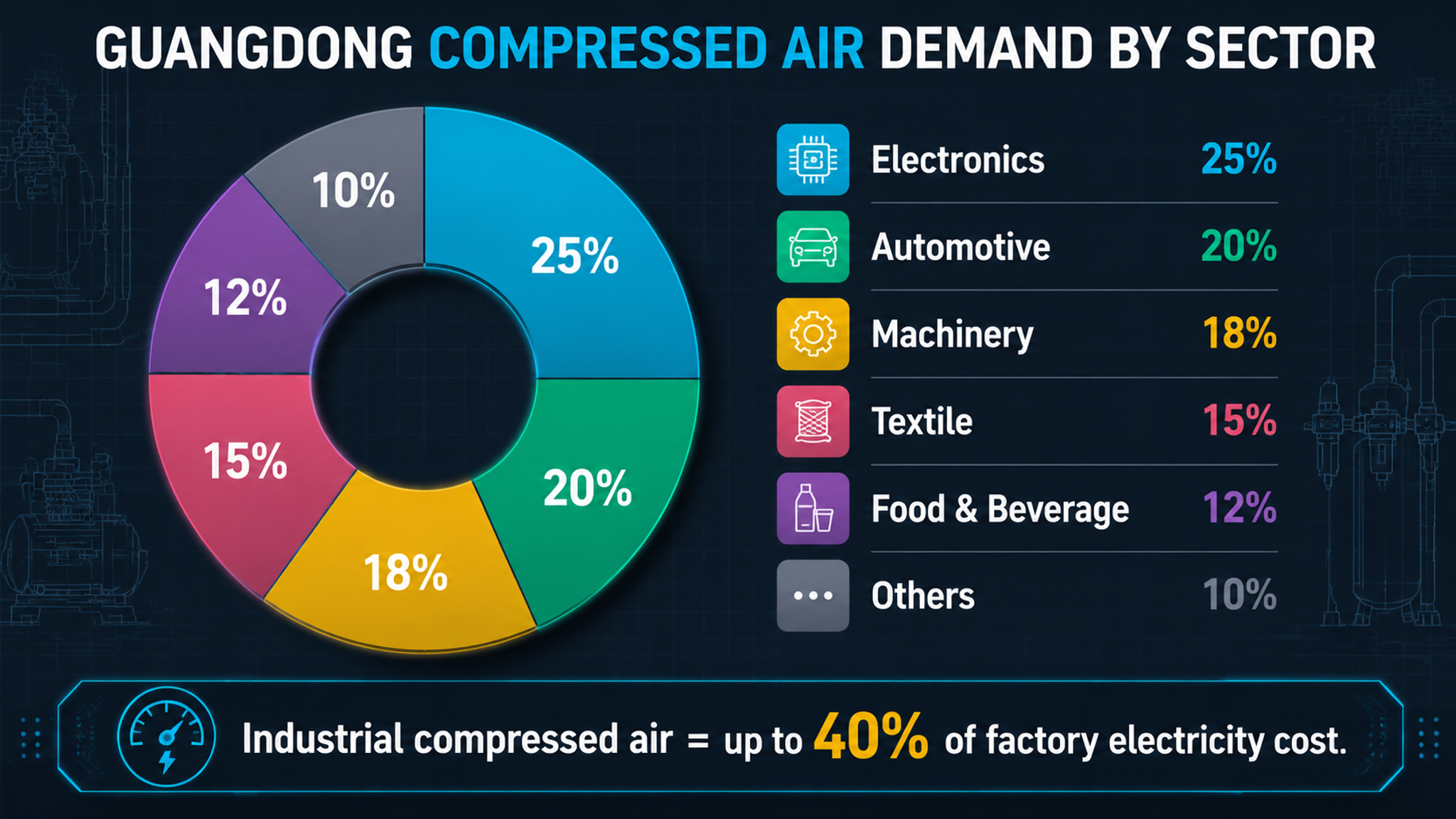
In Guangdong’s rapidly evolving industrial landscape, compressed air systems account for 10% to 40% of total factory electricity consumption — making them one of the largest operational expenses for manufacturing facilities. For businesses evaluating Permanent Magnet Screw Compressor, understanding the interplay between capital investment, energy efficiency, and long-term reliability has never been more critical. This comprehensive guide examines every factor that Guangdong manufacturers must consider when making this essential equipment decision in 2026.
The compressed air market in Guangdong has undergone significant transformation over the past five years. Rising electricity costs, stricter environmental regulations, and increasing awareness of total cost of ownership have driven a fundamental shift in how industrial buyers approach compressor procurement. Gone are the days when purchase price alone determined the decision — today’s informed buyers demand verified efficiency data, transparent lifecycle cost analysis, and proven reliability records.
Specification Checklist for Permanent Magnet Screw Compressor Buyers in Guangdong
This specification checklist provides a comprehensive framework for evaluating and comparing Permanent Magnet Screw Compressor options in the Guangdong market.
Performance Specifications: Rated power and rated pressure; free air delivery at rated conditions; specific power at full load and part load; turn-down ratio for VFD units; startup current; noise level.
Technical Features: Compressor type (oil-injected or oil-free); number of compression stages; drive type; motor type and efficiency class; cooling system; controller features and communication protocols.
Quality and Certifications: ISO 9001 certification; CE certification; GB 19153 energy efficiency grade; warranty period and coverage details; extended warranty options.
Service and Support: Service network coverage in Guangdong; response time commitment; spare parts availability; maintenance program options; remote monitoring service availability; training availability.
Energy Cost Savings: Quantifying the Impact of Efficient Permanent Magnet Screw Compressor
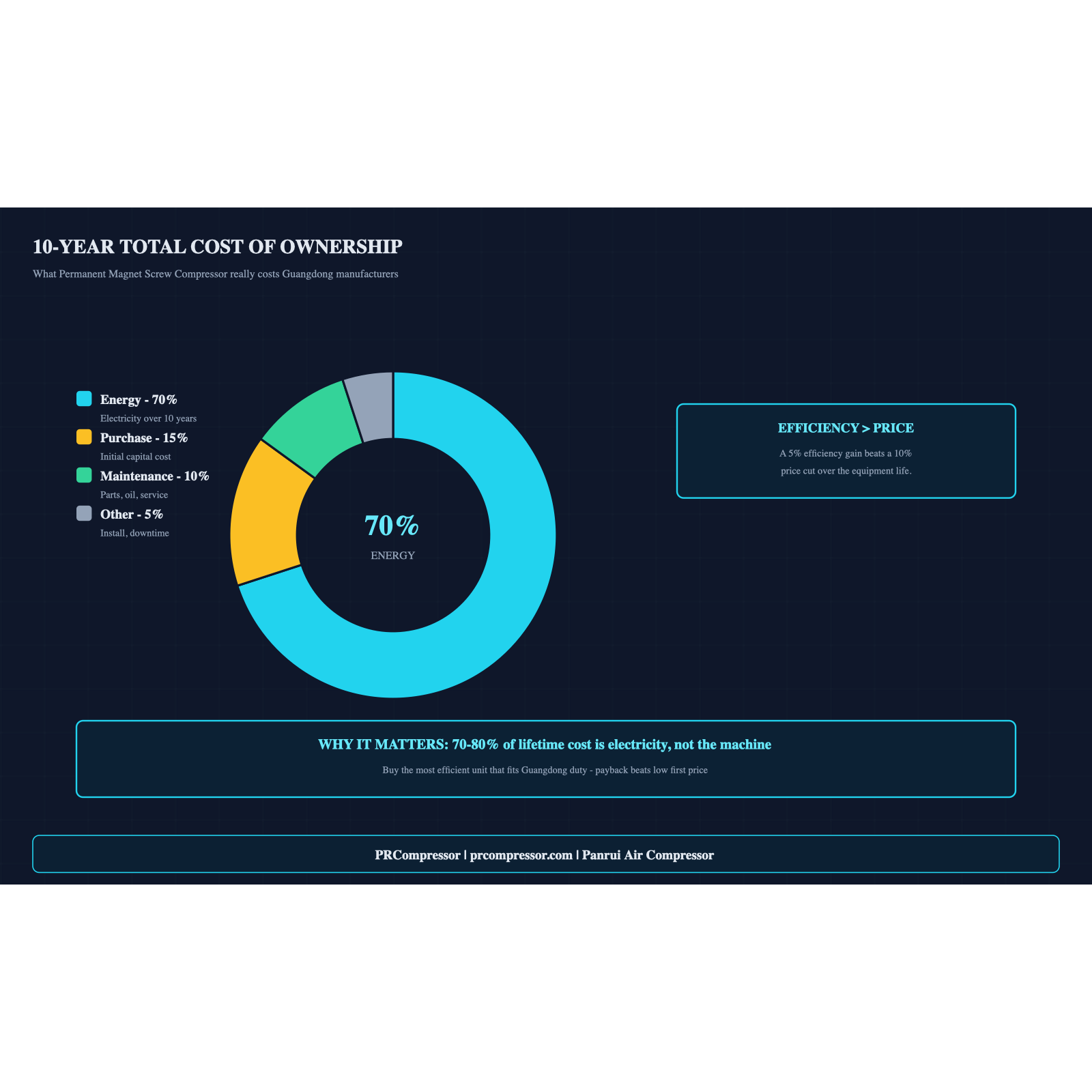
For Guangdong manufacturers, energy cost savings represent the largest and most predictable benefit of investing in efficient Permanent Magnet Screw Compressor. The magnitude of these savings depends on the efficiency difference between current and new equipment, the operating profile, local electricity rates, and the specific technology choices made.
The most important metric for comparing compressor energy efficiency is specific power. A typical older fixed-speed compressor might have a specific power of 7.0-7.5 kW/(m³/min). A modern premium-efficiency VFD compressor with PMSM motor technology might achieve 5.2-5.8 kW/(m³/min) — representing a 20-30% improvement. For a facility operating a 75kW compressor 6,000 hours per year, this translates to annual energy savings of 100,000-150,000 kWh worth ¥80,000-150,000.
The savings from VFD technology are additional to the savings from improved mechanical efficiency. For facilities with variable air demand, VFD technology typically reduces energy consumption by an additional 30-50%. The combined effect can reduce total compressed air energy costs by 40-60% compared to older fixed-speed equipment.
For Guangdong facilities considering a compressor upgrade, the following steps will produce a reliable energy savings estimate: measure current compressed air energy consumption; determine your facility’s demand profile; obtain specific power data from suppliers of candidate equipment; calculate potential energy savings; and apply your effective electricity rate to convert energy savings to cost savings.
Payback Period Analysis for Permanent Magnet Screw Compressor Investments in Guangdong
Payback period is the most commonly used metric for evaluating compressor upgrade projects in Guangdong manufacturing facilities. Replacing an older fixed-speed compressor with a modern premium VFD model typically achieves payback in 12-24 months. Upgrading from standard-efficiency to premium-efficiency typically achieves payback in 18-36 months.
System-level improvement projects often achieve the shortest payback periods. Fixing compressed air leaks can reduce total system energy consumption by 20-30% at costs recovered within 3-6 months. Reducing system pressure by 1 bar saves 6-8% of compressor energy at essentially no cost. These quick-payback projects should be implemented alongside major equipment investments.
For Guangdong manufacturers developing a compressed air system investment plan, a phased approach that prioritizes quick-payback system improvements while also planning for longer-payback equipment upgrades typically provides the best overall financial outcome.
Permanent Magnet Screw Compressor for Textile Manufacturing in Guangdong
Textile manufacturing is a traditional and still-important industry in Guangdong, with substantial compressed air requirements for weaving machines, knitting equipment, air-jet looms, and finishing processes. The compressed air demand in textile facilities is typically continuous and relatively stable.
Air-jet looms — a staple of modern textile production — are particularly sensitive to compressed air quality and stability. These machines use precisely controlled jets of compressed air to insert weft yarns during the weaving process, and any variation in pressure or air quality can cause weaving defects.
The efficiency of compressed air systems is a significant cost factor in textile manufacturing, where energy costs represent a substantial portion of total production costs. For Guangdong textile mills operating multiple air-jet looms, the compressed air system’s energy consumption can account for 20-30% of total facility electricity usage.
For Guangdong textile manufacturers, the selection of Permanent Magnet Screw Compressor should balance efficiency, reliability, and service support. Textile production is typically continuous, so compressor reliability and service responsiveness are particularly important.
Industry Applications at a Glance
The Guangdong Industrial Compressed Air Market: 2026 Overview
Guangdong continues to strengthen its position as one of China’s premier manufacturing regions, with a diverse industrial base spanning electronics, automotive parts, machinery, textiles, and consumer goods. This industrial diversity creates substantial demand for Permanent Magnet Screw Compressor, as compressed air is essential across virtually all manufacturing sectors. Understanding the specific characteristics of the Guangdong market is important for making informed procurement decisions.
Several trends are shaping the Guangdong compressed air market in 2026. First, rising electricity costs are driving strong demand for energy-efficient compressor technologies. Second, the ongoing industrial upgrade and automation trend is increasing both the quantity and quality of compressed air required by Guangdong manufacturers. Third, growing environmental awareness and regulatory pressure are encouraging facilities to adopt more efficient and sustainable compressed air solutions.
The competitive landscape in Guangdong includes both international brands with local representation and domestic manufacturers with strong regional presence. International brands such as Atlas Copco, Ingersoll Rand, and Kaeser maintain a significant presence through authorized distributors and service centers. Domestic manufacturers, particularly those based in the Pearl River Delta region such as PRCompressor, offer competitive alternatives with advantages in pricing, lead times, and local service responsiveness.
For Guangdong manufacturers evaluating Permanent Magnet Screw Compressor suppliers, the availability of local service and support should be a primary evaluation criterion. Compressed air systems are production-critical equipment, and the ability to obtain responsive service — including emergency repairs, routine maintenance, and spare parts — is essential for maintaining production reliability.
Oil-Free vs Oil-Injected Permanent Magnet Screw Compressor: Making the Right Choice for Guangdong
One of the most important decisions when selecting Permanent Magnet Screw Compressor is whether oil-free or oil-injected technology is appropriate for your application. Each approach has distinct advantages and limitations that make it suitable for different industrial applications. Understanding these differences is essential for making an informed procurement decision that balances performance requirements with budget constraints.
Oil-injected screw compressors — the most common type in Guangdong industrial facilities — use specially formulated compressor oil injected into the compression chamber for three purposes: sealing the clearance between rotors to minimize internal leakage, lubricating the rotors and bearings, and absorbing the heat of compression. This design is simple, reliable, and cost-effective, with lower initial purchase cost and wider service network availability. Modern oil-injected compressors with high-efficiency oil separation systems achieve residual oil content below 3 ppm, which is acceptable for most general industrial applications.
Oil-free screw compressors, by contrast, achieve compression without any oil in the compression chamber through precision-engineered rotor clearances, specialized rotor coatings, and separate lubrication systems. These units deliver 100% oil-free air, making them essential for critical applications such as pharmaceutical manufacturing, food and beverage processing, electronics fabrication, and paint spraying. The trade-offs include higher initial cost and generally lower energy efficiency due to larger rotor clearances required.
For most Guangdong manufacturing applications, high-quality oil-injected Permanent Magnet Screw Compressor with appropriate filtration provides adequate air quality at a significantly lower total cost of ownership. However, for facilities in the pharmaceutical, food processing, electronics, or precision coating industries, the investment in oil-free technology is justified by the quality assurance requirements and the cost of potential contamination incidents.
Variable Frequency Drive Technology: Matching Supply to Demand
Variable frequency drive (VFD) technology fundamentally changes how screw compressors respond to fluctuating air demand. Instead of the wasteful load/unload cycling that characterizes fixed-speed compressor operation, VFD-equipped compressors automatically adjust their motor speed — and therefore their air output — to match real-time demand. This capability is particularly valuable in Guangdong manufacturing environments where air demand frequently varies between shifts, production runs, and seasonal production cycles.
The energy savings from VFD technology are well documented. A Permanent Magnet Screw Compressor with VFD capability typically uses 30-50% less energy than an equivalent fixed-speed unit operating under the same variable demand profile. The savings come from two primary mechanisms: eliminating the unloaded running time during which fixed-speed compressors continue to consume 25-40% of full-load power while producing no useful work, and operating at reduced speeds during periods of lower demand, where the relationship between speed reduction and power reduction follows the cube law effect.
Modern VFD compressors available in the Guangdong market offer operating ranges from 25% to 100% of rated capacity. Advanced control algorithms manage the transition between VFD and fixed-speed operation in multi-compressor systems, ensuring optimal efficiency across the full range of facility demand. Pressure stability is maintained within ±0.1 bar, compared to ±0.5-1.0 bar typical of load/unload controlled systems — a significant advantage for processes sensitive to pressure variation.
For Guangdong manufacturers with variable air demand — which includes most facilities outside of truly continuous 24/7 operations — VFD technology represents the most cost-effective path to reduced compressed air energy costs. The typical payback period for the VFD premium in Guangdong industrial applications ranges from 12 to 24 months, after which the savings contribute directly to improved profitability.
Smart Control Systems: The Brain Behind Modern Permanent Magnet Screw Compressor
The controller is the brain of any modern screw compressor, and the sophistication of the control system has a direct impact on operating efficiency, reliability, and maintenance costs. Contemporary Permanent Magnet Screw Compressor available in the Guangdong market feature advanced microprocessor-based controllers that do far more than simply start and stop the compressor. These intelligent systems continuously monitor operating parameters, optimize performance based on real-time conditions, communicate with other equipment, and provide actionable data for maintenance planning and energy management.
Key control features to look for when evaluating Permanent Magnet Screw Compressor include adaptive PID pressure control that minimizes pressure band width and reduces energy consumption; multi-compressor sequencing logic that optimizes the operation of multiple units for maximum system efficiency; and configurable operating schedules that match compressor availability to production requirements. Premium controllers offer additional capabilities such as automatic restart after power failure, remote monitoring via web-based dashboards or mobile apps, and integration with facility management systems through standard communication protocols including Modbus, Profibus, and Ethernet/IP.
The data generated by modern compressor controllers is valuable for ongoing optimization. Parameters such as specific power, load/unload ratio, operating hours, number of starts, and temperature trends provide insight into both compressor performance and the health of the system. By tracking these parameters over time, facility managers in Guangdong can identify emerging issues before they cause downtime and optimize compressor operation for changing production requirements.
For Guangdong manufacturers managing compressed air systems across multiple facilities or remote locations, IoT-enabled remote monitoring represents a particularly valuable capability. Centralized monitoring platforms allow compressor performance, energy consumption, and maintenance status to be tracked across all facilities from a single dashboard, enabling proactive management and consistent optimization across the enterprise.
Visual Guide: How Permanent Magnet Screw Compressor Compares
Frequently Asked Questions About Permanent Magnet Screw Compressor in Guangdong
How much does Permanent Magnet Screw Compressor typically cost in Guangdong?
The cost varies widely depending on capacity, technology, and brand. A basic 37kW fixed-speed oil-injected unit typically costs ¥80,000-120,000 installed, while a premium 75kW VFD permanent magnet unit may cost ¥180,000-280,000. Larger industrial units (160-250kW) can cost ¥350,000-650,000 or more. Installation costs add 15-25% to equipment cost. The most important thing is that energy costs will exceed the purchase price within 2-3 years.
How long does Permanent Magnet Screw Compressor last in typical Guangdong industrial use?
A well-maintained compressor typically operates for 10-15 years before major component replacement is required, with many units continuing in service for 20+ years. The airend typically requires overhaul at 40,000-80,000 operating hours. Key factors include operating conditions, maintenance quality, and original equipment quality.
Is VFD Permanent Magnet Screw Compressor worth the extra cost in Guangdong?
For most facilities with variable air demand, VFD technology is very much worth the investment. The typical payback period is 12-24 months, driven by 30-50% energy savings compared to fixed-speed operation. Facilities with constant 24/7 demand may not benefit as much.
What size Permanent Magnet Screw Compressor do I need for my Guangdong facility?
The right size depends on actual demand measurement. As a rough guide: small workshop with pneumatic tools needs 1-4 m³/min (7.5-22 kW); medium facility needs 5-13 m³/min (30-75 kW); large industrial plant needs 15-35 m³/min (90-200 kW).
Investment Perspective: Permanent Magnet Screw Compressor as a Strategic Asset
Viewing Permanent Magnet Screw Compressor through the lens of strategic asset management can transform how Guangdong manufacturers approach their compressed air investments. A compressor is not merely a utility — it is a production-critical asset whose performance directly impacts competitiveness, efficiency, and environmental performance.
Strategic metrics include: energy cost per unit of production output; compressed air availability as a percentage of production time; and compressed air cost as a percentage of total facility operating costs. Manufacturers who adopt this strategic approach achieve measurably better outcomes.
For Guangdong manufacturers ready to take this strategic approach, PRCompressor (Panrui) offers the expertise, product range, and support infrastructure needed to succeed. Contact us at 13713647073 or prcompressor.com.
Keywords: compressor buyer’s guide, permanent magnet screw compressor, industrial compressed air, energy saving compressor, guangdong compressor, industrial air compressor, compressor energy efficiency, screw air compressor, compressor supplier, guangdong manufacturer
Contact PRCompressor (Panrui) for permanent magnet screw compressor in Guangdong: Phone 13713647073 | prcompressor.com