


The Ultimate Zhuhai Energy Saving Air Compressor Guide (2026)
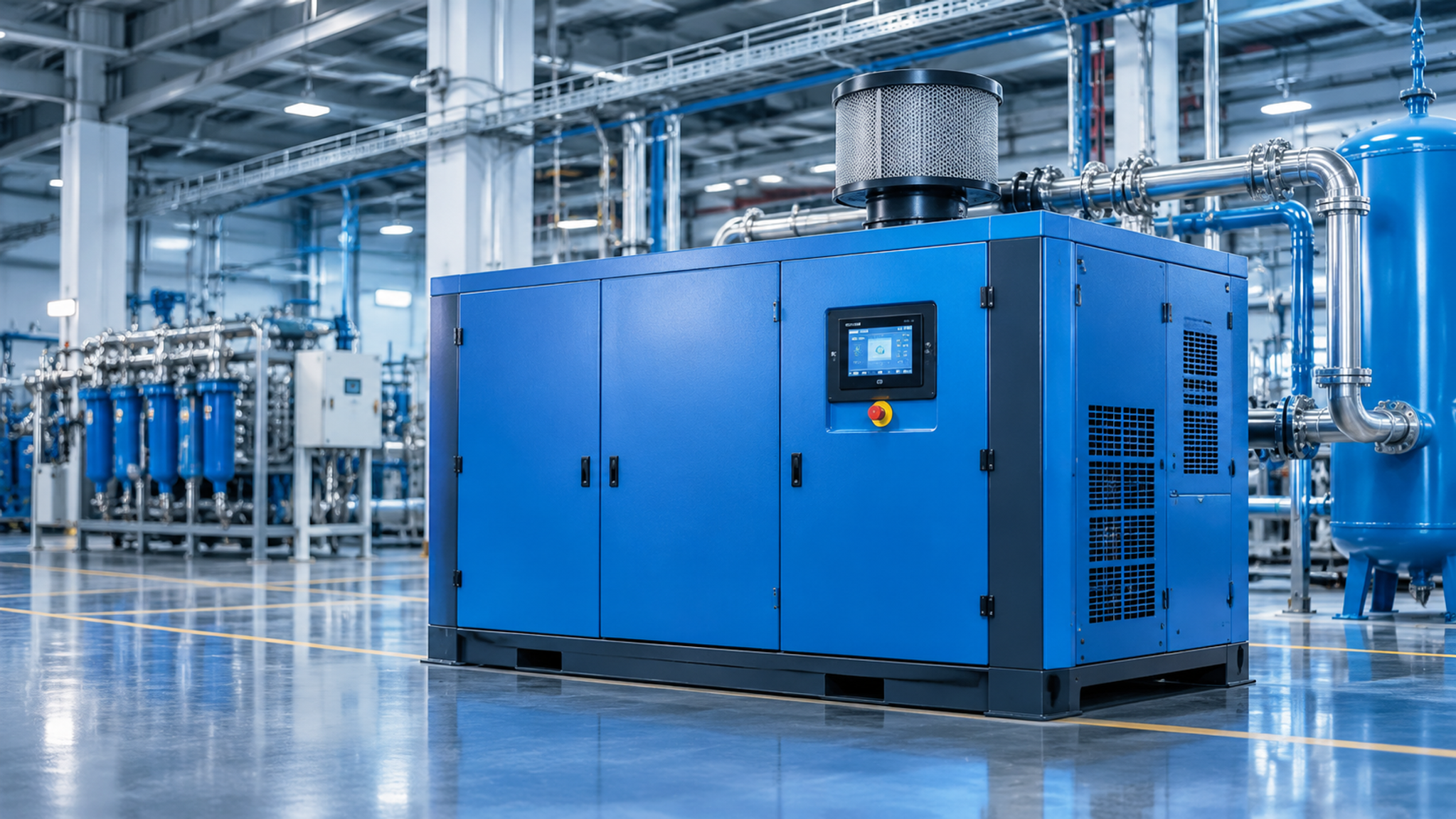
According to recent industry reports, the global industrial air compressor market is projected to grow significantly through 2030, with the Asia-Pacific region accounting for the largest share of growth. Within China, Zhuhai represents a significant and growing market for Energy Saving Air Compressor, driven by ongoing industrial automation, factory modernization initiatives, and increasing emphasis on energy efficiency. Understanding the key trends shaping this market is essential for making informed procurement decisions.
This report provides a thorough analysis of the Energy Saving Air Compressor market in Zhuhai, including technology trends, competitive landscape, pricing dynamics, and selection criteria. Drawing on industry data, manufacturer specifications, and real-world installation experience, we offer practical guidance for Zhuhai facilities seeking to optimize their compressed air infrastructure.
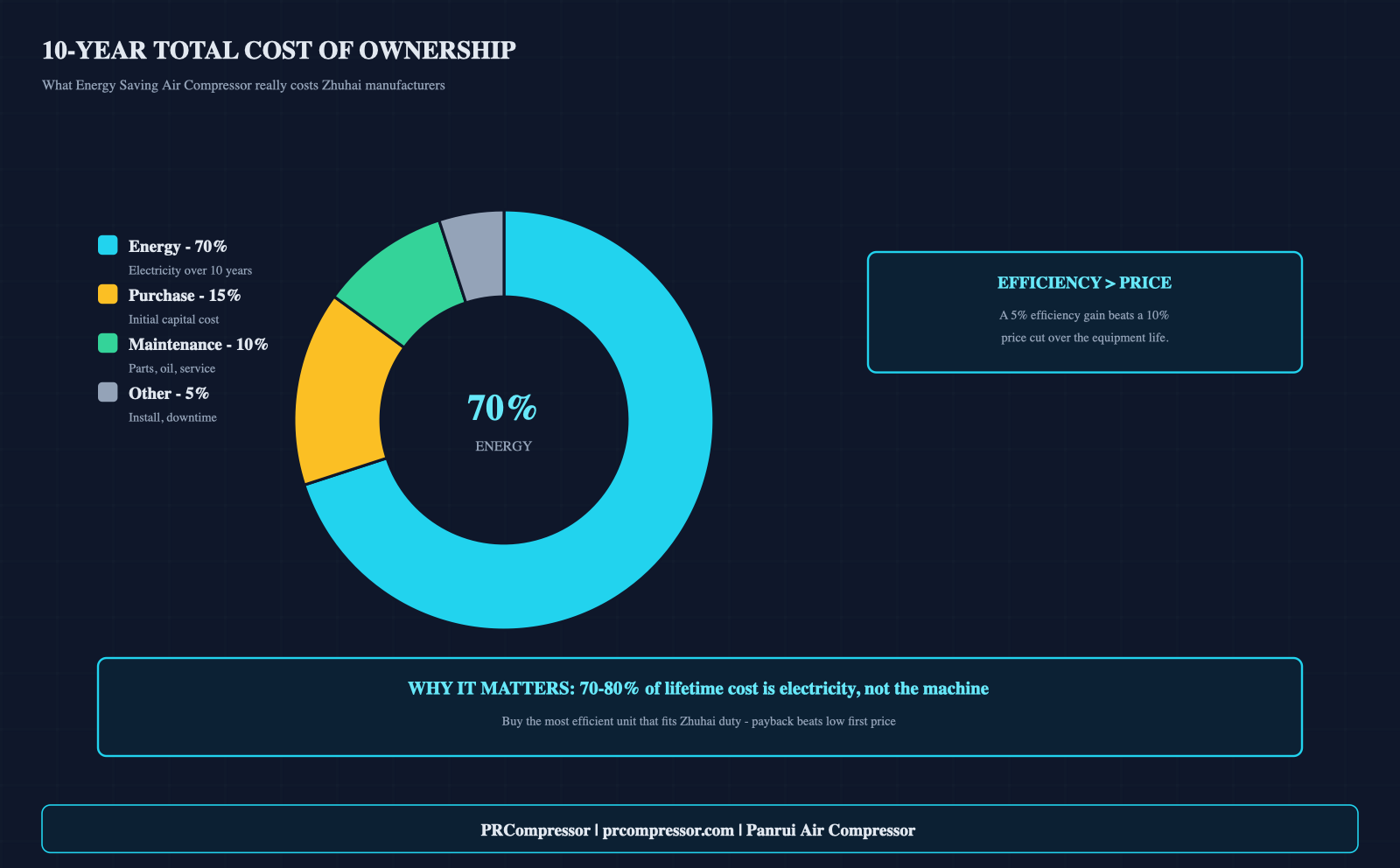
Visual Guide: How Energy Saving Air Compressor Compares
Common Mistakes to Avoid When Buying Energy Saving Air Compressor in Zhuhai
Experience shows that Zhuhai manufacturers often make predictable mistakes when purchasing Energy Saving Air Compressor. Being aware of these common errors will help you avoid them and make a better procurement decision.
Mistake 1: Buying on Price Alone — The most common and most costly mistake. The compressor with the lowest purchase price is almost never the most economical choice over its operating life. Evaluate proposals based on 5-year or 10-year total cost of ownership, not purchase price.
Mistake 2: Oversizing the Compressor — Many facilities purchase compressors significantly larger than actual needs, causing inefficient part-load operation and wasted energy. Conduct a proper demand assessment and size the compressor to match actual requirements.
Mistake 3: Neglecting System Design — Focusing exclusively on the compressor while neglecting piping, storage, air treatment, and condensate management can negate the benefits of even the best compressor. Evaluate the complete system.
Mistake 4: Ignoring Service Capability — Choosing a compressor without verifying the supplier’s service capabilities in your area is a recipe for future frustration. Verify service network coverage and response time commitments.
Mistake 5: Skipping the Audit — Investing in new equipment without first understanding your current system’s performance is like treating symptoms without a diagnosis. Invest in a professional audit before making procurement decisions.
Technical Specifications Comparison: Energy Saving Air Compressor Options in Zhuhai
Fixed-Speed Oil-Injected: 7.5-250 kW, 7-13 bar, specific power 6.5-7.2 kW/(m³/min) at 37kW/8bar, noise 68-78 dB(A), IE3 motor. Best for constant demand.
VFD Oil-Injected (Premium): 7.5-355 kW, 7-13 bar, specific power 5.8-6.5 kW/(m³/min), turndown 25-100%, noise 65-75 dB(A), IE4/IE5 PMSM motor. Best for variable demand.
Two-Stage VFD (Maximum Efficiency): 37-315 kW, 8-15 bar, specific power 5.2-5.8 kW/(m³/min), IE5 PMSM motor. Best for high pressure, maximum efficiency.
Oil-Free (Specialized): 15-250 kW, 7-10 bar, specific power 6.8-7.5 kW/(m³/min). Best for critical applications requiring oil-free air.
Energy Saving Air Compressor for Construction and Mining in Zhuhai
Construction and mining operations in Zhuhai require robust, portable, and reliable compressed air solutions for rock drilling, pneumatic tools, concrete spraying, and dust control. Unlike factory installations, these systems must operate in harsh environments with challenging conditions.
For construction and mining applications, the selection of Energy Saving Air Compressor prioritizes durability, ease of maintenance, and the ability to operate in adverse conditions over efficiency optimization. While energy efficiency is still important, the primary considerations are typically reliability, serviceability, and spare parts availability in remote locations.
Portability is another key consideration. Trailer-mounted compressors, modular units, and systems designed for easy relocation are common. The ability to quickly move compressed air capacity to different locations is essential for operational flexibility.
For Zhuhai construction and mining companies, the selection of Energy Saving Air Compressor should also consider the availability of service and support in the specific geographic areas where operations will be conducted.
Financing Options for Energy Saving Air Compressor Investments in Zhuhai
The capital investment required for Energy Saving Air Compressor can be substantial, particularly when premium-efficiency equipment is being considered. Fortunately, Zhuhai manufacturers have access to several financing options that can make the investment more manageable and accelerate the realization of energy savings.
Traditional equipment financing — including bank loans and equipment leasing — is the most common approach. Equipment leasing offers advantages including preserving working capital and matching payments to the equipment’s useful life. Some compressor suppliers offer their own financing programs with competitive terms designed to facilitate equipment sales.
Energy performance contracting (EPC) is an increasingly popular alternative for efficiency-focused projects. Under an EPC arrangement, a third-party energy service company (ESCO) finances the equipment upgrade, and the manufacturer repays the investment from the energy savings generated by the new equipment. The ESCO guarantees the savings, making this approach attractive for facilities with limited capital budgets.
Government subsidies and incentives for energy-efficient equipment are also available in many regions of China, including Zhuhai. These programs typically provide direct subsidies or tax credits for investments in equipment that exceeds minimum efficiency standards. Working with a knowledgeable Energy Saving Air Compressor supplier who understands the available incentives can significantly improve the financial case for premium-efficiency equipment.
Service and Support Infrastructure for Energy Saving Air Compressor in Zhuhai
The quality and responsiveness of after-sales service is one of the most important factors in the long-term satisfaction of Energy Saving Air Compressor ownership in Zhuhai. A compressor that is perfectly selected but poorly supported will inevitably disappoint, while a well-supported compressor will deliver reliable service year after year.
Key service considerations include: the availability of factory-trained technicians within the region; the response time for emergency service calls; the availability of genuine spare parts; the quality and comprehensiveness of maintenance programs offered; and the availability of remote monitoring and diagnostic services.
International brands typically offer comprehensive training programs for their service partners and maintain substantial parts inventories at regional distribution centers. Domestic manufacturers often provide more direct service, which can lead to more responsive support and better continuity. Some manufacturers also offer performance guarantee programs that commit to specific efficiency levels.
For Zhuhai manufacturers, a practical approach to evaluating service capabilities is to request references from existing customers in similar industries and ask about their experience with service responsiveness, parts availability, and problem resolution.
Compressed Air Storage: The Buffer That Protects Your Production
Adequate compressed air storage is one of the most cost-effective investments any Zhuhai manufacturing facility can make in their compressed air system. Storage serves multiple critical functions: it stabilizes system pressure during periods of peak demand, reduces the frequency of compressor cycling, provides emergency capacity during a compressor failure, and allows the system to handle transient demand spikes without requiring additional compressor capacity.
The general recommendation for compressed air storage capacity is 20-40 liters per m³/min of compressor capacity for systems with relatively stable demand, increasing to 50-80 liters per m³/min for systems with highly variable demand or critical pressure-sensitive processes. For Zhuhai facilities operating Energy Saving Air Compressor systems with significant demand variation, additional storage capacity is one of the most effective ways to improve system stability and efficiency.
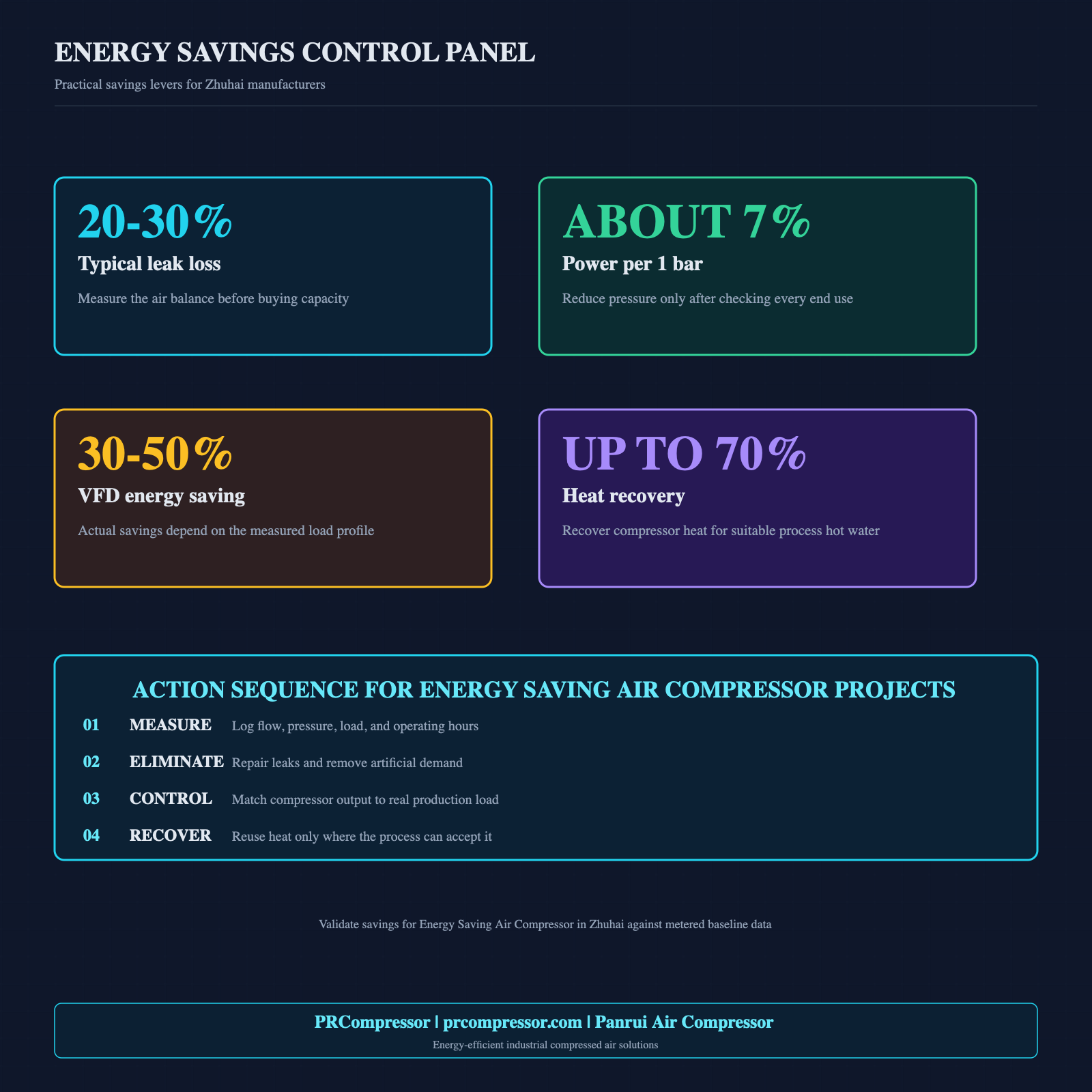
The location of storage within the system also matters. While a single large receiver tank near the compressor room is the most common configuration, distributed storage located near large intermittent demand points can be more effective. This approach reduces the pressure drop in the piping between the storage and the point of use, allowing the compressor to operate at a lower discharge pressure while maintaining adequate pressure at the point of use. The energy savings from a 1 bar reduction in discharge pressure typically amounts to 6-8% of compressor energy consumption.
For Zhuhai manufacturers considering a Energy Saving Air Compressor purchase, including adequate storage capacity in the system design is a low-cost, high-return investment that enhances the performance and efficiency of any compressor configuration. The incremental cost of properly sized storage is typically recovered within 6-12 months through reduced compressor cycling and the ability to operate at lower average discharge pressure.
Oil-Free vs Oil-Injected Energy Saving Air Compressor: Making the Right Choice for Zhuhai
One of the most important decisions when selecting Energy Saving Air Compressor is whether oil-free or oil-injected technology is appropriate for your application. Each approach has distinct advantages and limitations that make it suitable for different industrial applications. Understanding these differences is essential for making an informed procurement decision that balances performance requirements with budget constraints.
Oil-injected screw compressors — the most common type in Zhuhai industrial facilities — use specially formulated compressor oil injected into the compression chamber for three purposes: sealing the clearance between rotors to minimize internal leakage, lubricating the rotors and bearings, and absorbing the heat of compression. This design is simple, reliable, and cost-effective, with lower initial purchase cost and wider service network availability. Modern oil-injected compressors with high-efficiency oil separation systems achieve residual oil content below 3 ppm, which is acceptable for most general industrial applications.
Oil-free screw compressors, by contrast, achieve compression without any oil in the compression chamber through precision-engineered rotor clearances, specialized rotor coatings, and separate lubrication systems. These units deliver 100% oil-free air, making them essential for critical applications such as pharmaceutical manufacturing, food and beverage processing, electronics fabrication, and paint spraying. The trade-offs include higher initial cost and generally lower energy efficiency due to larger rotor clearances required.
For most Zhuhai manufacturing applications, high-quality oil-injected Energy Saving Air Compressor with appropriate filtration provides adequate air quality at a significantly lower total cost of ownership. However, for facilities in the pharmaceutical, food processing, electronics, or precision coating industries, the investment in oil-free technology is justified by the quality assurance requirements and the cost of potential contamination incidents.
Understanding Energy Saving Air Compressor Technology: A Comprehensive Overview
Screw air compressors operate on a simple yet elegantly efficient principle: two interlocking helical rotors rotate in opposite directions within a sealed chamber, trapping air between the rotor lobes and progressively compressing it as it moves from the intake to the discharge port. This continuous compression process distinguishes screw compressors from reciprocating (piston) designs, which rely on intermittent compression cycles and are inherently less suited for continuous industrial operation.
The fundamental advantage of screw compressor technology lies in its ability to deliver a smooth, pulse-free flow of compressed air with minimal vibration and mechanical stress. Unlike piston compressors that produce significant pressure pulsations requiring large receiver tanks to dampen, screw compressors produce a steady output that can often be used directly with minimal downstream treatment. This characteristic makes them particularly well-suited for precision manufacturing processes common in Zhuhai industries.
Modern Energy Saving Air Compressor incorporate several advanced design features that further enhance their performance and efficiency. These include precision-ground rotor profiles that minimize internal leakage, advanced bearing systems that maintain optimal rotor alignment under varying load conditions, and sophisticated cooling circuits that maintain consistent operating temperatures regardless of ambient conditions. The cumulative effect of these design improvements is a compressor that delivers more air per unit of energy input while requiring less maintenance over its operating life.
The evolution of screw compressor technology over the past decade has been remarkable. Today’s premium units achieve specific power ratings below 5.5 kW per m³/min at full load — a 30% improvement over models from just ten years ago. Much of this improvement comes from advances in rotor profile design, bearing technology, and precision manufacturing that have reduced internal leakage to historically low levels while maintaining reliable long-term operation.
Energy Cost Savings: Quantifying the Impact of Efficient Energy Saving Air Compressor
For Zhuhai manufacturers, energy cost savings represent the largest and most predictable benefit of investing in efficient Energy Saving Air Compressor. The magnitude of these savings depends on the efficiency difference between current and new equipment, the operating profile, local electricity rates, and the specific technology choices made.
The most important metric for comparing compressor energy efficiency is specific power. A typical older fixed-speed compressor might have a specific power of 7.0-7.5 kW/(m³/min). A modern premium-efficiency VFD compressor with PMSM motor technology might achieve 5.2-5.8 kW/(m³/min) — representing a 20-30% improvement. For a facility operating a 75kW compressor 6,000 hours per year, this translates to annual energy savings of 100,000-150,000 kWh worth ¥80,000-150,000.
The savings from VFD technology are additional to the savings from improved mechanical efficiency. For facilities with variable air demand, VFD technology typically reduces energy consumption by an additional 30-50%. The combined effect can reduce total compressed air energy costs by 40-60% compared to older fixed-speed equipment.
For Zhuhai facilities considering a compressor upgrade, the following steps will produce a reliable energy savings estimate: measure current compressed air energy consumption; determine your facility’s demand profile; obtain specific power data from suppliers of candidate equipment; calculate potential energy savings; and apply your effective electricity rate to convert energy savings to cost savings.
ROI Calculation: Making the Financial Case for Premium Energy Saving Air Compressor
Building a convincing return on investment (ROI) case for premium-efficiency Energy Saving Air Compressor is essential for securing internal approval and budget allocation. For Zhuhai manufacturers, the financial analysis should quantify both the hard savings and the soft benefits.
The basic ROI calculation follows this formula: Total Investment = Equipment Cost + Installation Cost + Training Cost. Annual Savings = Energy Savings + Maintenance Savings + Quality Savings + Tax Benefits. Simple Payback = Total Investment ÷ Annual Savings. For well-selected compressor upgrades in Zhuhai facilities, simple payback periods typically range from 12 to 30 months.
A more sophisticated analysis uses discounted cash flow (DCF) methodology to account for the time value of money. Using Net Present Value (NPV) and Internal Rate of Return (IRR) metrics, the analysis considers: the initial investment; projected annual savings over the equipment’s expected life of 10-15 years; the cost of capital; inflation in electricity costs; and the residual value at end of life.
For Zhuhai manufacturers, the financial case for premium Energy Saving Air Compressor is typically compelling. A well-selected premium compressor with VFD technology and high-efficiency motor will almost always generate a positive NPV over its operating life, with IRR values typically exceeding 30%.
Expert Answers: Common Questions About Energy Saving Air Compressor
What is the difference between single-stage and two-stage Energy Saving Air Compressor?
Single-stage compressors compress air from atmospheric to final pressure in one step. Two-stage compressors divide this process with inter-stage cooling, reducing energy required by 15-25% depending on discharge pressure. Two-stage units are particularly well-suited for applications requiring 10 bar or higher.
How often should I change the oil in my Energy Saving Air Compressor?
Standard interval is 2,000-4,000 operating hours or annually. However, the optimal interval depends on operating conditions and oil type. The most reliable method is regular oil analysis to determine when oil properties degrade beyond acceptable limits.
Can I install a Energy Saving Air Compressor outdoors in Zhuhai’s climate?
Outdoor installation is possible but requires a weatherproof enclosure. Additional considerations include low-temperature operation below 5°C, adequate ventilation, and security. Indoor installation is strongly recommended for most applications.
How do I choose between domestic and international Energy Saving Air Compressor brands?
International premium brands offer the highest efficiency and most comprehensive service networks at a 30-60% price premium. Domestic brands offer competitive efficiency and reliability at lower prices with shorter lead times and potentially more responsive local service. The choice depends on your specific priorities.
Visual: Energy Savings Roadmap
Looking Ahead: The Future of Energy Saving Air Compressor Technology in Zhuhai
As we look toward the future, several emerging trends will shape the Energy Saving Air Compressor market in Zhuhai over the coming years. Digitalization and smart connectivity will enable compressor systems that self-optimize based on operating conditions. Motor technology continues to advance toward IE5 and IE6 efficiency classes.
Integration with renewable energy sources will become increasingly important as manufacturing facilities adopt on-site solar and wind generation. VFD compressors with sophisticated control systems are naturally suited for this role, as their output can be modulated in response to available renewable power.
For Zhuhai manufacturers investing in Energy Saving Air Compressor today, the key to future-proofing your investment is choosing equipment with robust technology, open standards, and a supplier with a clear technology roadmap.
PRCompressor (Panrui) continues to invest in these technologies to serve the evolving needs of Zhuhai manufacturing. Contact us at 13713647073 or visit prcompressor.com.
Keywords: compressor supplier, screw air compressor, industrial compressed air, compressor buyer’s guide, compressor energy efficiency, energy saving compressor, industrial air compressor, energy saving air compressor, zhuhai manufacturer, zhuhai compressor
Contact PRCompressor (Panrui) for energy saving air compressor in Zhuhai: Phone 13713647073 | prcompressor.com