


A 37 kW Panrui two-stage permanent-magnet VSD screw compressor can cut five-year electricity cost from about RMB 1,296,000 to RMB 1,056,600 in the manufacturer’s comparison—a 21% saving at 0.8 MPa and 6 m³/min average demand. One wrong screw compressor import Incoterms…
China Screw Air Compressor Supplier Scams: 7 Red Flags Before You Pay
Most China screw air compressor supplier scams do not start with a fake company. They start with a quotation that is cheaper because a critical part has been swapped, sped up, or left vague. In a local Panrui engineering comparison, cheap…
Screw Compressor Supplier Documents: 8 Files to Request Before You Pay
A missing performance test report can turn a $22,000 screw compressor purchase into a $44,000 commissioning problem. Importers often approve the quotation, then discover during installation that the voltage is wrong, the specific power was never documented, or the warranty covers…
Permanent Magnet Screw Compressor in China: 2026 Manufacturer Selection Guide
Permanent Magnet Screw Compressor in China: 2026 Manufacturer Selection Guide The industrial compressed air landscape in China is experiencing unprecedented change in 2026. With energy costs rising by approximately 8-15% annually across most Chinese industrial regions, manufacturing facilities are under intensifying…
How to Inspect a Screw Compressor Factory by Video Call
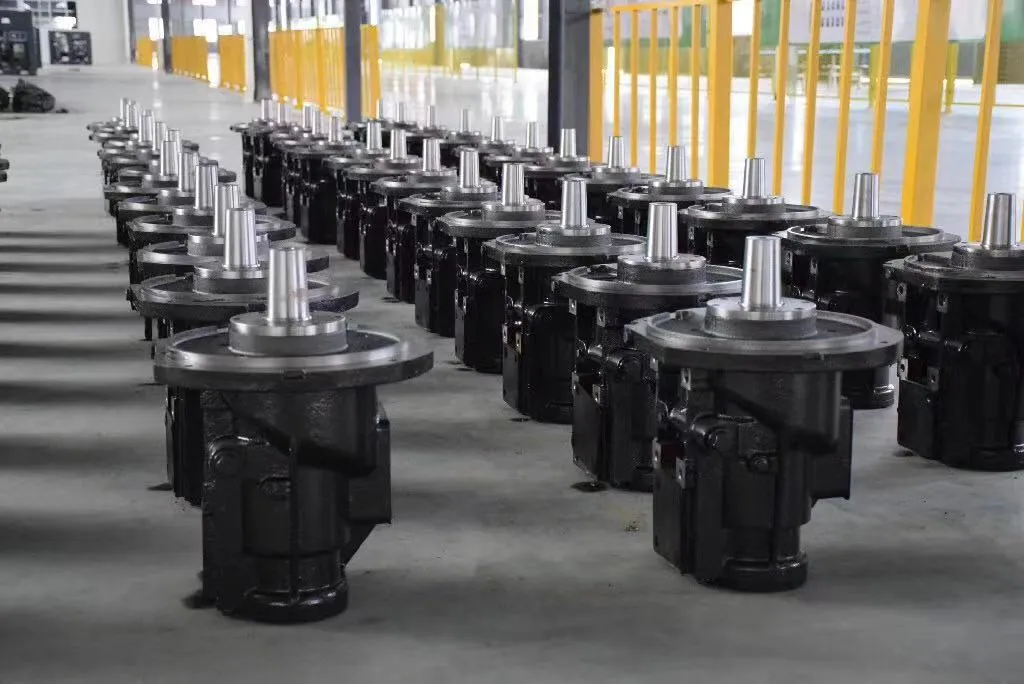
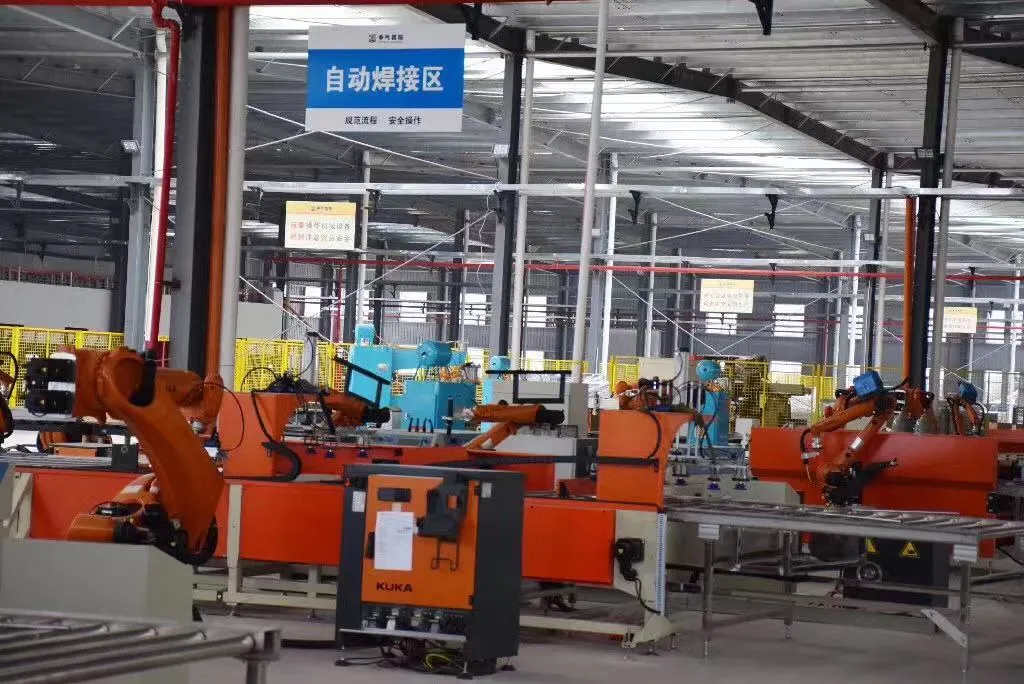
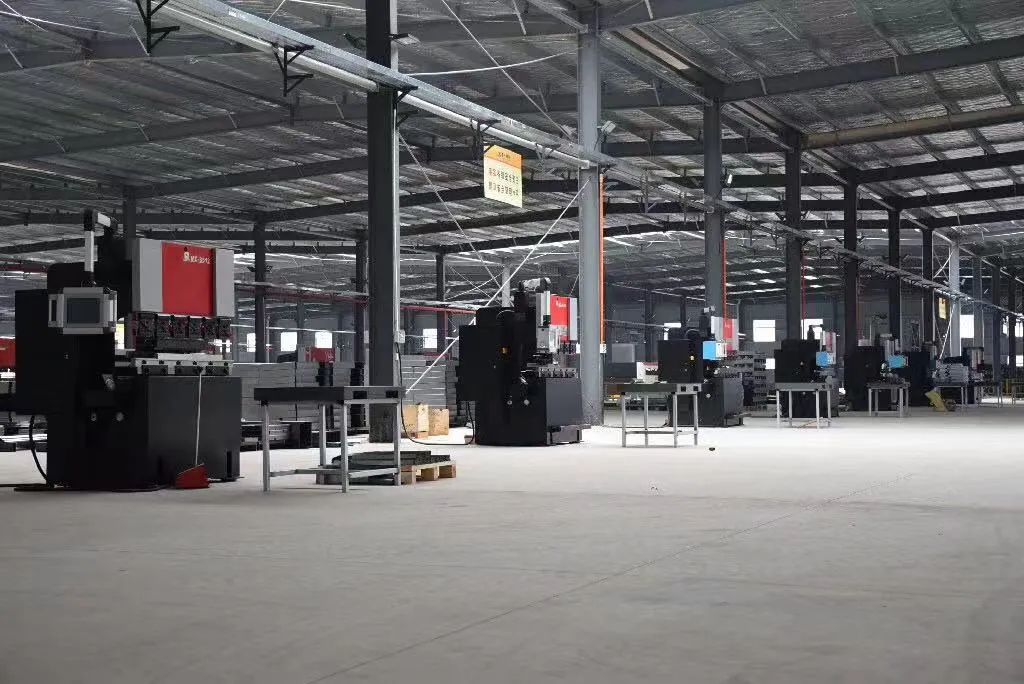
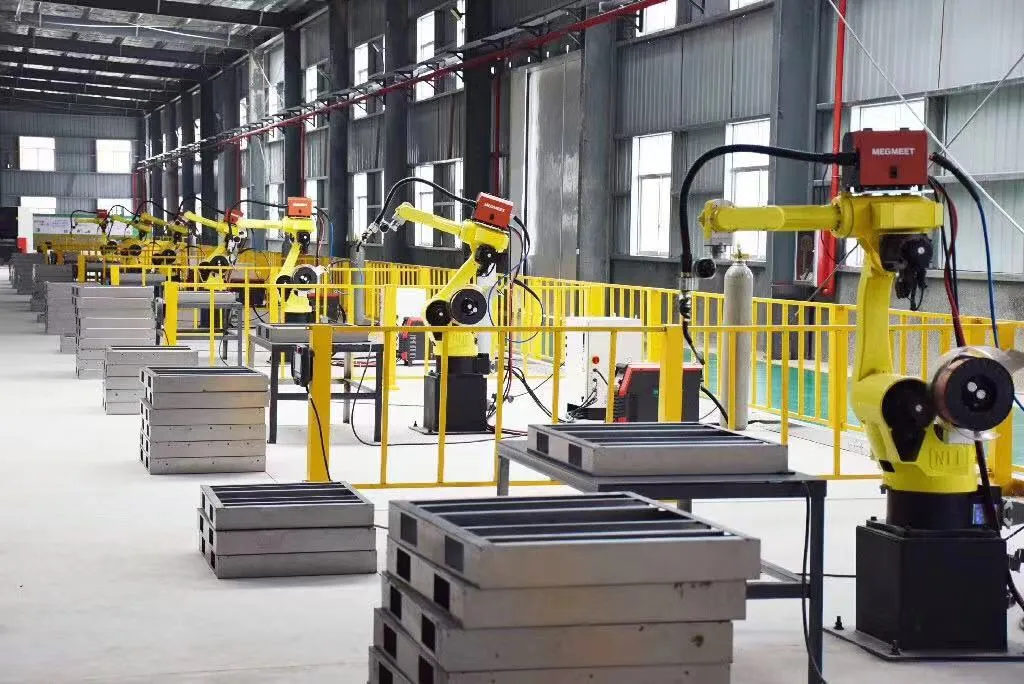
A screw compressor factory video inspection is the cheapest risk audit an importer can run before paying a deposit. A 30-minute live call exposes whether the supplier controls production or simply trades machines. If the tour skips the test bench, the…
The Ultimate China PM VSD Screw Compressor Guide (2026)
The Ultimate China PM VSD Screw Compressor Guide (2026) Consider this scenario: A medium-sized manufacturing facility in China was running three aging fixed-speed compressors totaling 220kW, operating 6,000 hours per year. Their annual electricity cost for compressed air alone exceeded ¥680,000….
Industrial Air Compressor Selection Framework for China Buyers | 2026
Industrial Air Compressor Selection Framework for China Buyers | 2026 The screw air compressor market in China offers a diverse range of technologies, from fixed-speed oil-injected units to variable frequency drive (VFD) permanent magnet models and two-stage compression systems. Each technology…
Screw Air Compressor Manufacturer Audit Checklist for Importers
The expensive mistake is auditing the price sheet instead of the factory. A rotary screw air compressor that runs 5% less efficiently can quietly erase the purchase discount. Panrui’s own energy-savings training makes the point bluntly: a compressor that is free…
How to Compare Screw Air Compressor Quotations Like a Pro
A screw air compressor quotation comparison that stops at the machine price is the most expensive way to buy. Buyers spend hours negotiating a discount and miss the number that actually drives cost: specific power. In one Panrui retrofit calculation, the…
How to Read a Screw Compressor CAGI Data Sheet
A compressor that looks identical on a quotation can still cost a plant 15% more for every cubic meter of air it makes. Before you approve a purchase, learn to read a screw compressor CAGI data sheet so you compare tested…